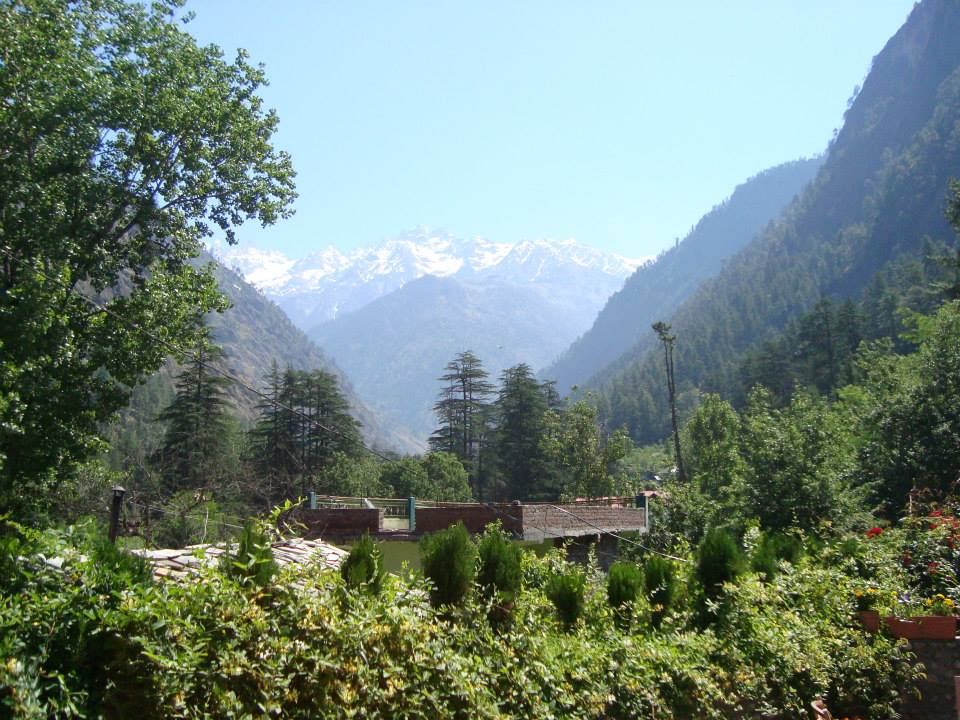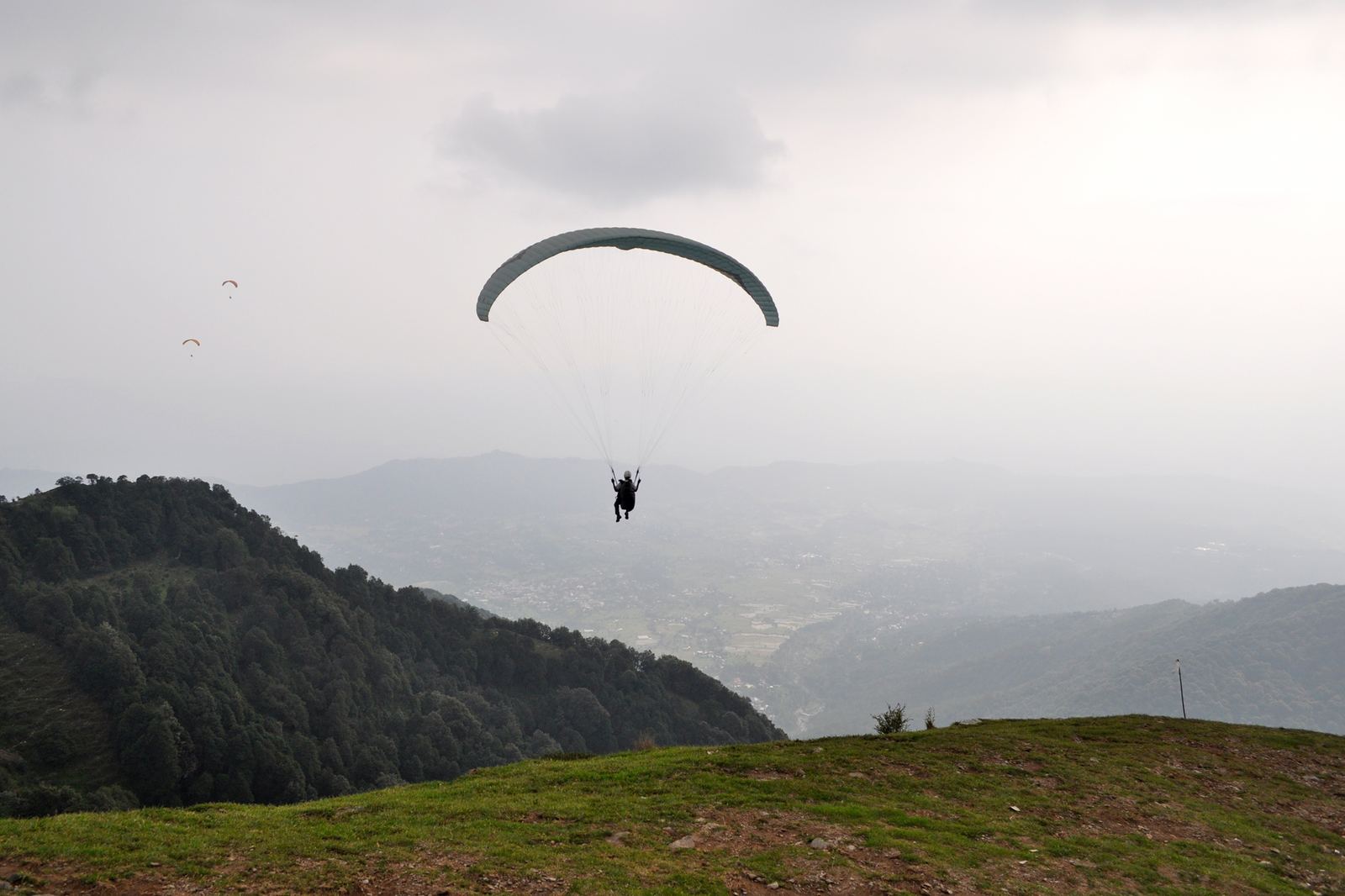
Every July, the same scene repeats in Manali. Travellers arrive with a mountain itinerary, the monsoon arrives with its own plans, and the Mall Road fills with people refreshing weather apps. What many of them do not realise is that the escape route is about an hour away, and it runs straight through a mountain.
The Atal Tunnel cuts under the Rohtang range and drops you into Lahaul, on the other side of the Pir Panjal. Lahaul sits in the rain shadow, which means the clouds that soak Manali often never make it across. It is common to leave a grey, dripping morning in Old Manali and come out of the tunnel into hard sunlight, dry air and a completely different landscape. In monsoon, this single fact makes the Atal Tunnel day trip from Manali one of the most reliable plans in Himachal.
Why the Atal Tunnel day trip works in monsoon
Most Manali day trips lose their point in July. Rohtang viewpoints disappear into mist, Solang feels washed out between showers, and waterfalls that look charming from a distance make the roads below them nervous. We covered the broader picture in our guide to travelling Himachal in the monsoon; the tunnel is the single best answer to it from Manali.
Lahaul behaves differently. The valley beyond the tunnel is drier, the light is sharper, and the mountains stay visible for most of the day. You are not gambling on a gap between showers; you are moving to a different weather system. That said, the rain shadow is a strong probability, not a guarantee. In an unusually heavy spell, Lahaul can catch weather too, so treat a clear-morning forecast as a green light rather than assuming every day works.
The approach road matters more than the destination. The stretch from Manali to the tunnel's south portal passes through terrain that is active in monsoon, and short holds for clearance work are normal in July. This is why the trip should be planned as a full, unhurried day rather than a quick out-and-back squeezed between other plans.
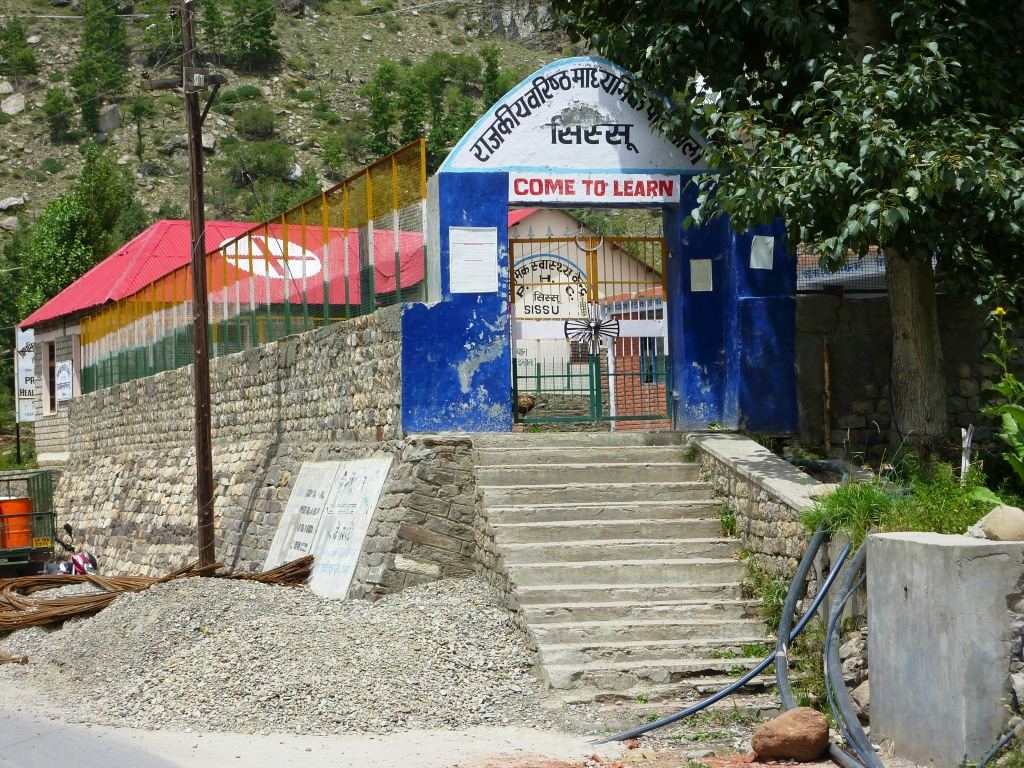 Photo: Wikipedia/Wikimedia contributors · source
The route: Manali to Sissu and beyond
The basic shape of the day is simple. If you are still working out how to reach Manali itself, our Chandigarh to Manali shared cab guide covers that leg. From Manali, the road climbs towards the south portal of the tunnel, roughly a 45-minute to one-hour drive depending on traffic and season. The tunnel itself takes about ten to fifteen minutes to cross. On the northern side you emerge near Teling, with the Chandra river below and the villages of Lahaul spread along the valley.
Sissu is the natural anchor for a first visit. It is close to the north portal, sits by the river, and gives you the classic Lahaul frame: bare slopes, glacial water, poplar trees and a waterfall dropping down the far wall of the valley. The lake and open ground near the helipad are easy walking, which suits a day trip with mixed energy levels in the group.
If the day is going well and the group has appetite for more, Keylong extends the trip deeper into Lahaul, and Koksar offers a shorter stop closer to the tunnel. What we would not recommend in monsoon is pushing towards Chandratal or the Batal side. That road answers to its own rules, changes condition quickly, and deserves a dedicated plan in a suitable vehicle, not an add-on to a day trip — if that side of the mountains is calling, start with our Spiti road trip planning guide.
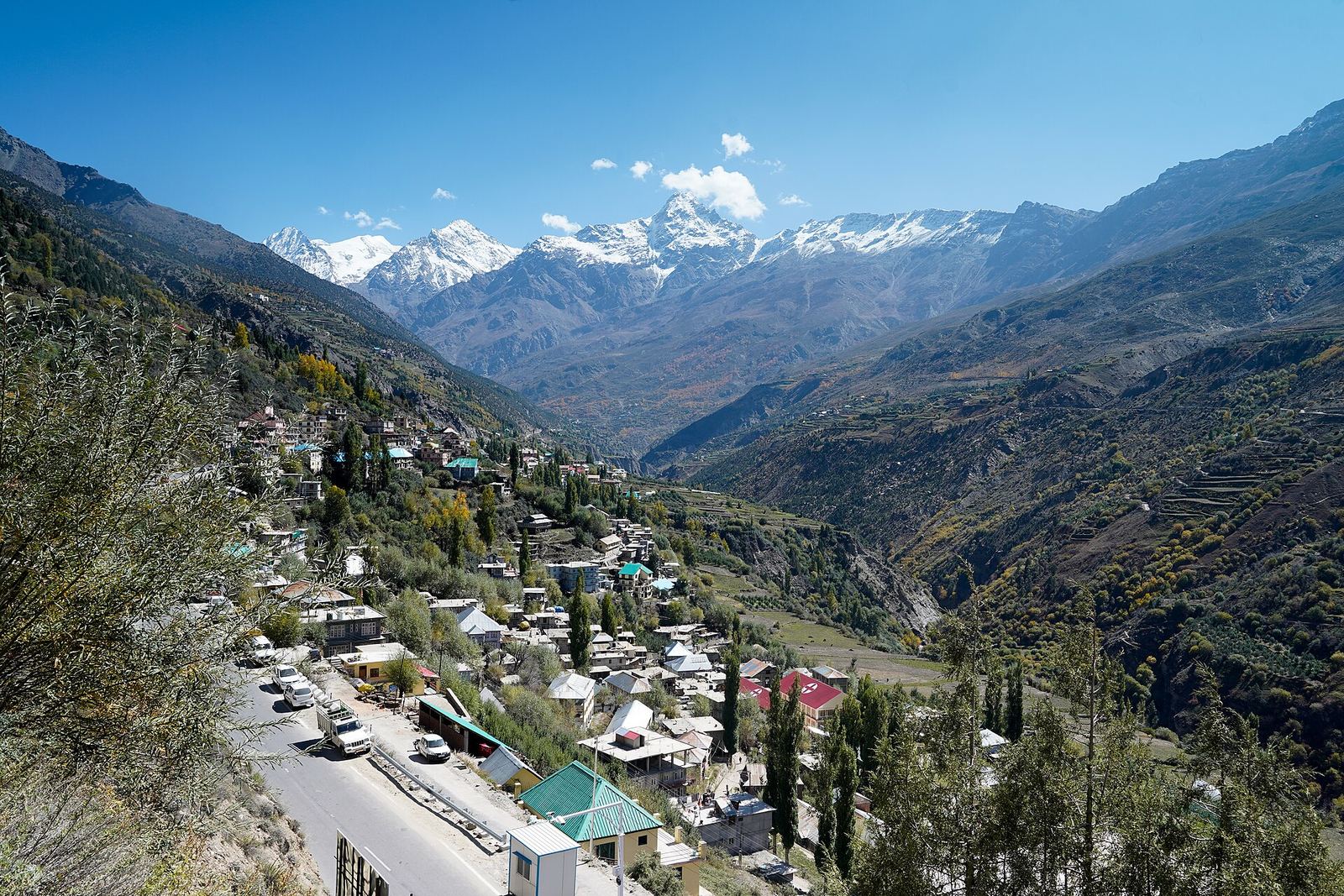 Photo: Wikipedia/Wikimedia contributors · source
Timing the day properly
Leave early. This is the single biggest factor in how the day feels. An 07:00 to 08:00 departure from Manali gets you through the tunnel before day-tripper traffic builds, gives you the best light in Sissu, and leaves a wide buffer for the return leg.
The buffer is not optional in July. If a slope sheds debris on the approach road in the afternoon, traffic holds while machines clear it. With an early start, a hold is an inconvenience. With a late start, it can push your return into the evening, and mountain roads in rain are not where you want to be discovering that.
Plan to start back from Sissu by mid-afternoon. That usually means around 15:00, earlier if the weather on the Manali side looked unsettled in the morning. The tunnel does not care about weather, but the roads on either side of it do.
What the trip actually costs, and how to arrange the cab
Self-driving through the tunnel in monsoon is legal and common, but it asks a lot of a visiting driver: wet approach roads, tunnel discipline, and judgment calls about afternoon conditions that locals make on instinct. For most travellers, a reserved cab with a driver who runs this route regularly is the calmer choice.
The trip prices as a full-day return from Manali, and the honest way to think about it is hours, not kilometres. The driving distance to Sissu is modest, but the day includes waiting time at stops, flexibility on how far into Lahaul you go, and the return. This is exactly the shape of trip that hourly and full-day rentals were designed for, and it is how Himsafar structures it: one driver, one vehicle for the day, and a plan that can stretch to Keylong or shrink to Sissu depending on how the valley looks when you get there. You can see how booking works on the how it works page, or browse available rides directly.
Two practical notes. First, confirm with your driver the night before, and let them make the morning call on timing; they will know whether the approach road had trouble overnight. Second, carry warm layers even in July. Lahaul is high, the wind off the river is cold, and the temperature difference from Manali surprises people every single day of the season.
Small things that improve the day
Carry cash for small purchases in Sissu; connectivity in Lahaul is patchy and card machines are not a given. Eat a proper breakfast before leaving Manali, then treat food in Lahaul as a bonus rather than a plan. Fuel up in Manali if self-driving. And keep photography expectations flexible: the famous Sissu waterfall is at full force in summer, but the best pictures of the day are often just the valley itself, shot from wherever you happen to stop.
If your Manali dates have landed in the middle of the monsoon, do not fight the weather on the Kullu side. Go under the mountain instead. The tunnel takes fifteen minutes. The change it buys you lasts the whole day.
Why this matters
This guide is part of the demand map we are building for Himachal. If the route, activity or idea matters to you, joining the waitlist tells us to prioritize it.
What to do next
Open the related destination or service, preview the travel flow, and support the specific corridor instead of signing up generically.
Reader signal
Reading about Atal Tunnel helps us understand content demand. Waitlist joins help us understand launch demand.
Want this to become a real Himsafar route?
We are using the website to learn what people actually want us to build. Join the waitlist to show support for this kind of Himachal travel and get first access when matching routes open.
Himsafar Editorial
Destination guides