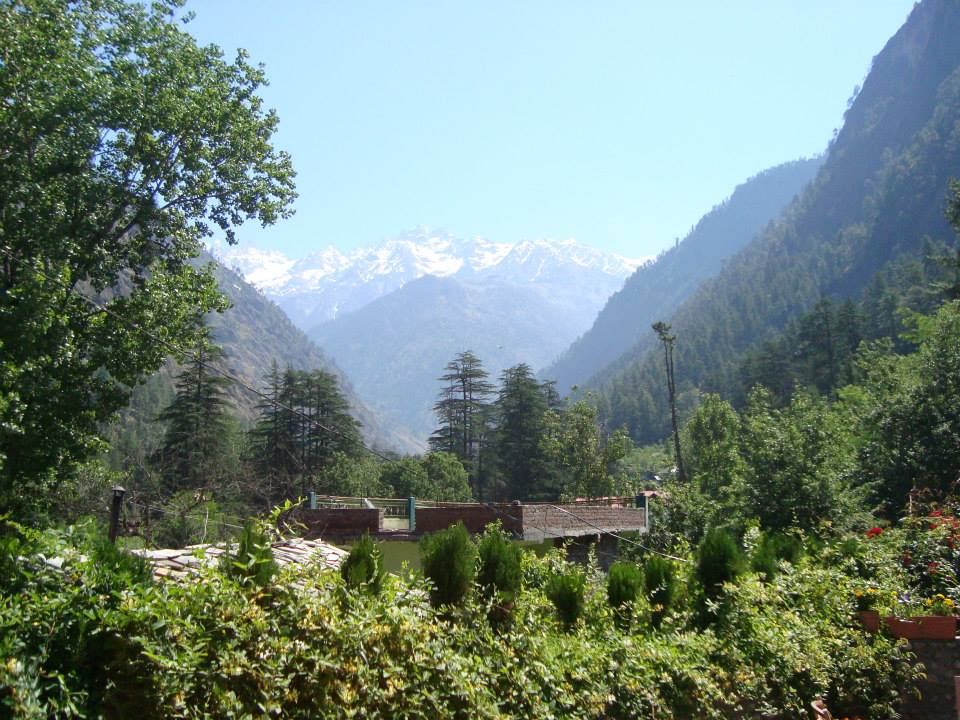
Monsoon Himachal is lush, dramatic and often cheaper than peak summer. It is also the season when travellers need to stop copying dry-weather itineraries.
The first rule is daylight. If a route is unfamiliar, finish the mountain section before dark. Rain changes visibility, road edges, landslide risk and driver fatigue. A late-night arrival may look efficient on paper and feel terrible on the road.
The second rule is buffer time. A route that normally takes three hours can stretch when traffic is held, debris is cleared or local advisories change. Build the buffer before you book stays, not after a delay begins.
The third rule is pickup clarity. In rain, a driver cannot always stop exactly where a pin is dropped. Choose practical stands, hotel gates that are reachable, or known landmarks. A five-minute walk to a safer pickup point can be better than forcing a vehicle into a narrow lane.
Himsafar’s waitlist testing should be especially useful in monsoon because demand patterns become more cautious. Riders want known drivers, clear fares and routes that are actually operating, not a fantasy of instant availability everywhere.
Travel in the rain if you love the mountains in their green mood. Just give the road the respect it is asking for.
A monsoon decision rule
Ask three questions before committing to a route: can the main mountain section finish in daylight, is there a safe buffer if the road is held, and does the destination still make sense if visibility is poor? If any answer is weak, slow the plan down.
Waterfalls, tea gardens and valley views can be beautiful in monsoon, but high passes, landslide-prone stretches and late-night transfers deserve caution. The goal is not to cancel every rain-season trip. The goal is to stop treating monsoon like a normal summer schedule with an umbrella.
What to tell your driver or waitlist
Mention luggage, elderly travellers, children, hotel approach roads and whether you can accept a safer nearby pickup point. In rain, this information matters more than usual. A driver who knows you have three suitcases and a narrow upper-road stay can choose a better handoff plan.
What Himsafar should show clearly
Every monsoon route should show live weather, route status, expected delay risk and whether the route is in pilot mode or waitlist mode. If a road is uncertain, the product should say so plainly. Trust in the hills is built by refusing to overpromise.
Why this matters
This guide is part of the demand map we are building for Himachal. If the route, activity or idea matters to you, joining the waitlist tells us to prioritize it.
What to do next
Open the related destination or service, preview the travel flow, and support the specific corridor instead of signing up generically.
Reader signal
Reading about Monsoon helps us understand content demand. Waitlist joins help us understand launch demand.
Want this to become a real Himsafar route?
We are using the website to learn what people actually want us to build. Join the waitlist to show support for this kind of Himachal travel and get first access when matching routes open.
Himsafar Editorial
Travel safety