
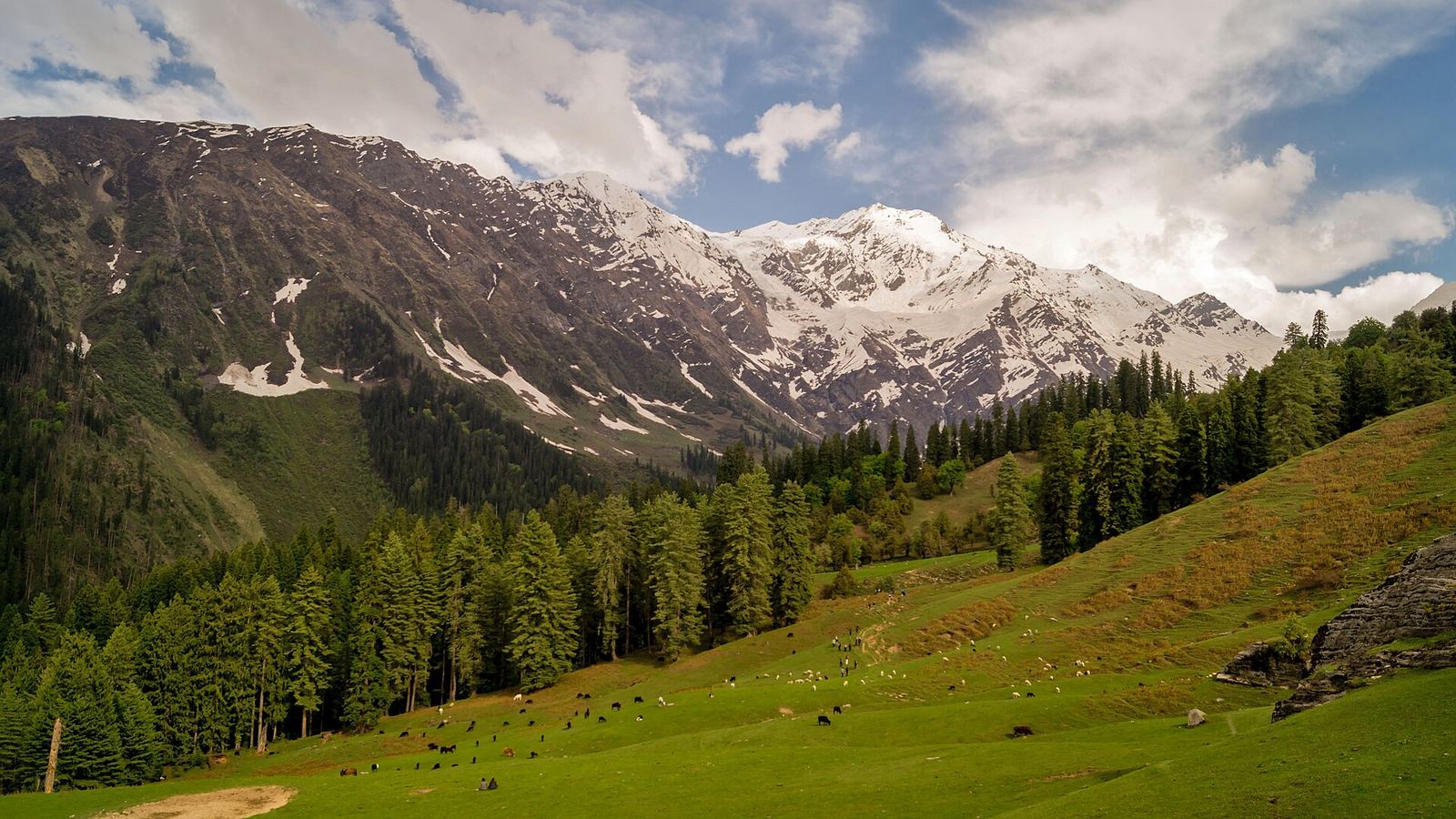
Great Himalayan National Park
UNESCO-listed wilderness above the Tirthan and Sainj valleys
A high-biodiversity protected landscape in Kullu district with multi-day treks, alpine meadows and strict ecozone rules. Entry works best with registered guides and enough buffer time.
If you want Himsafar to support Great Himalayan National Park, joining the waitlist is the strongest signal. It helps us prioritize local driver onboarding, pickup points, activity sellers, hosts and route pricing for this specific place.
Known for
Travel
Getting to and around Great Himalayan National Park
Nothing is bookable yet. Picking a service tells us which mobility mode to open first for Great Himalayan National Park and which drivers to onboard for it.
Quick ride
In-station hops inside hill towns
Shared routes
Out-station seats — near-bus pricing
Hourly rentals
Go anywhere, 4–12 hours
Bike taxi
Rapido-style, beat the traffic
Luggage assist
Porter-style parcel & luggage
Things to do
Activities across Himachal
Nothing is listed in Great Himalayan National Park yet. These are popular activities elsewhere in Himachal — joining the waitlist from this page is what gets local sellers onboarded here.
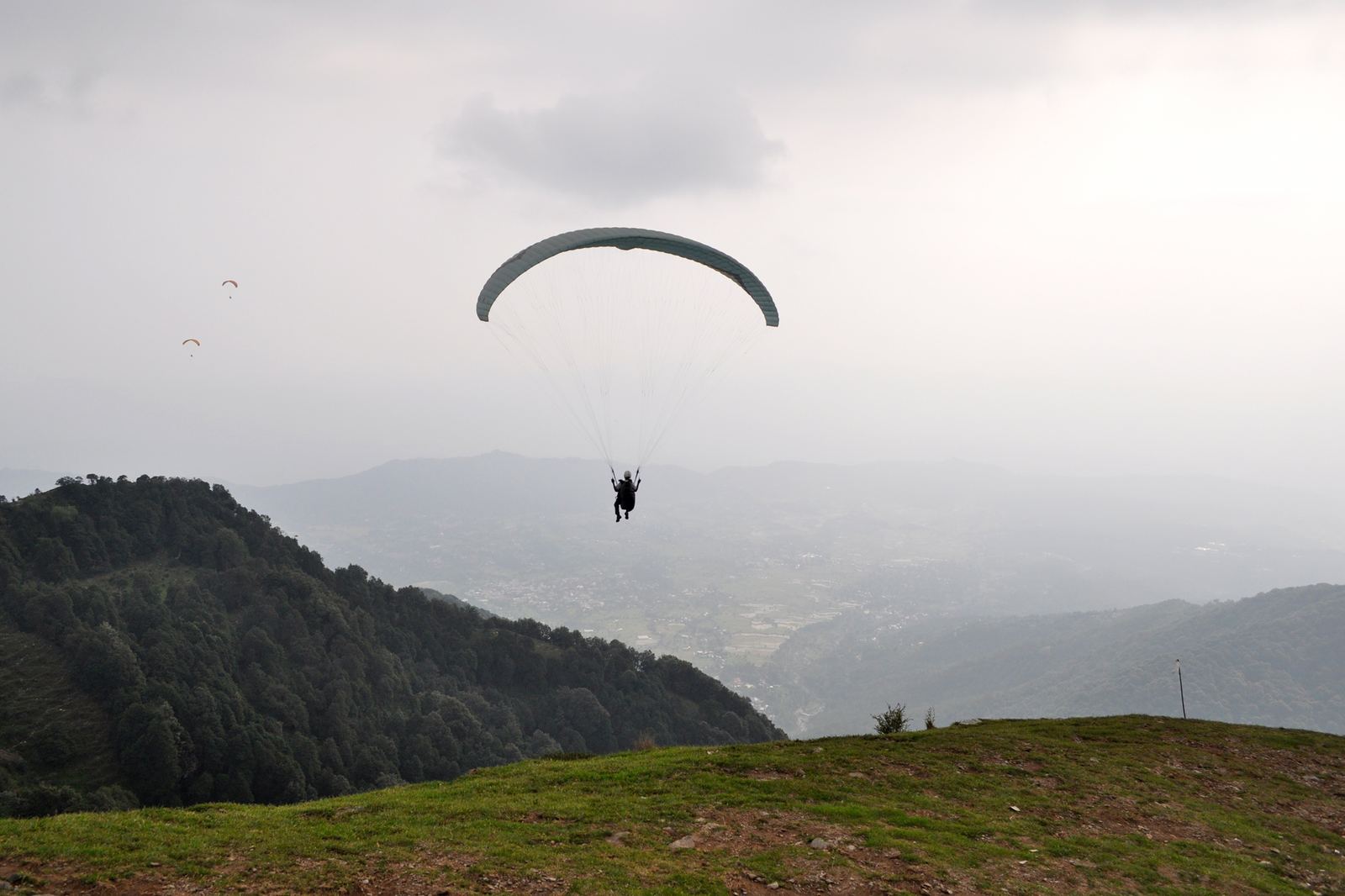
Paragliding · Billing → Bir
Bir Billing · 15–30 min flight · pilot-certified
from ₹2,500
Details
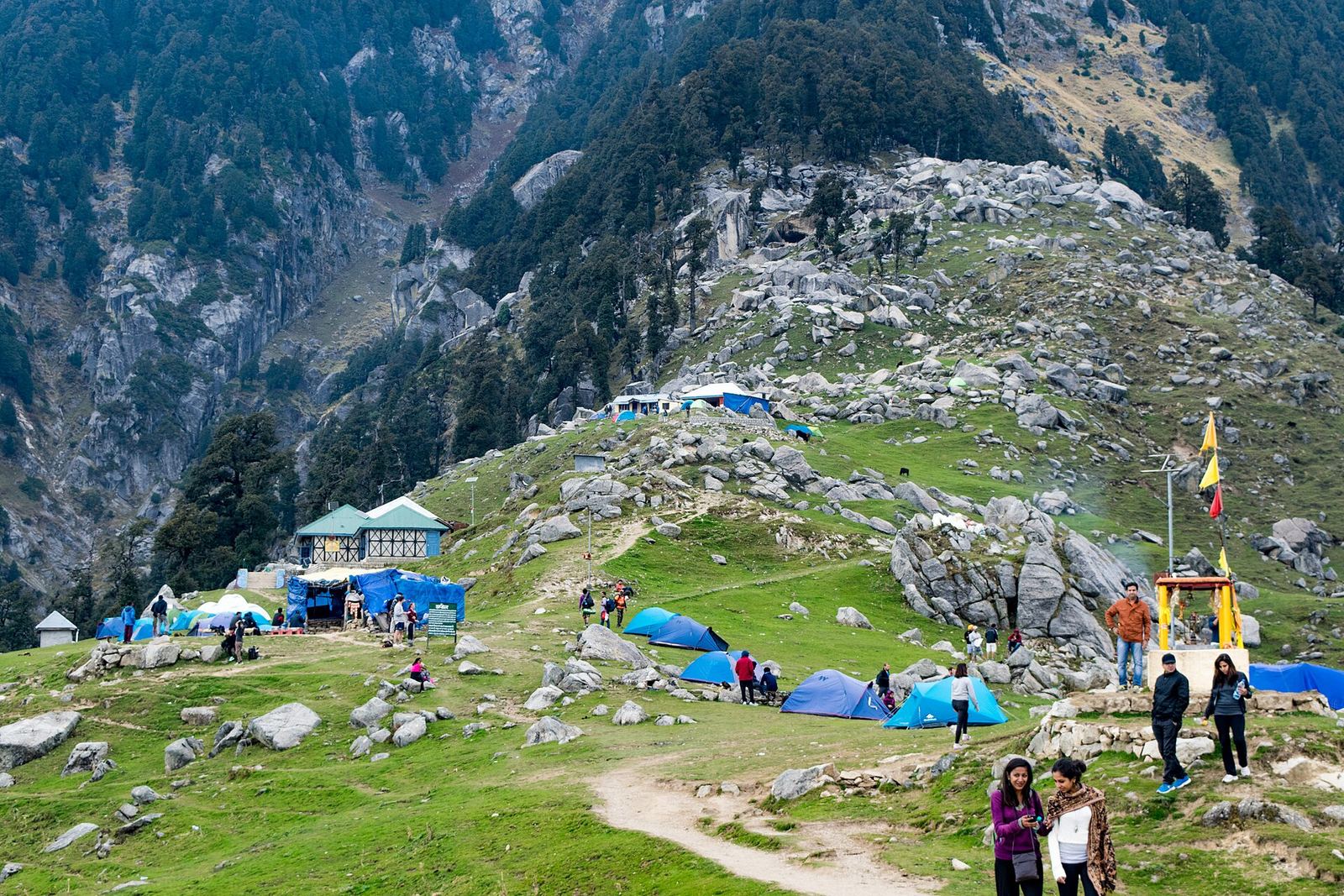
Triund day trek
McLeod Ganj · 6–7 hr guided trek
from ₹1,200
Details
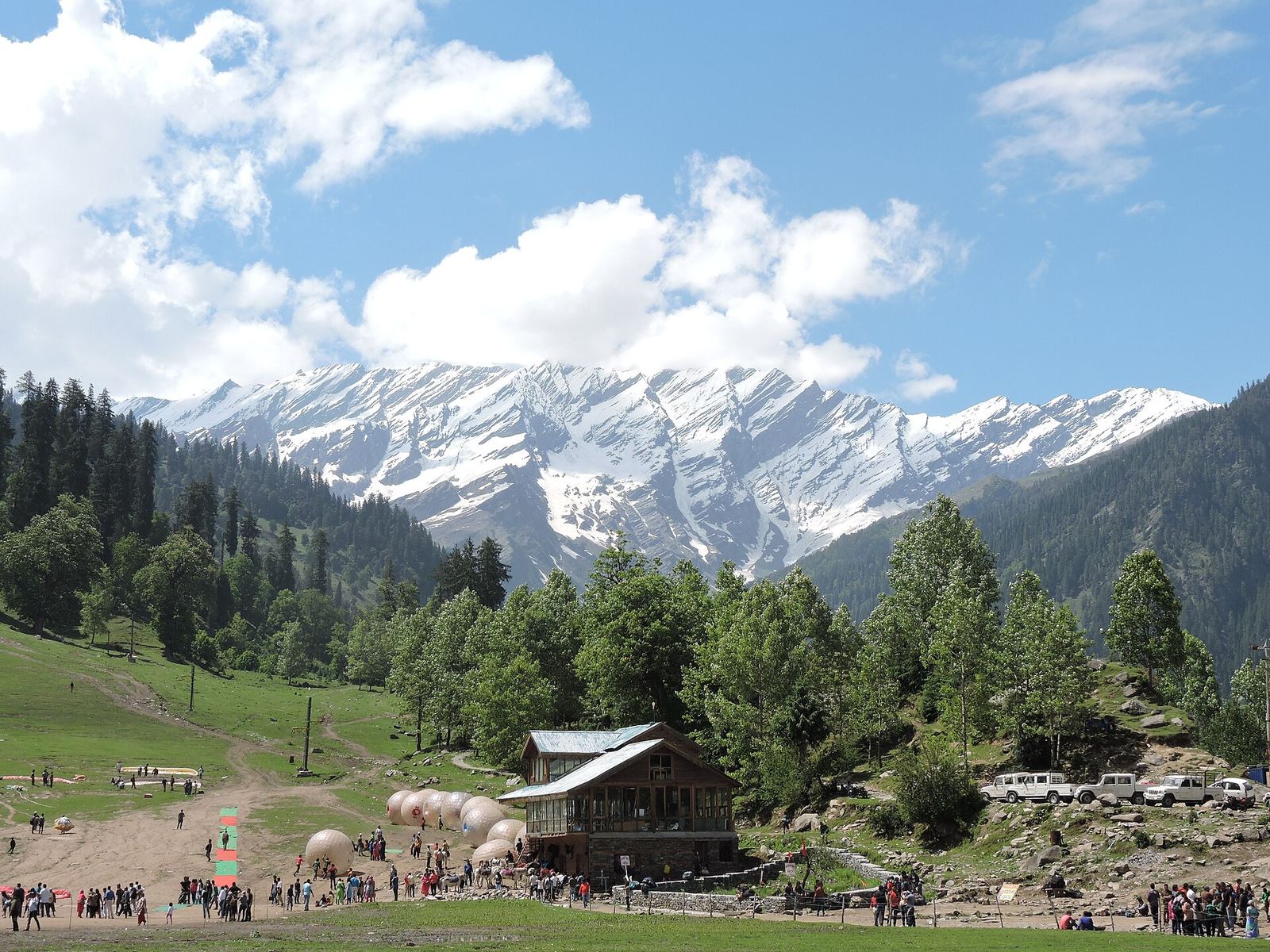
River crossing & rappelling
Kangra · Half-day · gear included
from ₹900
Details
Experiences
Culture and slow travel across Himachal
No local hosts are listed in Great Himalayan National Park yet. These are experiences running elsewhere in the state.
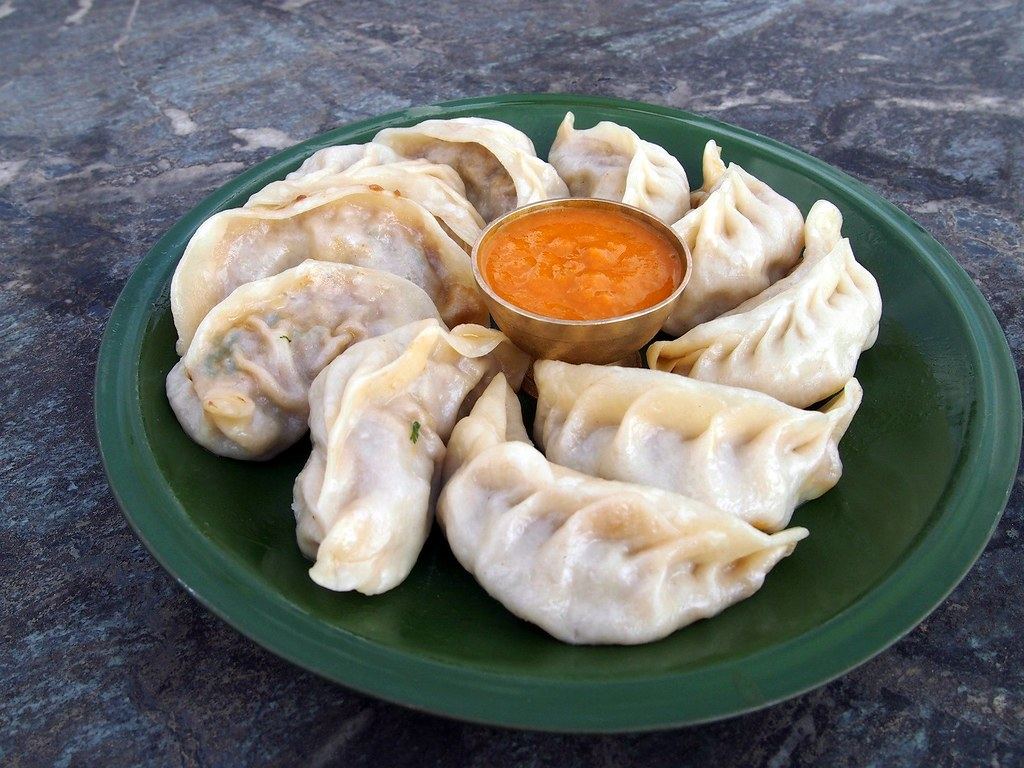
Tibetan momo cooking class
McLeod Ganj · 3 hr · eat what you make
from ₹800
Details
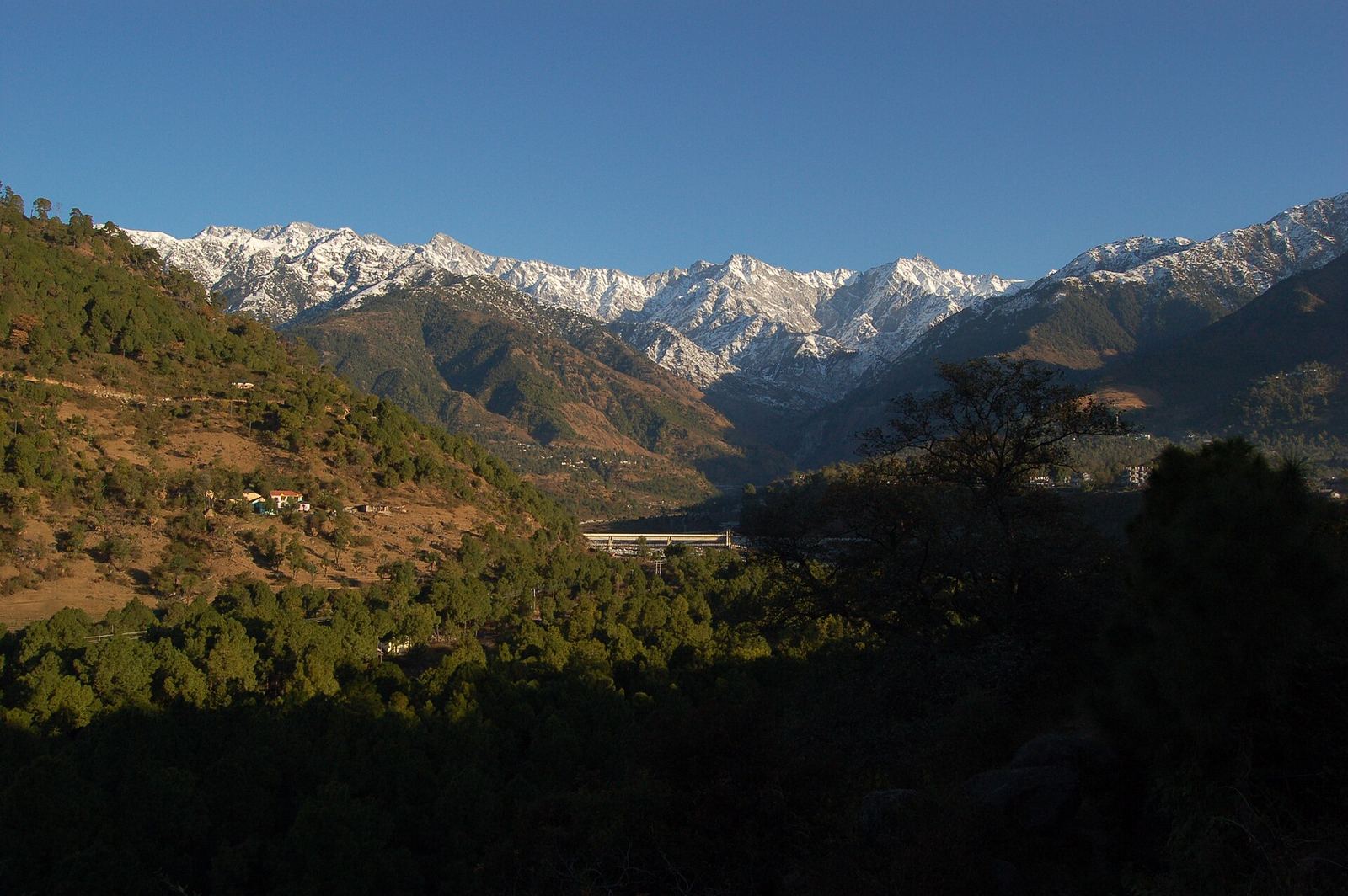
Tea-estate walk & tasting
Palampur · 2 hr · guided estate
from ₹600
Details
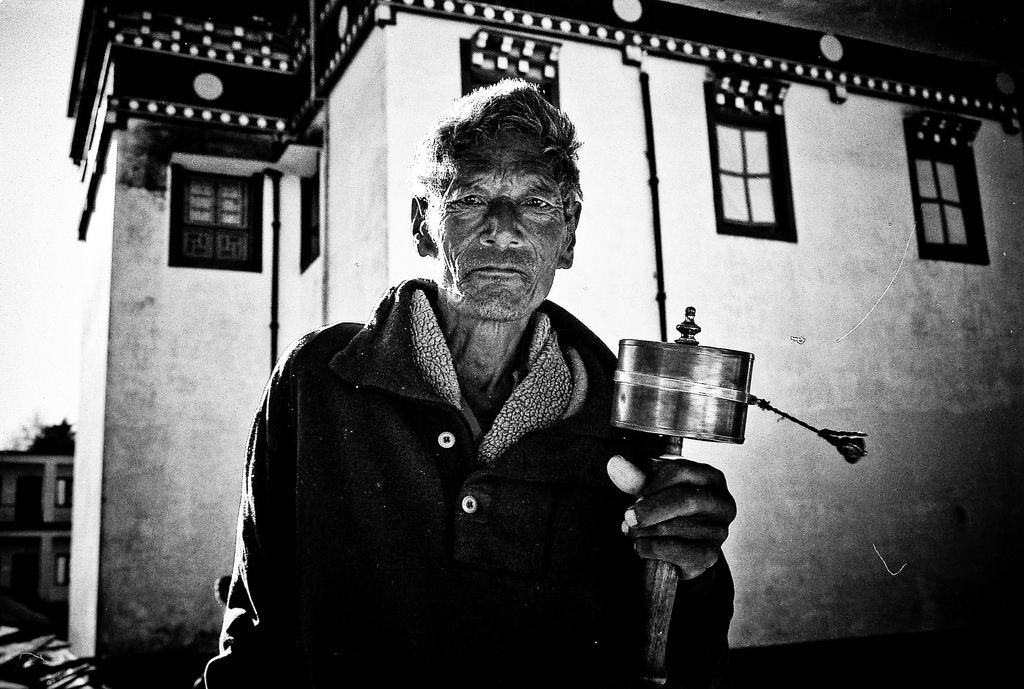
Monastery morning & meditation
Bir · Sunrise · 2 hr
from ₹500
Details
Yearly weather
When Great Himalayan National Park feels easiest, safest and most rewarding
Dec–Feb
4° to 18°C
Cool and mostly accessible; fog can affect plains-side arrivals.
Mar–Jun
16° to 34°C
Warm lower hills; early starts help with sightseeing comfort.
Jul–Sep
20° to 30°C
Humid/rainy periods; road buffers matter more than distance.
Oct–Nov
12° to 26°C
Clearer weather and good family travel conditions.
How to reach
Access and transfer notes
Bhuntar Airport, Chandigarh and Manali-side road access are the practical gateways.
Most trips work best with a known pickup stand or hotel approach point rather than a vague map pin.
For waitlist testing, tell us if you need a private cab, shared seat, day rental or local hop for Great Himalayan National Park.
Suggested flow
A slower, better itinerary
- 1Day 1: arrive, settle near the main stay cluster, and keep the first plan light so the road day does not eat into the experience.
- 2Day 2: build the day around UNESCO World Heritage and Guided treks, then add a food, cafe, temple, market or sunset stop nearby.
- 3If you have another day, connect Great Himalayan National Park with a nearby Himsafar destination instead of rushing a long transfer after dark.
Local notes
Before you commit
More in the valley
Himachal ka Humsafar
We are building this for travellers and local sellers.
Customer signups prove demand. Seller signups prove supply: taxis, bike taxis, parcel trucks, events, experiences, homestays, trips and packages.