Delhi to Bir Billing is roughly 500–520 km and takes about 11–13 hours by road. The most practical options are an overnight HRTC or private bus from ISBT Kashmiri Gate to Bir or Baijnath, a flight to Gaggal (Kangra) Airport followed by a 65–70 km cab transfer, or a private taxi for groups. There is no direct broad-gauge train to Bir.
With the paragliding season typically restarting after the monsoon, from late September into October, August and early September are exactly when most travellers plan this trip. Here is how each option actually works, what it costs approximately, and which one suits your travel style.
Quick facts
- Distance: approximately 500–520 km from Delhi to Bir by road
- Road time: typically 11–13 hours, longer in monsoon or holiday traffic
- Overnight bus: HRTC and private buses from ISBT Kashmiri Gate towards Bir and Baijnath; fares typically start around ₹700–850 for ordinary and semi-deluxe services, more for AC and Volvo
- Nearest airport: Gaggal (Kangra/Dharamshala) Airport, about 65–70 km from Bir
- Nearest railheads: Pathankot (broad gauge), then the narrow-gauge Kangra Valley line towards Baijnath Paprola and Ahju
- Best months to arrive: late September to November, and March to June, for flying weather
Which option should you choose?
The honest answer depends on your group size and tolerance for road hours.
Solo travellers and couples on a budget should take the overnight bus. It is the only option that goes almost door to door, leaving Delhi in the evening and arriving in the Bir–Baijnath area early the next morning — well timed for a first day of café-hopping or a monastery walk before an early-morning flight the next day.
Travellers short on time should fly to Gaggal and take a cab onward. The flight saves an entire night of road travel, and the transfer through the Kangra valley is one of the prettier drives in Himachal.
Groups of three or four can make a private taxi work. Split four ways, a full cab costs less per head than four flight tickets, and you control the stops.
Railway romantics finally have their option back: the Kangra Valley narrow-gauge line resumed service in June 2026 after nearly four years, and it passes close to Bir. It is slow, but it is one of India's great heritage journeys.
How does the overnight bus from Delhi work?
HRTC and private operators run buses from Delhi ISBT Kashmiri Gate towards Baijnath, with several services daily; some route via or terminate near Bir. Departures cluster in the evening, typically between 16:00 and 22:00, and the journey takes approximately 11–13 hours. Ordinary and semi-deluxe fares typically start around ₹700–850, with AC and Volvo services costing more; check the official HRTC booking portal or aggregator apps for live timings and fares.
If your bus terminates at Baijnath, Bir is a short onward hop of roughly 10–12 km by local bus or cab. The maths of seat-versus-bus comfort on long Himachal routes is covered in our guide to shared seats versus the HRTC bus — the short version is that a bus is unbeatable on price, but an overnight seated journey before an adventure activity is worth thinking twice about if you sleep poorly on buses.
Is flying to Gaggal Airport worth it?
For anyone short on leave days, yes. Kangra Airport at Gaggal — often listed as Dharamshala Airport — has direct flights from Delhi, and the airport sits about 65–70 km from Bir. The onward cab ride takes approximately 2 to 2.5 hours through Palampur's tea country.
Two cautions. First, Gaggal is a small hill airport and flights are weather-sensitive, particularly in monsoon; morning departures are more reliable. Second, arrange your onward transfer thinking before you land rather than bargaining outside arrivals — our Gaggal Airport transfer guide explains the routes, sensible fare expectations and why a preset fare beats negotiation after a flight.
Can you take a train to Bir?
Not directly, but the rail option is more interesting in 2026 than it has been for years. The nearest broad-gauge station is Pathankot, an overnight journey from Delhi. From Pathankot, the 1929-built Kangra Valley narrow-gauge railway resumed services in June 2026 after the Chakki bridge collapse suspended it for nearly four years. Trains now run daily towards Baijnath Paprola and Jogindernagar, with stations at Ahju and Bir Road sitting within a few kilometres of Bir itself.
Be realistic about it: the narrow-gauge line is slow, fares are heavily subsidised but schedules are limited, and monsoon landslides can suspend sections at short notice — check the current status before building your plan around it. Treat it as a heritage experience for the Pathankot–Kangra valley leg, not a fast transfer. Most travellers arriving at Pathankot simply take a cab or bus onward, roughly 110–120 km to Bir.
What does a taxi from Delhi cost?
A full private taxi from Delhi to Bir typically costs approximately ₹9,000–12,000 depending on vehicle type, season and operator — these are indicative figures, so confirm before booking. The drive follows broadly the same corridor as the Dharamshala run, which we break down in detail in our Delhi to Dharamshala travel guide; from the Kangra side, Bir adds about an hour beyond the Dharamshala turn-off via Palampur.
A taxi makes most sense for groups with luggage or paragliding gear, families with elderly travellers, or anyone planning stops at Palampur's tea gardens or the Baijnath temple en route. Leave Delhi before dawn so the hill section is done in daylight, especially between July and September when rain slows the Kangra valley roads.

Timing your trip around the flying season
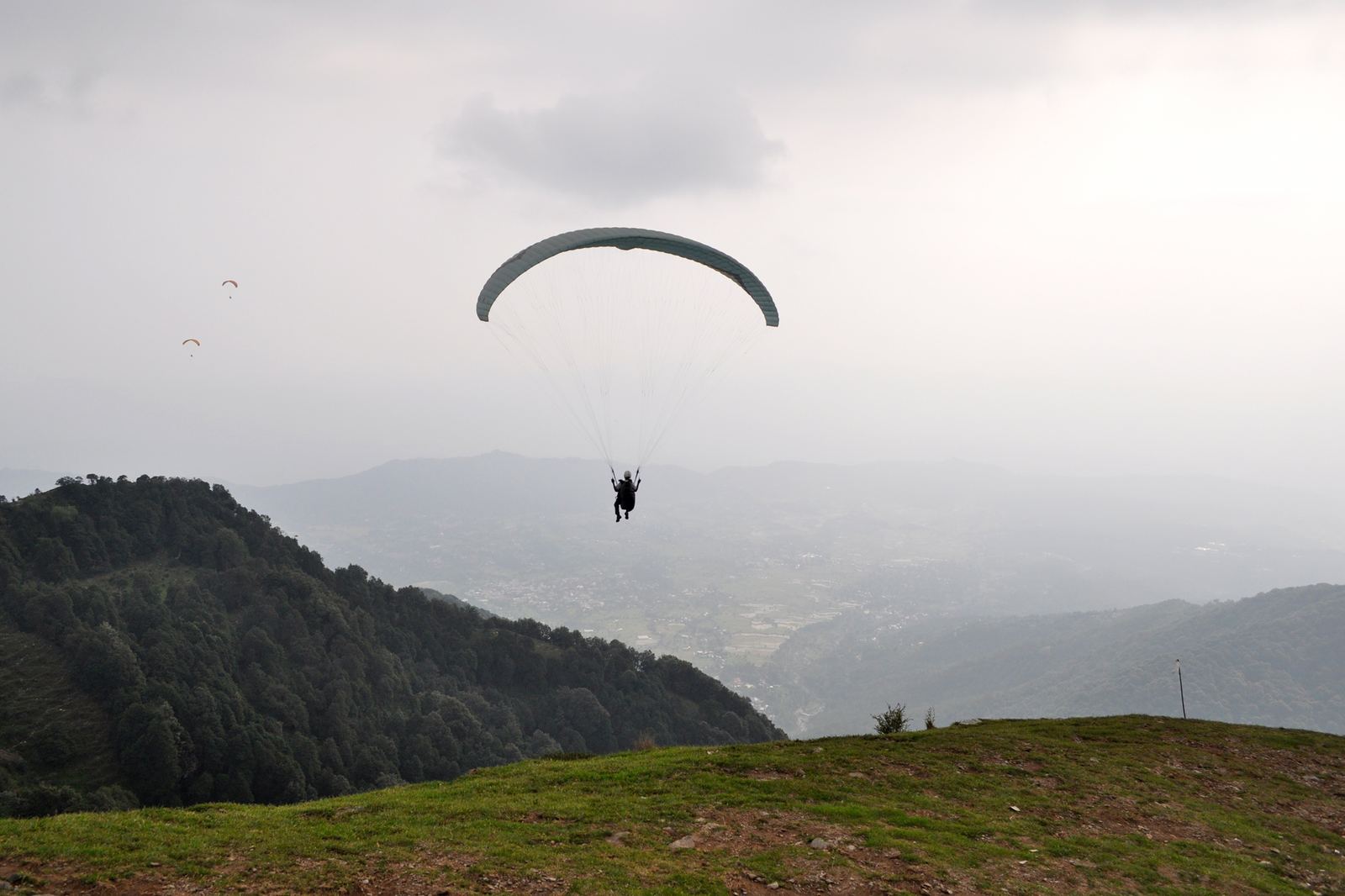
Arriving in Bir is only half the plan; the other half is arriving when flights actually happen. Tandem paragliding at Billing is generally suspended during the monsoon and typically resumes from late September or October, when post-monsoon skies give the clearest Dhauladhar views of the year. If flying is the main reason for your trip, aim for October–November or March–June, and read our first flight at Bir Billing guide and the paragliding safety checklist before you book a pilot.
Even outside the flying season, Bir Billing rewards a slower visit — monastery mornings, Landing Zone cafés and short forest walks fill a weekend easily.
Frequently asked questions
How far is Bir Billing from Delhi? Approximately 500–520 km by road, depending on the route taken through Punjab and the Kangra valley. Budget 11–13 hours of driving, more in monsoon or festival traffic.
Is there a direct bus from Delhi to Bir? HRTC and private operators run overnight services from ISBT Kashmiri Gate towards Baijnath and Bir. If your service terminates at Baijnath, Bir is a short 10–12 km hop by local bus or cab.
Which is the nearest airport to Bir Billing? Gaggal (Kangra/Dharamshala) Airport, about 65–70 km away — roughly 2 to 2.5 hours by cab through Palampur.
Can I reach Bir by train? Not directly. Take a broad-gauge train to Pathankot, then either the resumed Kangra Valley narrow-gauge line towards Ahju/Baijnath Paprola or a cab for the roughly 110–120 km road leg. Check the narrow-gauge line's running status before travelling, especially in monsoon.
When should I visit Bir Billing for paragliding? Flying typically resumes after the monsoon, from late September or October, and October–November offers the clearest skies. March to June is the other reliable window.
The practical recommendation
If you are travelling solo or as a couple, take the overnight bus and keep the trip cheap. If you have only a weekend, fly to Gaggal and pre-plan the cab leg. If you are three or more, a private taxi from Delhi splits into reasonable money and buys flexibility. Whichever way you arrive, plan the Bir end of the journey — the last-mile hop from Baijnath, the airport transfer, the Billing take-off climb — with the same care as the Delhi end. That last stretch is what HimSafar is being built for: preset, fair-fare cab connections on exactly these Kangra valley legs. If that would make your Bir trip easier, join the waitlist before launch.
Why this matters
This guide is part of the demand map we are building for Himachal. If the route, activity or idea matters to you, joining the waitlist tells us to prioritize it.
What to do next
Open the related destination or service, preview the travel flow, and support the specific corridor instead of signing up generically.
Reader signal
Reading about Routes helps us understand content demand. Waitlist joins help us understand launch demand.
Want this to become a real Himsafar route?
We are using the website to learn what people actually want us to build. Join the waitlist to show support for this kind of Himachal travel and get first access when matching routes open.
HimSafar Editorial
Destination guides