The Himachali cap, or topi, is a round, flat-topped hill cap, usually made of wool or velvet, with a coloured woven band. Historically tied to Kinnaur and the old Bushahr kingdom, it is now worn across Himachal at festivals, weddings and fairs. It stands for pride, belonging and respect, and is a popular gift.
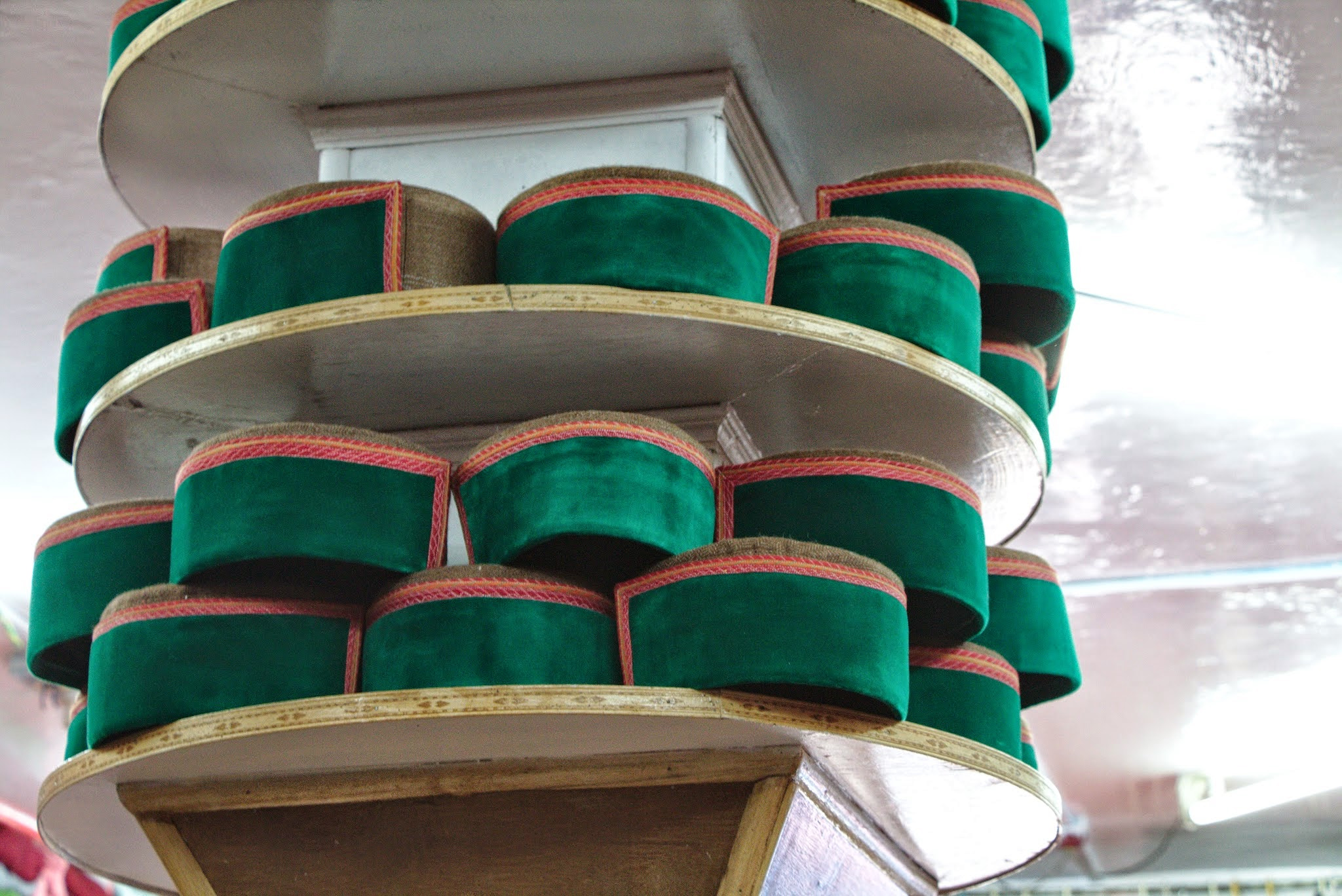
Photo: “Himachali Caps” by Ravi Kumar, via Wikimedia Commons, licensed CC BY 3.0. Original photograph, unchanged.
Quick facts
- What it is: a round or boat-shaped cap with a flat top and a decorative band (patti).
- Made of: mostly wool; some styles, such as Bushahri, use velvet.
- Best known styles: Kinnauri (green band), Bushahri (maroon band) and Kullu (multicoloured band).
- Worn at: festivals, weddings, religious functions and everyday life, especially among elders.
- Typical price: one seller blog quotes ₹300–₹1,500; treat that as a rough estimate.
- GI status: no cap is registered on its own. The registered Himachal products include the Kullu Shawl and the Kinnauri Shawl.
Where does the Himachali cap come from?
The cap is historically linked to Kinnaur, once part of the Bushahr kingdom, according to Wikipedia's entry on the Himachali cap. From there it spread through Bushahr and Kullu, helped by trade with neighbouring regions, including Tibet.
Early caps were woven from local sheep wool, which suited cold winters. Over time, ruling families adopted it as headgear, and geometric motifs were added for ceremonial dress. Sources differ on exact dates, so treat the history as broad strokes rather than a precise timeline.
What is a Himachali cap made of?
Most authentic caps are wool. Busheri-style caps use velvet. Cheaper imitations often use synthetic fabric that feels rough or plasticky.
A traditional cap is typically made in these steps:
- Wool is cleaned, carded and spun into yarn.
- The yarn is dyed.
- It is handloom-woven into a thick, warm cloth.
- A separate band is woven, often with patterns that vary by district.
- The cloth is stitched into a cylinder with a flat top.
- The band is sewn on.
The Kinnauri and Kullu craft traditions are closely tied to wool weaving. The HIMCOSTE geographical-indications brochure notes that traditional designs on woollen shawls and caps make products "recognizably Kinnauri".
Kinnauri, Bushahri, Kullu: how do the caps differ?
| Style | Typical look | Where it is associated |
|---|---|---|
| Kinnauri | Velvet or wool, deep green band | Kinnaur |
| Bushahri | Rounder, maroon or red band | Rampur-Bushahr area |
| Kullu | Grey or black base, bright geometric band | Kullu valley |
| Chamba and Gaddi | Muted tones, often embroidery or patti cloth | Chamba |
Sources describe the styles slightly differently, so take this as a guide, not a rulebook. Kinnaur's traditional cap is also called thepang.
What do the band colours mean?
Green and maroon are the two colours most people know. For years they were informally linked to the state's two main political parties, according to a Tribune feature on cap politics. The same article says the Kullu cap stayed largely ceremonial.
For visitors, the safe reading is simple: a band tells you the cap's regional style, not the wearer's politics. Some communities also use band patterns to mark family or tribe, but practices vary.
Is there a "Kangri topi"?
Many people search for "Kangri topi", but we could not find a documented, separate Kangra cap style in the sources we checked. People in the Kangra valley wear the common Himachali cap, and Kangra is better known for Kangra tea and Kangra painting.
Do not confuse it with the kangri, the Kashmiri fire pot. If a seller labels a cap "Kangri", ask which region's style it follows.
Why does the cap matter?
It matters for three reasons:
- Identity: it is widely described as a symbol of Himachali pride, much like a turban elsewhere.
- Respect: caps are presented to guests and dignitaries as an honour.
- Craft: buying a real one supports weavers and wool traditions.
How do you buy or gift a Himachali cap?
Use this checklist:
- Check the band. On a genuine cap it is woven into the fabric, not printed.
- Feel the wool. It should feel warm and slightly textured, not slick.
- Ask who made it. Handloom cooperatives and established craft shops are safer than roadside stalls.
- Pick the right size. Hand-stitched caps run snug, so try before you buy.
- Match the occasion. Green or maroon works for formal gifts; a Kullu cap suits a festive, colourful gift.
Markets in Shimla, Manali and Kullu are common places to look. The Lavi Fair in Rampur in November features handicrafts and handlooms, according to Himachal Tourism, so dates should be checked before travelling. Read our Kullu Dussehra planning guide to see local dress and fairs, or our Kinnaur travel guide for where wool weaving is a living tradition.
Frequently asked questions
What is the Himachali cap called?
It is commonly called the Himachali topi or Pahari topi. In Kinnaur, the traditional cap is called thepang.
What does the green band mean?
Green is associated with the Kinnauri cap. It was also informally linked to a political party, but for most wearers it is simply a regional style.
Is the Himachali cap GI-tagged?
Not on its own, as far as we could verify. The Kullu Shawl and Kinnauri Shawl are registered Himachal GIs.
How much does a Himachali cap cost?
One seller quotes ₹300–₹1,500, depending on type and quality. Prices vary by shop, so compare before you buy.
Is a Himachali cap a good gift?
Yes. It is a respectful, culturally meaningful present. Choose real wool, a woven band and a seller you trust.
The practical recommendation
If you want one good Himachali cap, buy it from a handloom shop in the region you are visiting, check that the band is woven and pick the style that matches your trip. For more local context, our Kangri Dham food guide pairs well with a Kangra-side visit. You can also browse our Answers hub for more Himachal travel questions.
Why this matters
This guide is part of the demand map we are building for Himachal. If the route, activity or idea matters to you, joining the waitlist tells us to prioritize it.
What to do next
Open the related destination or service, preview the travel flow, and support the specific corridor instead of signing up generically.
Reader signal
Reading about Himachali Cap helps us understand content demand. Waitlist joins help us understand launch demand.
Want this to become a real Himsafar route?
We are using the website to learn what people actually want us to build. Join the waitlist to show support for this kind of Himachal travel and get first access when matching routes open.
HimSafar Editorial
Destination guides