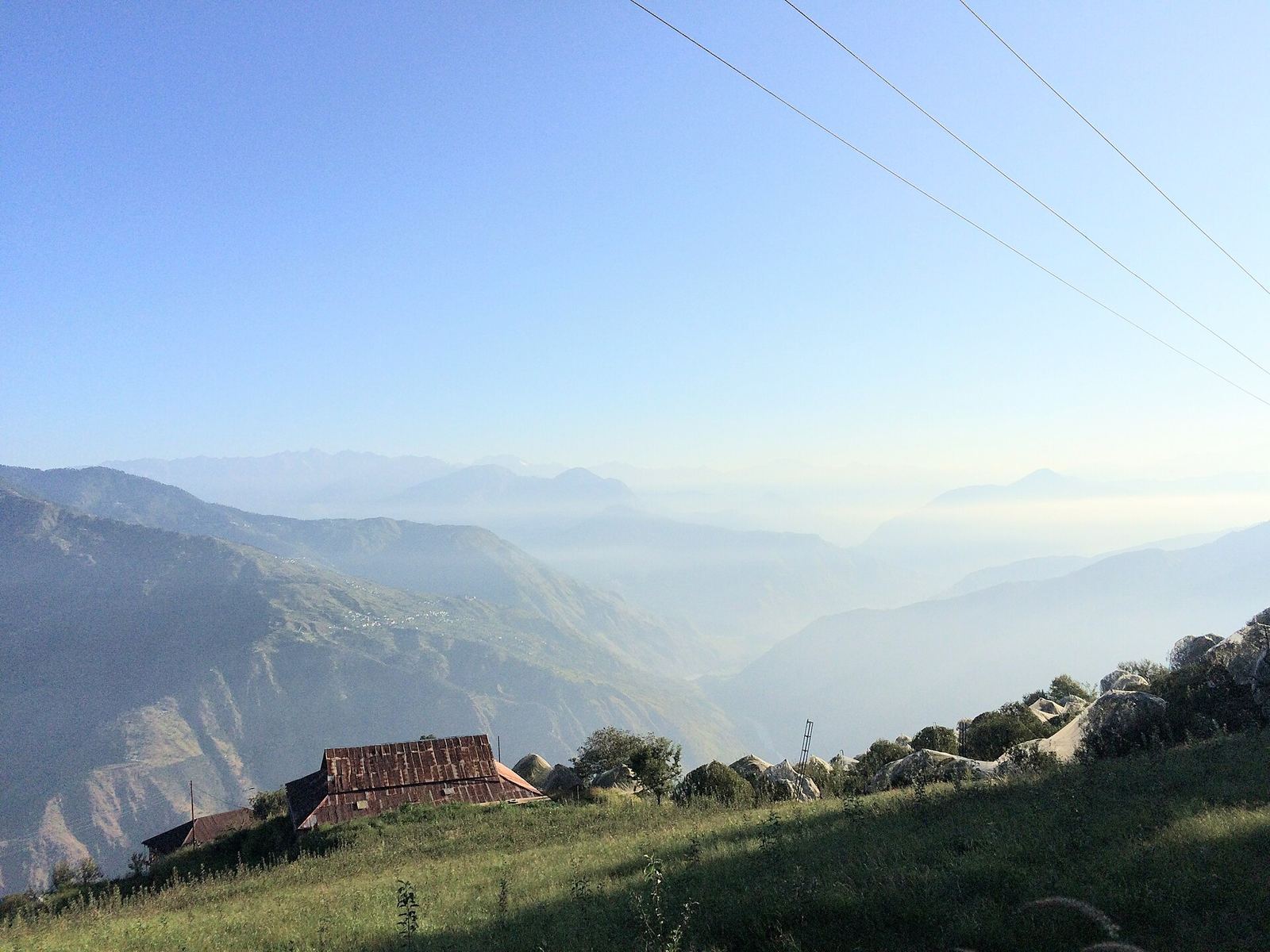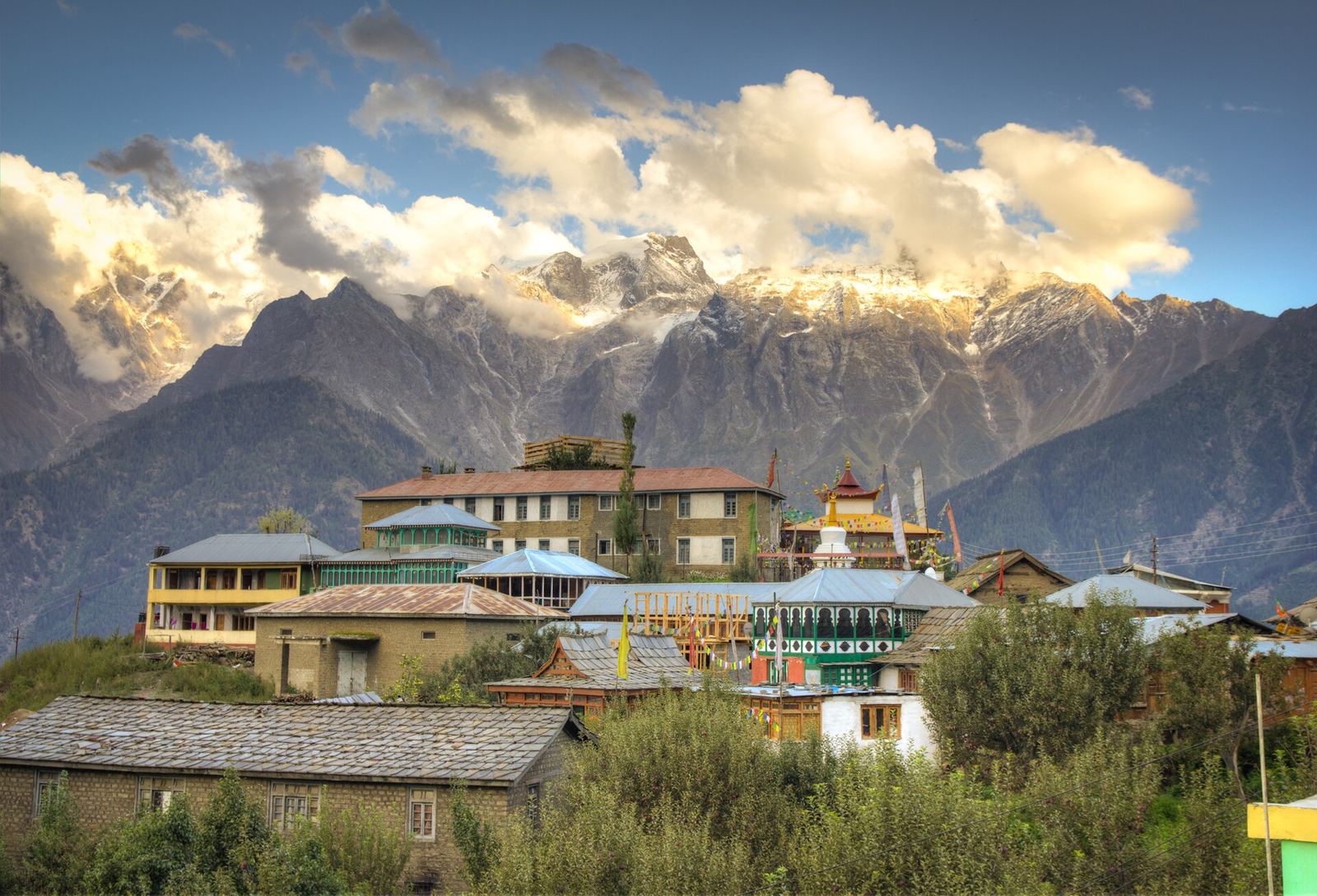

Yes. Kangra Fort and the Masroor rock-cut temples work comfortably as a single day trip from Dharamshala. The fort sits roughly 20 km away, and Masroor is about 41 km from Dharamshala on the far side of Kangra town. Budget 90–110 km of driving and seven to eight hours door to door, starting by 8:30 AM.
Quick facts
- Dharamshala to Kangra Fort: approximately 20 km, 45–60 minutes
- Kangra Fort to Masroor: approximately 32 km via the Nagrota Surian link road, 1–1.25 hours
- Masroor back to Dharamshala: approximately 41 km, 1.25–1.5 hours
- Total driving: 90–110 km, 3–3.5 hours behind the wheel
- Monuments: both are centrally protected sites under the Archaeological Survey of India
- Best season: late September to early December, and February to April
The Kangra district administration lists Masroor at 41.3 km from Dharamshala and 35.6 km from Gaggal Airport, connected by road through Kangra town. Those are the numbers to plan around, not the shorter straight-line distances mapping apps sometimes suggest.
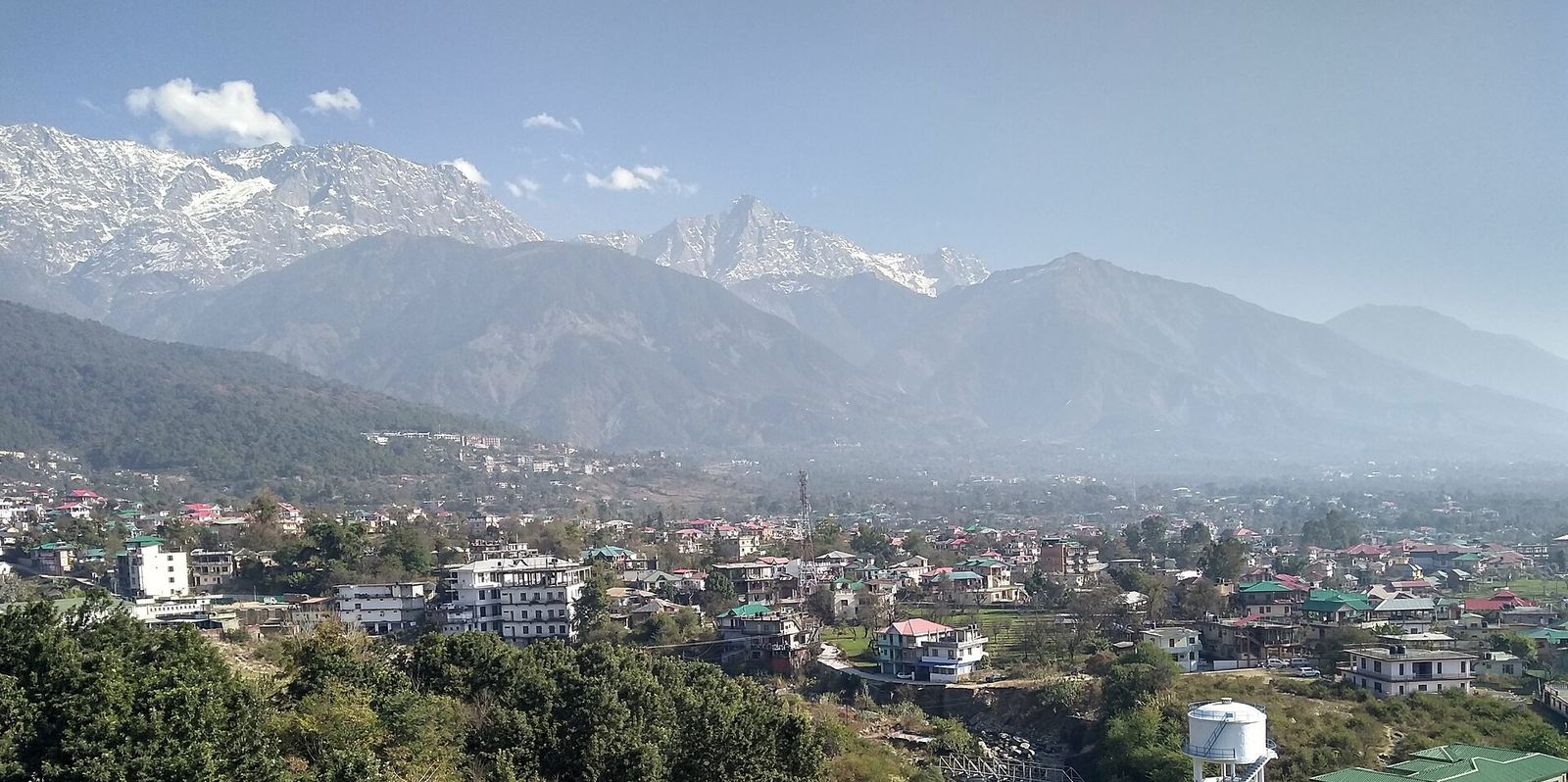
What does the day actually look like, hour by hour?
The order matters. Kangra Fort takes real walking, so do it while you are fresh and the light is still soft.
- 8:30 AM — leave Dharamshala or McLeod Ganj. Traffic through Chetru and Gaggal is lighter before 9 AM.
- 9:30 AM to 11:30 AM — Kangra Fort. Allow two hours. The ramparts climb steadily above the Banganga confluence and there is very little shade on the upper terraces.
- 11:45 AM — the Maharaja Sansar Chandra Museum sits close to the fort gate and adds 30–40 minutes if you want the Katoch-era miniatures and 1905 earthquake photographs.
- 12:30 PM — lunch in Kangra town. Options thin out sharply after this point, so eat here rather than hoping for a dhaba near Masroor.
- 2:00 PM to 3:30 PM — the Masroor rock-cut temples. The complex is small in footprint but rewards slow walking; the reflecting pool in front is the classic photograph.
- 5:00 PM — back in Dharamshala.
If you are travelling with elderly parents or young children, cut the museum and keep the fort visit to about 75 minutes. The fort's stone steps are uneven and there is no shortcut to the top.
What do tickets and timings cost?
Both sites are ASI monuments and appear on the department's list of ticketed monuments. Entry is nominal — typically around ₹25 for Indian visitors and ₹300 for foreign visitors, with slightly lower rates when you buy an e-ticket rather than paying at the counter.
Two practical cautions:
- Counters increasingly prefer digital payment. Carry a working UPI app; do not depend on cash alone.
- Timings are not identical. Kangra Fort typically operates on a fixed 9 AM to around 5 PM window, while Masroor is generally accessible over longer daylight hours. Both shift with the season, so confirm on the day before committing to a late-afternoon arrival.
The audio guide at Kangra Fort is worth taking. Without it the fort reads as a large ruin; with it, the layered Katoch, Mughal and Sikh-era construction starts to make sense. India's national tourism portal describes the fort above the Banganga confluence if you want the background before you arrive.

Taxi, bus or self-drive — which works for this route?
Taxi or hourly rental is the honest answer for most visitors. Masroor is not on a frequent public transport corridor, and the Nagrota Surian link road is the kind of narrow rural stretch where waiting for a return bus can cost you the afternoon. An hourly rental that keeps the car with you is the format that fits — you are making three stops, not one point-to-point transfer, and you want the vehicle waiting while you walk the fort.
HRTC buses run reliably between Dharamshala and Kangra town, so the fort alone is very doable by bus for around ₹40–60 each way. Adding Masroor by bus means a change at Ranital or Lahalpur and a genuine risk of being stranded in the late afternoon. Attempt it only if you are flexible about returning after dark.
Self-drive is fine if you are already comfortable on Himachal roads. Parking exists at both sites. The main hazard is the unmarked turn off the Kangra–Nagrota Surian road, so download offline maps before leaving Dharamshala.
Travellers landing at Gaggal can fold the fort into their arrival day, since the airport sits between Dharamshala and Kangra town — our Gaggal Airport transfer guide covers the distances and typical fares for that leg.
Is September to November the right season for this?
It is the best window of the year for this particular trip. The monsoon withdraws from Kangra through September, and the weeks that follow give you clear Dhauladhar backdrops behind both monuments — which matters, because Masroor was deliberately built facing the range.
Practical notes for this season:
- Early September can still bring heavy afternoon rain. Check the forecast the night before and keep the plan flexible.
- The stone at both sites gets slippery when wet. Wear shoes with grip, not sandals.
- From late October onwards, daylight shortens quickly. Move your start time to 8:00 AM so you are not rushing Masroor.
Peak summer is the season to avoid. Kangra valley heat at 700–800 metres is significantly harsher than Dharamshala at 1,450 metres, and the fort offers almost no shelter.

What can you add if you finish early?
Masroor sits reasonably close to the Pong Dam wetlands and to Jwala Ji. If you leave early and move briskly, Jwala Ji is the most natural addition on the return leg — though it turns a relaxed day into a long one. Travellers who want the devotional route rather than the archaeological one are usually better served by a dedicated Kangra temple circuit, which sequences Chamunda, Jwala Ji, Bajreshwari and Chintpurni properly.
Frequently asked questions
How much time do you need at Kangra Fort? Around 90 minutes to two hours, including the climb to the upper courtyards. Add 30–40 minutes for the adjacent museum.
Is the Masroor temple complex a hard walk? No. The site itself is largely flat and the walk from the parking area is short. The steps up to the main shrine are the only real effort.
Can you do this trip from McLeod Ganj instead of Dharamshala? Yes, add roughly 20–25 minutes each way for the descent and return climb. Leaving by 8:00 AM is sensible.
Are guides available at either site? Kangra Fort offers an audio guide. Masroor has interpretive signage but no formal guide service, so read up before you go.
Do you need to book anything in advance? No advance booking is required at either monument. Transport is the only thing worth arranging ahead, particularly on weekends and during festival weeks.
The practical recommendation
Treat this as one trip with two very different moods — a defensive hill fort and a contemplative temple complex — rather than two boxes to tick. Book a vehicle that stays with you, start early, and eat in Kangra town. If you are planning Kangra valley travel and want route-level answers before Himsafar opens bookings, our answers hub and the how it works page explain what the waitlist covers today.
Why this matters
This guide is part of the demand map we are building for Himachal. If the route, activity or idea matters to you, joining the waitlist tells us to prioritize it.
What to do next
Open the related destination or service, preview the travel flow, and support the specific corridor instead of signing up generically.
Reader signal
Reading about Kangra Fort helps us understand content demand. Waitlist joins help us understand launch demand.
Want this to become a real Himsafar route?
We are using the website to learn what people actually want us to build. Join the waitlist to show support for this kind of Himachal travel and get first access when matching routes open.
Himsafar Editorial
Destination guides