Kangri Dham is the traditional vegetarian festive feast of Kangra, cooked by hereditary cooks called botis over wood fires and eaten from leaf plates while seated in rows. Courses typically include rice, chickpea madra, black-lentil dal, a sour khatta and sweet rice. It is mainly served at weddings and festivals, so visitors usually need an invitation, a local dhaba or a host with advance notice.
Quick facts
- What it is: a ceremonial community meal, not an everyday restaurant dish
- Who cooks it: botis, cooks from long-standing family lineages, in brass vessels over firewood
- Kangra signature dishes: chickpea madra, teliya maah (black lentils), khatta, meetha bhat
- Diet: vegetarian; sources describe it as made without onion, garlic or tomato
- Best chance to eat one: a wedding, temple or village function you are invited to, or a dhaba or homestay that agrees to serve it
- Availability: often limited and sometimes needs notice, so confirm before travelling
What is Kangri Dham?
Dham is a feast for religious holidays, weddings and other auspicious occasions. The Himachal Pradesh Tourism page on local cuisine describes dhams as community feasts prepared by hereditary clans of Boti chefs, and notes that Mandi, Chamba, Kangra, Bilaspur, Shimla, Sirmaur and Kullu each have their own favourite dishes and cooking style.
Kangri Dham is the Kangra version. Cooking traditionally starts well before dawn in a temporary open-air kitchen, and the meal is served at lunchtime. Guests sit on the floor in a line (a painth), and boti-led teams serve each course in turn.
What is on the leaf in a Kangri Dham?
Menus vary by village and family, but a Kangra meal typically follows this arc:
- Rice to begin, served again on request
- Chana madra: chickpeas simmered slowly in a spiced yogurt gravy; Kangri madra is usually made with chickpeas rather than the kidney beans common in Chamba
- Teliya maah: black lentils finished in mustard oil
- Khatta: a sour chickpea or pulse dish, often with dried mango powder
- Chana dal, kadhi or similar dals, depending on the occasion
- Meetha bhat: sweet rice, usually with raisins and dry fruit, to close
Sources disagree on small details such as the exact order and which dals appear, which is normal for a feast cooked from memory rather than from a written recipe. Treat any single menu as one family's version, not a rule.
How do the other dhams in Himachal differ?
Each district has its own dham identity. This is a summary from the regional sources listed below, so expect local variation.
| Dham | Known for |
|---|---|
| Chamba | Madrah of rajma or black chickpeas, cooked in ghee; khutta of jaggery and tamarind; mittha rice. The tourism page lists the sequence as rice and moong dal, madrah, boor ki kari, mash dal, khutta, then mittha |
| Kangra | Chana madra, teliya maah, khatta, smoked (dhuni) dal in some versions |
| Mandi | Sepu vadi, a lentil dumpling in spinach gravy, and often a sweet boondi dish served early |
| Kullu | Several madras, sometimes with gucchi (wild morel mushroom), plus teliya maash and sweet rice |
| Bilaspur | Dhule maah dal finished with ghee and asafoetida, according to one regional guide |
| Sirmaur | Patande, a lentil-and-rice pancake, with halwa or jalebi as the sweet |
Chamba is also the home of madra in most accounts, including Incredible India's local food guide, which describes dham as cooked by botis in large brass pots over wood fires and served in courses on leaf plates.
Why is it worth trying?
- It is a living tradition. Few regional cuisines still depend on hereditary cooks, wood fires and communal seating.
- The flavour is distinct. Yogurt-based gravies, mustard oil, whole spices and a sour-sweet finish taste nothing like standard dhaba menus.
- It shows you the culture around the food. The seating, the leaf plate and the pace of serving explain more about Kangra than a sightseeing stop.
One honest caution: reports suggest authentic local food is getting harder to find at tourist-facing places. Do not expect a wedding-quality feast from a roadside plate.
Where can you eat Kangri Dham as a visitor?
There is no guaranteed listing, so plan this as an ask, not a booking.
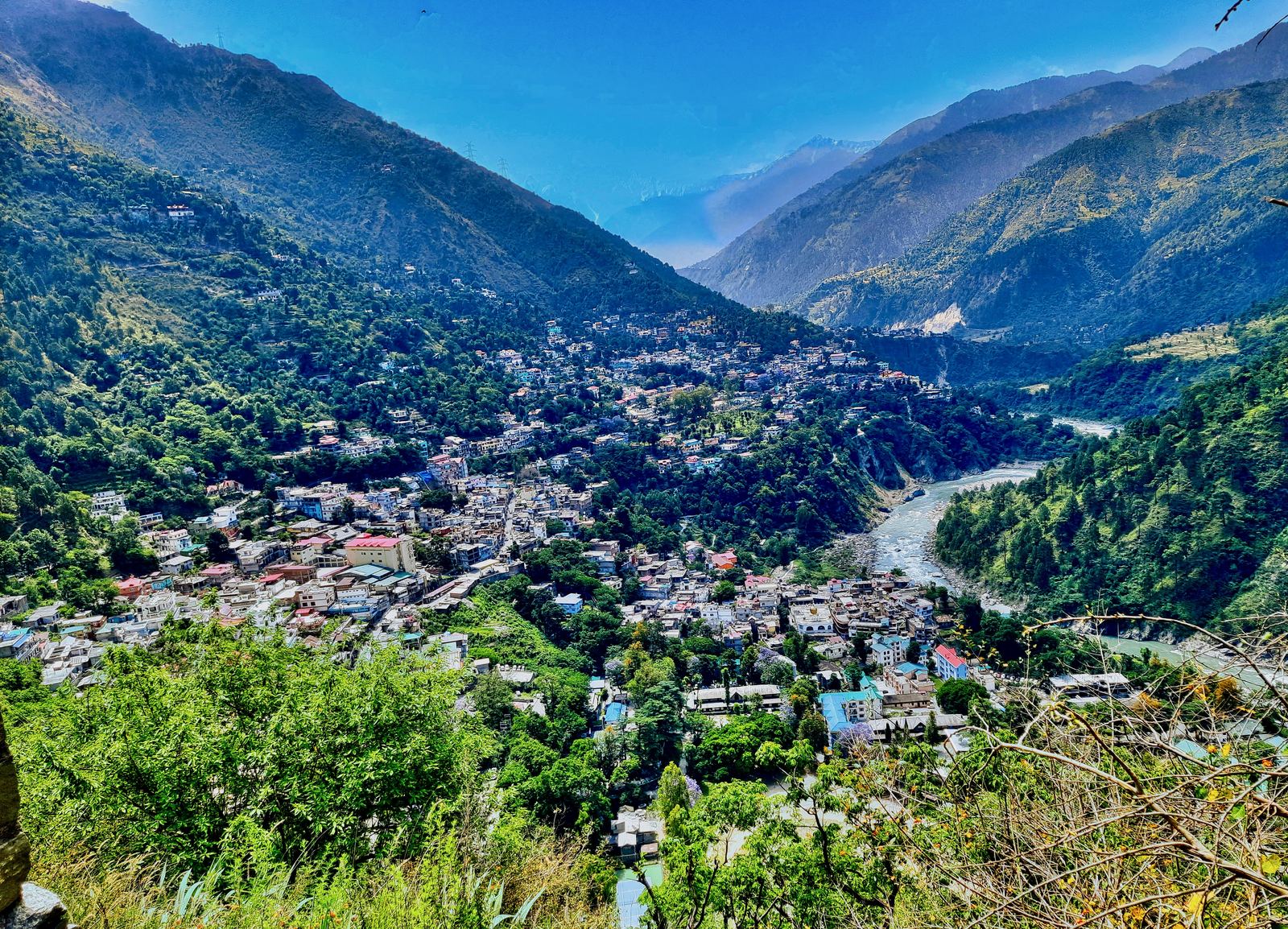
- Palampur and the Kangra roads. One food-travel writer links Kangri Dham more closely with Palampur than with Kangra town and names a dhaba near Maranda, on the Palampur–Kangra road. That account dates from 2018, so check that it is still serving. Our Palampur destination page and Palampur and Andretta slow-day guide help you build a day around it.
- Dharamshala and McLeod Ganj. Cafes dominate; dham is rarely on an ordinary menu. A home-cooked Pahari meal is an easier route, such as the Naddi home-cooked thali experience, which asks for notice and your dietary notes. Start from our Dharamshala page.
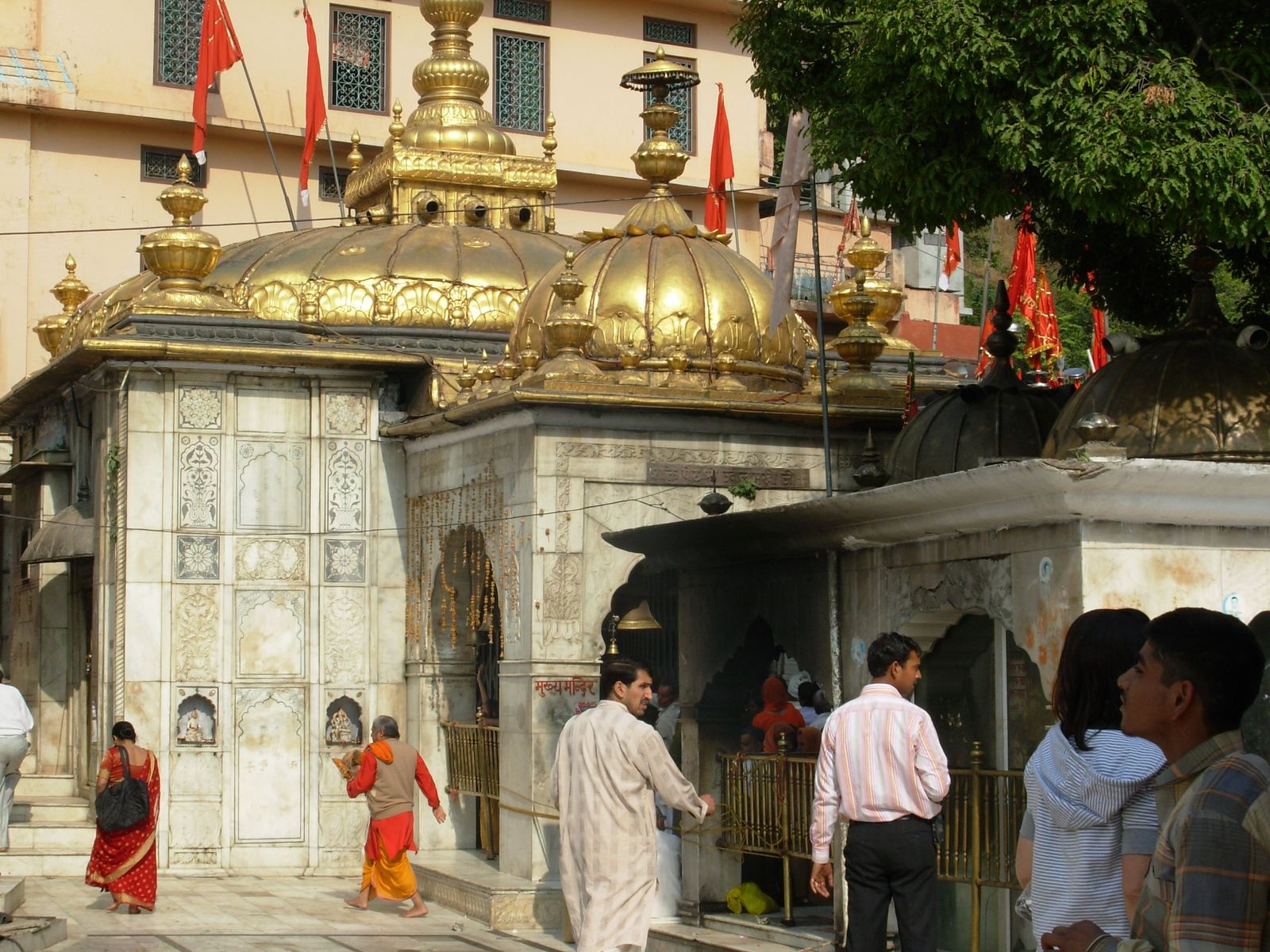
- Weddings and temple functions. If a driver, host or homestay family invites you, accept politely and dress modestly. Our Kangra temple circuit guide shows the region's pilgrimage stops.
- Chamba. The same 2018 writer reports that a state tourism restaurant in Chamba town could serve Chambyali dishes with advance ordering. Confirm before you go. See the Chamba destination page.
Frequently asked questions
Is Kangri Dham vegetarian? Yes. It is described as a vegetarian feast cooked without onion, garlic or tomato in the traditional style.
Can tourists eat dham in a restaurant? Sometimes. A few dhabas and homestays serve a dham-style thali, but the full ceremonial meal is mainly cooked for weddings and festivals. Ask a day ahead.
How much does it cost? No reliable current price exists. Older reports mention roughly ₹50–150 a plate at roadside places, but those figures are dated, so confirm locally.
What is the difference between dham and a thali? A thali is served at one time on a plate. Dham is a cooked-fresh, course-by-course community meal on leaf plates, eaten seated in a row.
Do I need special permission to join a village dham? You need to be invited. Never walk into a family function uninvited, and ask before photographing.
What should you do?
Ask first, then plan. Tell your homestay or driver you want to eat Kangri Dham, give them a day's notice and flag any dietary needs. If an invitation to a function comes, say yes and go with respect. If you want a Kangra trip built around food and temples, join the Himsafar customer waitlist and see how Himsafar works; bookings are not live yet.
Why this matters
This guide is part of the demand map we are building for Himachal. If the route, activity or idea matters to you, joining the waitlist tells us to prioritize it.
What to do next
Open the related destination or service, preview the travel flow, and support the specific corridor instead of signing up generically.
Reader signal
Reading about Kangri Dham helps us understand content demand. Waitlist joins help us understand launch demand.
Want this to become a real Himsafar route?
We are using the website to learn what people actually want us to build. Join the waitlist to show support for this kind of Himachal travel and get first access when matching routes open.
Himsafar Editorial
Destination guides