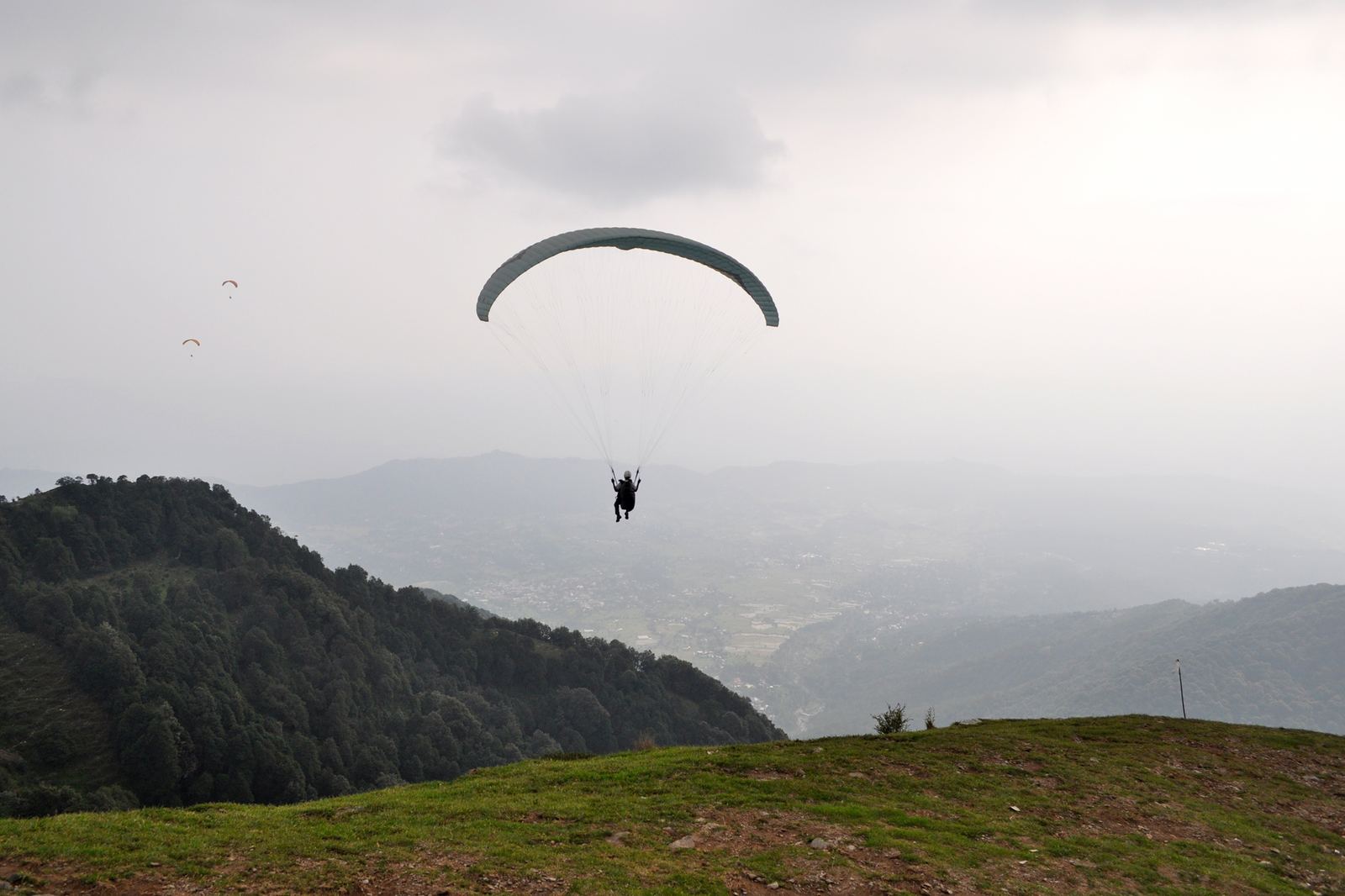
Commercial tandem paragliding at Bir Billing is largely paused through the monsoon. Most pilots stop regular tandem flying from roughly mid-July to mid-September, because rain, low cloud and unstable wind close the Billing take-off window. Flying typically restarts through late September, and October to November is the most reliable season. Plan an autumn date, not an August one.
Quick facts
- Take-off: Billing, approximately 2,400 m; landing: Bir village, roughly 1,400 m
- Monsoon status: tandem operations typically suspended or heavily weather-dependent, mid-July to mid-September
- Best window: October to mid-December, and again March to May
- Typical tandem flight: 15–30 minutes, subject to conditions
- Indicative tandem price: approximately ₹3,000–₹5,000, higher in peak October–November; operator quotes vary and are not government-fixed
- Nearest airport: Gaggal (Kangra), about 68 km from Palampur side; nearest railhead: Baijnath Paprola on the narrow-gauge line, per the Kangra district administration
Why is paragliding at Bir Billing closed in August?
It is less a formal shutdown and more a physics problem. Monsoon air over the Dhauladhar is moist and unstable. Cumulus builds quickly, cloudbase drops below the Billing take-off, and the same thermals that make Bir world-famous in October become unpredictable and violent in August. Visibility at the Chogan landing site can also collapse within minutes.
The access road adds a second constraint. Billing is a narrow, steep climb above Bir, and monsoon landslips or washouts can make the drive up unreliable even on a day when the sky briefly clears. Our wider guidance on travelling through Himachal in monsoon applies here in full: build buffers, travel in daylight, and treat every hill schedule as provisional.
Some pilots do fly solo or in short weather windows through this period. That is a very different proposition from putting a first-time passenger into a tandem harness, and you should not read a photo on social media as evidence that commercial flights are running.

When does the Bir Billing season actually restart?
Expect a gradual restart rather than a fixed opening date.
- Mid to late September: rain eases, some operators resume tandem flying on selected days. Conditions are workable but cancellations remain common.
- October: the strongest month. Clear post-monsoon air, stable thermals, long glides. This is also when the state's tourism department has historically run competition events at Billing, so the site is busy.
- November to mid-December: still excellent, colder, fewer crowds, shorter usable windows in the afternoon.
- January to February: flying happens but is limited by cold and weather systems.
- March to May: the second good season, with strong thermals and long cross-country flights.
- June onwards: deteriorates as pre-monsoon moisture arrives.
There is no official calendar you can book against. Himachal does not publish a fixed "season opens on this date" notice for Bir, so treat late September as the earliest sensible planning date and October as the safe one. If you are booking flights or trains now, that is the distinction that matters.
What changed in the safety rules, and why it affects your booking
Two developments are worth knowing before you pick an operator.
In February 2025, pilots at Bir-Billing themselves suspended commercial tandem flights for a week after a run of accidents, and used the pause to draft a local code of conduct. The measures discussed included capping pilots at two tandem flights per day, standardising tariffs, and barring undocumented pilots from flying until their credentials were verified, as reported by The Tribune.
Then in September 2025, the state notified the Himachal Pradesh Aero Sports (Amendment) Rules, 2025. Under the amendment, pilots flying tandem must complete a simulation-based paragliding safety course before obtaining a tandem licence, and already-registered pilots were given until 31 August 2026 to complete that course, per The Tribune's report on the amended rules.
The practical consequence for a traveller planning an October 2026 trip: that deadline falls just before the season restarts. It is entirely reasonable to ask an operator whether their pilot has completed the simulation course and holds current Tourism Department registration. Under the 2022 rules, aero sports may only be undertaken after registration with the Department of Tourism and Civil Aviation.
If you want a short list of questions to actually ask at the take-off, our Bir Billing paragliding safety checklist covers the ones that matter, and the HimSafar safety approach explains how we think about weather-first activity planning generally.
Is Bir worth visiting during monsoon anyway?
Yes, if you reset your expectations. Bir without flying is still a good two-day stop, and it is quieter and greener than at any other time.
- Monasteries and meditation: the Chokling monastery and the Tibetan colony are a short walk from the landing ground, and a monastery morning in Bir is a genuinely different experience in the rain.
- Cafés and slow days: the landing-site café cluster keeps running through monsoon, with far fewer people.
- Palampur and Andretta: an hour away, the tea gardens and Dhauladhar views around Palampur are at their most dramatic in August, between showers.
- Baijnath temple: a 9th-century stone temple roughly 15 km from Bir, worth an hour.
What you should not do is book a non-refundable trip in August on the assumption that you will fly. Treat any monsoon flight as a bonus.
How should you plan transport for an autumn Bir trip?
The mistake most first-timers make is underestimating the last leg. The flight starts at Billing, roughly 14 km of steep switchbacks above Bir village — not in the café lane where you are staying.
- Flying in: Gaggal Airport is the closest option. Our Gaggal Airport transfer guide covers the Dharamshala, McLeod Ganj and Bir corridors and what a fair preset estimate looks like.
- By train: Baijnath Paprola on the Pathankot–Joginder Nagar narrow gauge is scenic but slow; most travellers use Pathankot and continue by road.
- By road: Bir is roughly 50 km from Dharamshala, 68 km from Gaggal, 280 km from Chandigarh and around 500 km from Delhi, per the district administration. HRTC operates services including a Delhi–Bir Volvo.
- Up to Billing: arrange this the night before. Morning haggling at the landing site wastes the calmest wind window of the day.
For context on what a tandem day involves end to end, see our Billing to Bir paragliding page.
Frequently asked questions
Can I paraglide at Bir Billing in August 2026? Usually not as a paying tandem passenger. Commercial tandem operations are typically suspended or highly conditional through the monsoon. Some solo pilots fly in brief windows. Check locally before travelling, and do not plan the trip around it.
When exactly does the Bir Billing season open? There is no fixed official opening date. Flying generally resumes through the second half of September, and October is the first month you can plan around with reasonable confidence.
How much does a tandem flight cost? Operator quotes typically fall in the ₹3,000–₹5,000 range, rising in peak October–November and for longer or video-inclusive flights. Prices are not government-fixed, so confirm what is included before paying.
Do I need a permit to fly at Bir Billing? Passengers do not need a permit. The obligation sits with the pilot and operator, who must be registered with the Himachal Department of Tourism and Civil Aviation and hold a valid tandem licence. Ask to see registration.
Is October crowded? Yes. October is both peak flying season and competition season at Billing. Book accommodation early and expect queues at take-off on clear mornings.
The practical recommendation
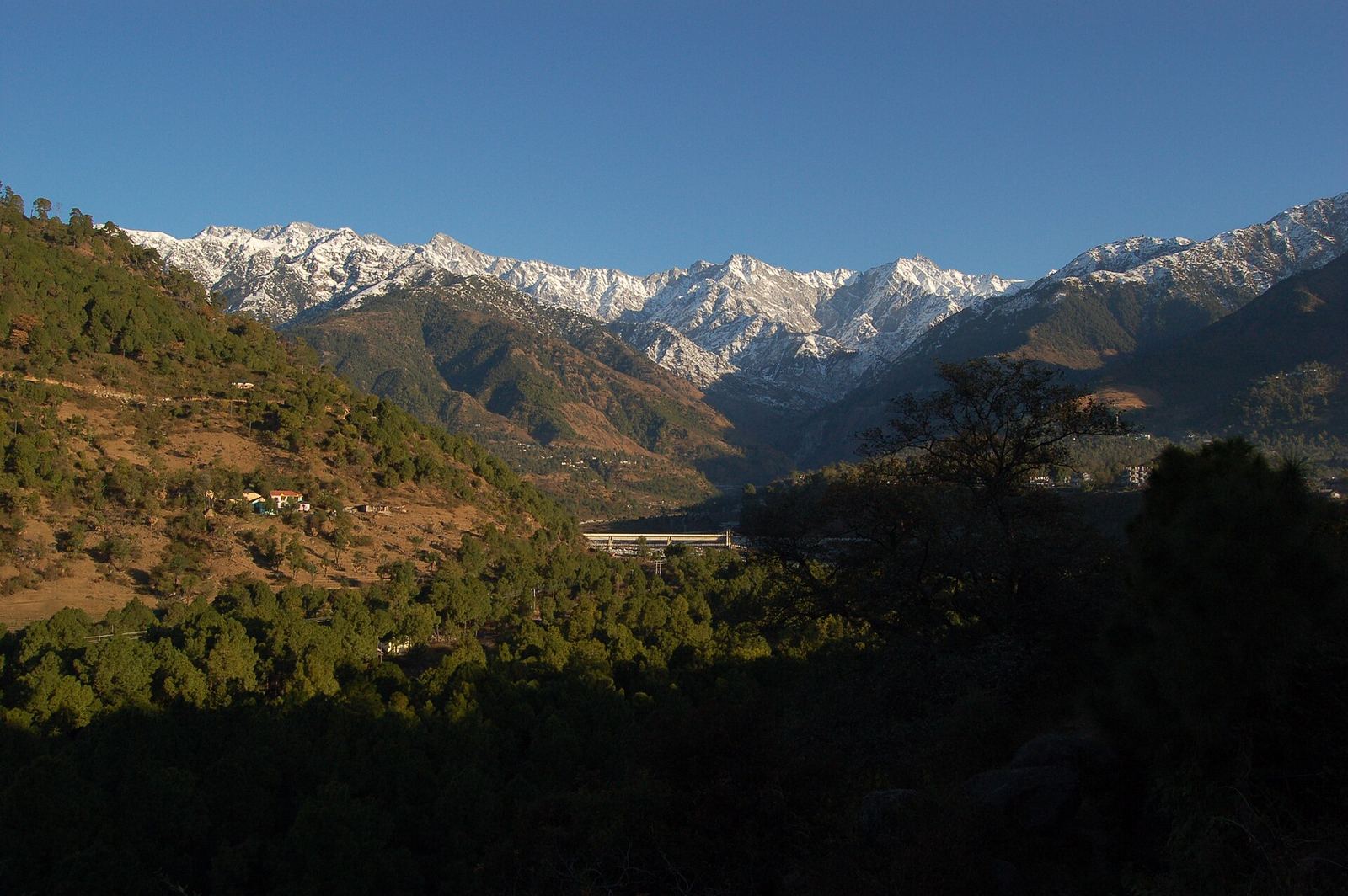
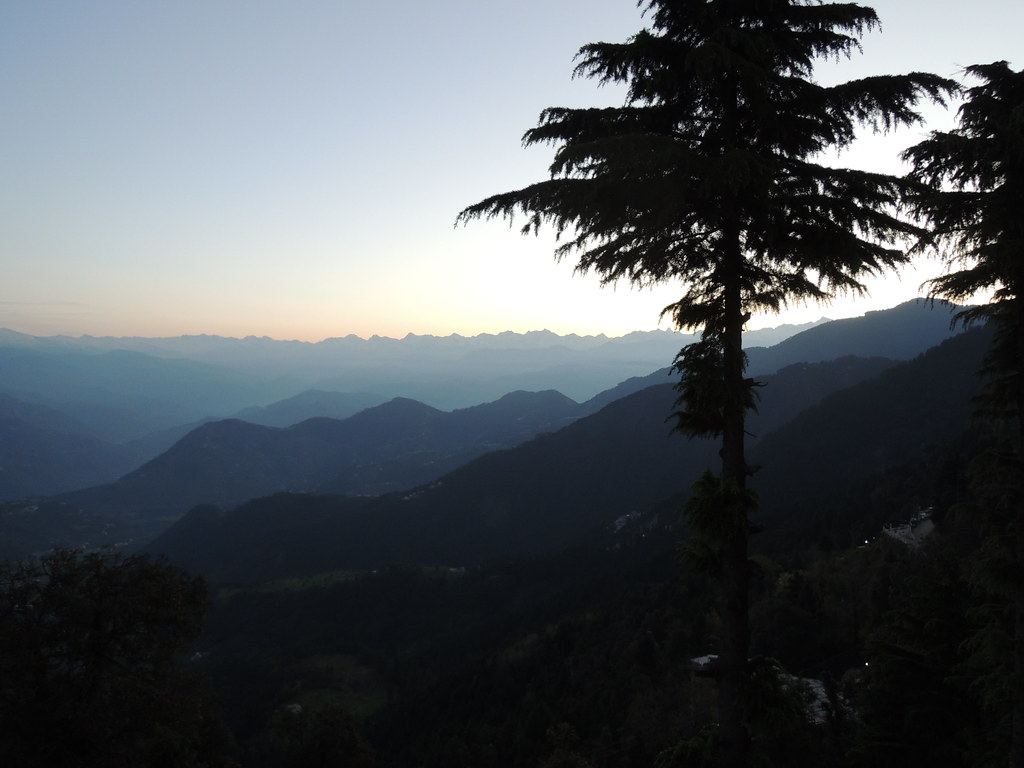
If you are reading this in August, do not chase a flight. Book Bir for the second half of October, when the air is stable and the Dhauladhar view from 2,400 m is at its clearest. Arrive with a spare day so that one poor-weather morning does not end the trip, arrange the Billing transfer the night before, and pick your operator on registration and pilot credentials rather than on price.
HimSafar is currently in waitlist mode for Kangra corridors, so use these guides to plan the shape of the trip and confirm live availability and fares directly with local operators before you travel.
Why this matters
This guide is part of the demand map we are building for Himachal. If the route, activity or idea matters to you, joining the waitlist tells us to prioritize it.
What to do next
Open the related destination or service, preview the travel flow, and support the specific corridor instead of signing up generically.
Reader signal
Reading about Bir Billing helps us understand content demand. Waitlist joins help us understand launch demand.
Want this to become a real Himsafar route?
We are using the website to learn what people actually want us to build. Join the waitlist to show support for this kind of Himachal travel and get first access when matching routes open.
HimSafar Editorial
Destination guides