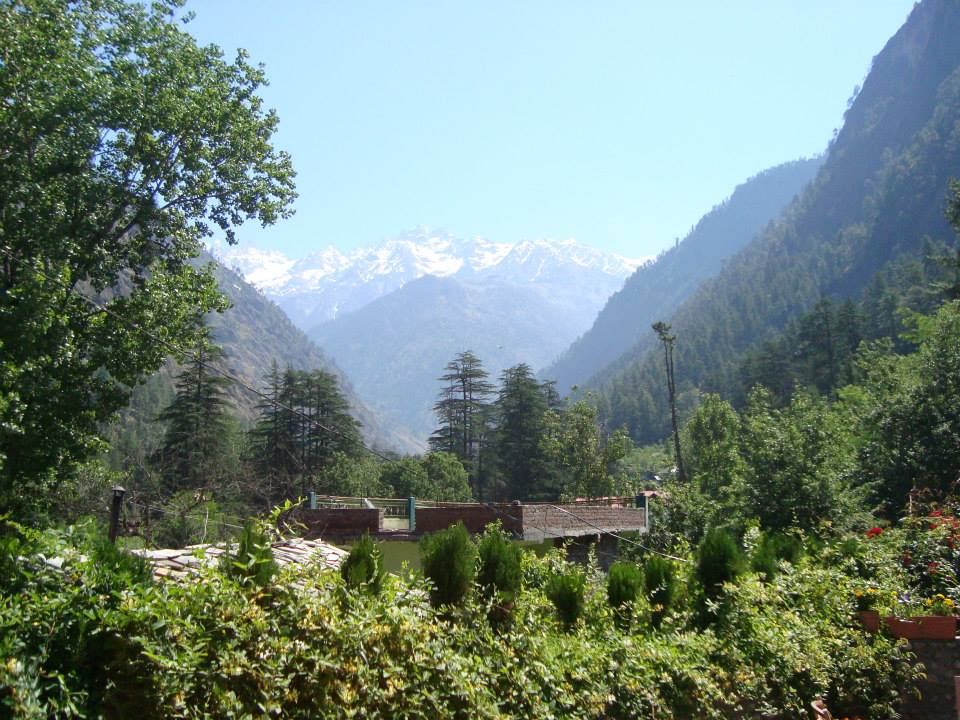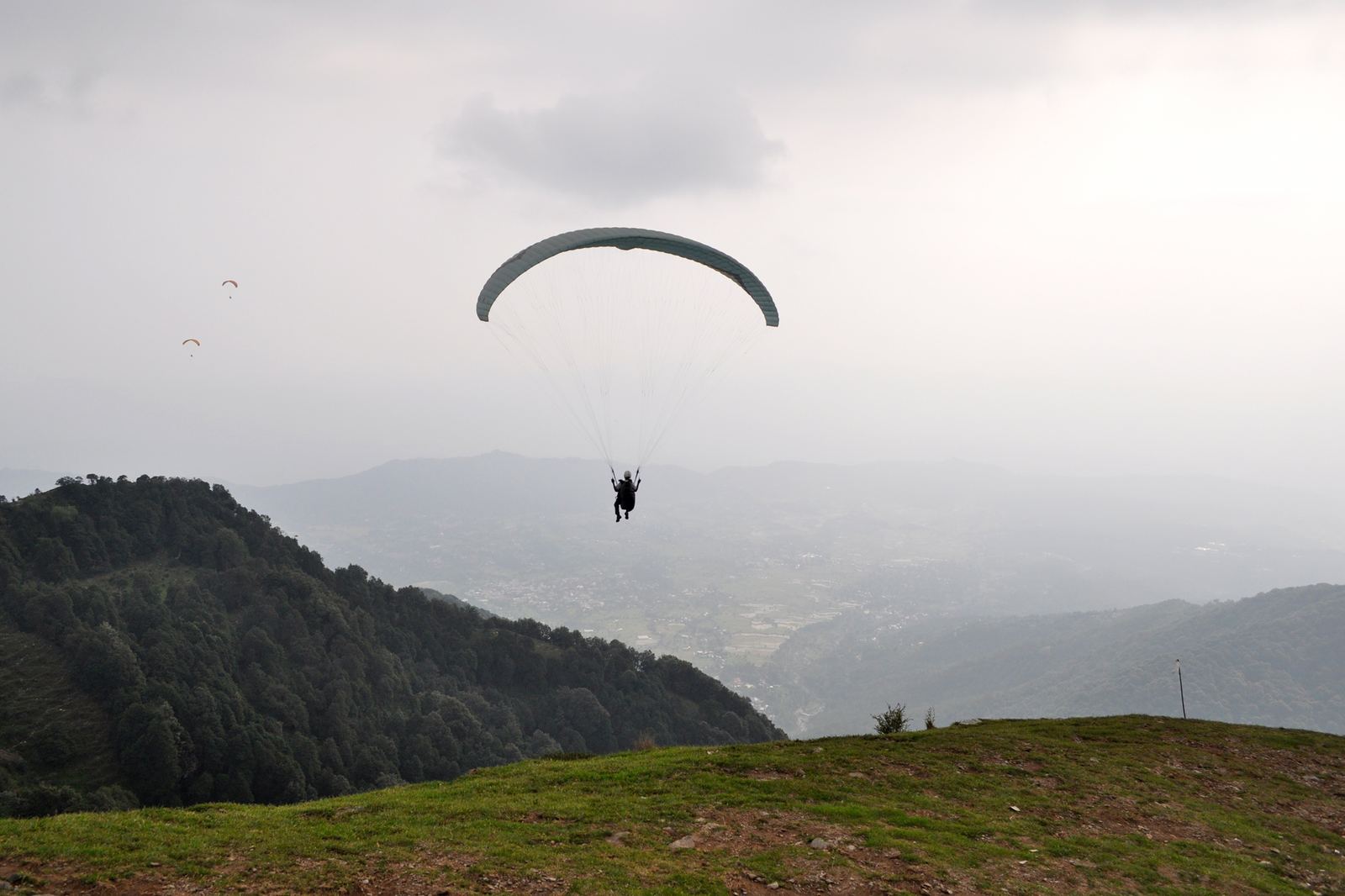
Hampta Pass trek sits at 4,100 metres and crosses from Manali's monsoon-soaked forests into Lahaul's rain-shadow desert. July and August seem like risky months—rain, slippery rock, river crossings that rise with snowmelt and afternoon downpours. Yet these are exactly the months when Hampta shows its most striking face: lush green meadows bursting with wildflowers, full streams creating waterfalls, and fewer trekkers clogging the trail. The pass becomes a genuine traverse between two climate zones, not just a high-altitude walk.
Monsoon Hampta is harder than spring and autumn versions. But it rewards preparation, respect for weather, and the willingness to trek through intermittent rain.
Quick facts
- Distance: ~25 km over 4 days of trekking
- Maximum altitude: 4,100 m (Hampta Pass)
- Starting point: Jobra, ~20 km from Manali
- Ending point: Chatru, Lahaul side; return to Manali via Rohtang Pass
- Season: Open June–September; monsoon (July–August) is accessible but demands caution
- Estimated cost: ₹4,950–₹8,000 for guided trek package; independent trek is cheaper but needs prior mountain experience
- Difficulty: Moderate to challenging (slippery terrain, altitude, river crossings in monsoon)
- Best time within monsoon: Early July (1–15 July) sees moderate rain and better pass visibility than late July–August
Why monsoon transforms this trek
Rain creates lush green meadows. The Manali side receives heavy monsoon rain. This fills streams with water (creating spectacular small waterfalls), turns alpine meadows vivid green, and pushes wildflowers into peak bloom. In dry season, these meadows are browns and greys. In monsoon, they are the most beautiful version of the route.
Fewer trekkers. Most trekkers avoid monsoon. Hampta sees only a fraction of the crowds that clog the trail in May or September. You get solitude and silence—rare at popular Himalayan passes.
The dramatic transition becomes real. Hampta's defining feature is crossing from Manali's wet climate into Lahaul's rain-shadow dry zone. In monsoon, you walk from soaking rain on the Manali side to clear skies and sunshine within hours of reaching the pass. This shift feels profound and tangible.
Lahaul stays dry. While the Manali approach gets rain, the Lahaul side remains dry and sunny. By Day 3 (pass crossing) and Day 4 (descent to Chatru), you are in blue skies and dramatic desert light.
The four-day route breakdown
Day 1: Manali to Jobra to Chika (~7 km, ~3 hours trekking)
From Manali, hire a local taxi or shared cab to Jobra (₹200–400). The trek starts at Jobra basecamp. The first day is gentle—a short acclimatization walk through pine and deodar forests toward Chika meadow.
In monsoon, expect rain on this section. Wear a rain jacket and waterproof your pack. The path is muddy and slippery where forest streams cross the trail. A walking stick helps. By Chika, you camp at ~2,600 m altitude. The meadow is stunning in monsoon—knee-high grass, wildflowers, and mist moving through the valley.
Day 2: Chika to Balu Ka Ghera (~8 km, ~5 hours)
This is the longest day on the approach. You trek through open meadows as altitude climbs toward 3,500 m. Balu Ka Ghera is a high meadow camp with stream water and minimal shelter.
Monsoon challenges on this day:
- Slippery grass: Rain-soaked meadows are treacherous if you rush. Walk slowly; use poles. A slip on wet slope grass can become a tumble.
- Cloud and wind: Afternoon mist often rolls in, reducing visibility to 50 metres. Pace yourself so you reach camp before 4 p.m. when cloud thickens.
- Stream crossings: By late monsoon (August), streams swell with snowmelt and afternoon rain. Cross in the morning when water is shallower. Do not attempt crossing in rain if water is knee-deep.
The reward: wildflower carpets, distant views of Solang Valley and Pir Panjal, and the silence of high meadows.
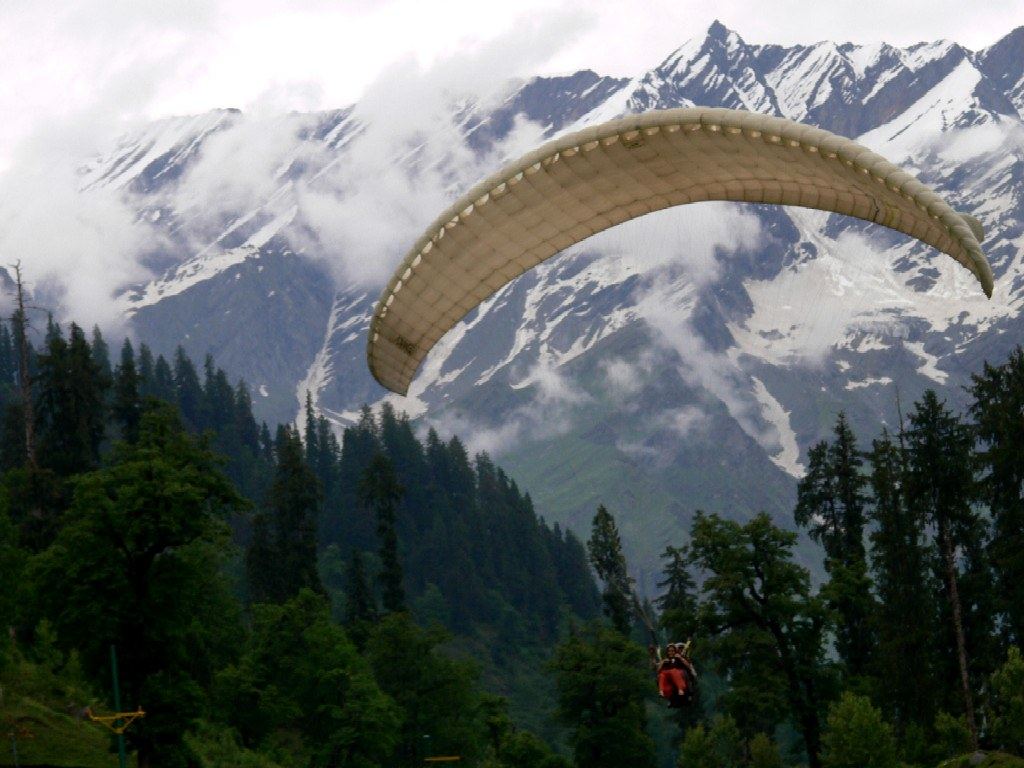
Day 3: Balu Ka Ghera to Shea Goru (pass crossing, ~6 km, ~6 hours)
This is the crux day. You ascend from Balu Ka Ghera (~3,500 m) through rocky terrain to Hampta Pass (4,100 m), then descend to Shea Goru (~3,600 m) on the Lahaul side.
The pass crossing itself is where monsoon creates the starkest difference:
- The Manali side (approach): Cold, often cloudy, occasional rain or sleet.
- The pass itself: Can be dramatic—wind, temperature swings, brief cloud cover that clears suddenly. Early July may see snow patches near the pass even in monsoon.
- The Lahaul side (descent): Often clear and sunny. The temperature and light change dramatically within 30 minutes of crossing the pass.
This reversal—from rain forest to high desert in a few hours—is why Hampta is unforgettable. In monsoon, it is especially stark because the Manali side is actively wet and the Lahaul side actively dry.
By Shea Goru (a rocky camp), you are out of the monsoon zone. The rest of the trek is clear and cool.
Day 4: Shea Goru to Chatru (~4 km, ~2 hours descent)
A short, easy descent through boulder fields and dry terrain to Chatru. Jeeps wait to drive you back to Manali via Rohtang Pass (2–3 hour drive, ~45 km). You reach Manali by evening.
This final day is straightforward and rarely affected by weather. It is mostly a recovery walk after the pass crossing.
Monsoon-specific safety and preparation
Leech risk: High-altitude leeches are active in monsoon-wet forests (especially Day 1 and lower sections of Day 2). Wear closed boots and socks. Salt or insect repellent helps, though mechanical removal (pinching and removing by hand) is the only reliable option once attached. Do not pull; gently push from the side.
Altitude and weather: July temperatures at the pass range from 3°C to 7°C during the day; night temperatures drop to -2°C to 6°C. Bring an insulated sleeping bag rated to -10°C. Wear layers and a good rain jacket. The pass wind can gust over 50 kmph; secure your tent properly.
River crossings: In late monsoon, streams can swell to thigh-height. Do not cross solo. Use a rope or walking pole for balance. If water is moving fast or very cold, wait for it to recede (usually by mid-morning after overnight rain cools).
Physical fitness: Hampta requires moderate to good fitness. You climb ~1,500 m and trek ~25 km over 4 days, with altitude exposure. If you've done treks like Triund or Bir–Baijnath, you are prepared. If not, consider building fitness first or hiring a guide who can set pace and watch for altitude sickness.
Acclimatization: Rest well before Day 3. Drink plenty of water, avoid alcohol, and eat light dinners. Some trekkers experience mild altitude headache or nausea above 3,800 m; this usually passes with rest and hydration.
Cost and how to book
Guided trek package: ₹4,950–₹8,000 per person (includes meals, camping, porter, guides). Book through adventure operators like India Hikes, Trek the Himalayas, or local Manali agencies. Packages typically run from Manali (include Day 1 taxi from Manali to Jobra).
Independent trek: If you are an experienced trekker, you can hire porters (₹500–₹800/day), camp independently, and buy supplies in Manali. This costs ₹2,000–₹4,000 plus your own gear. Not recommended for first-timers; monsoon weather unpredictability requires experience.
Best group size: 8–12 trekkers per guide. Larger groups move slowly; smaller groups have less shared cost. Mixed groups are common.
What's included: Usually meals (breakfast, lunch, dinner, tea), camping gear (tent, sleeping bag if needed), and a guide. Your own hiking boots, rain jacket, and personal items are required.
Hampta vs Chandratal: which monsoon trek?
Both are accessible in monsoon, but different:
Hampta Pass is an active crossing—you trek through changing weather and ecosystems. It's dramatic, shorter (4 days), and starts from Manali. It suits trekkers who enjoy movement and varied terrain. Learn more about similar trekking routes.
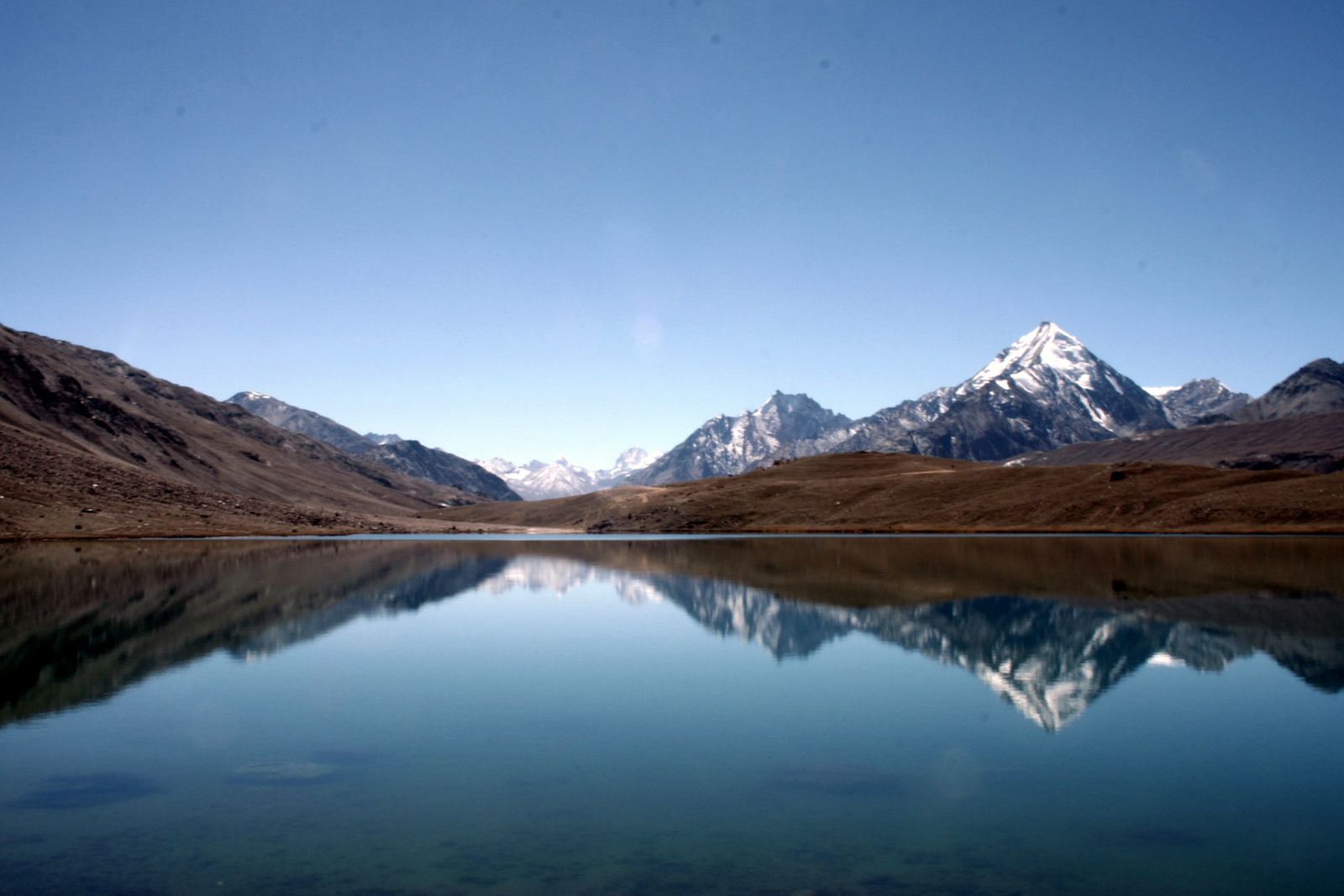
Chandratal Lake is a destination trek—you aim for a high alpine lake (4,300 m), often doing it as a car-to-lake trip or leisurely 3–5 day trek. It suits photographers and those wanting a single base camp. The lake is in the rain-shadow, so monsoon rain is minimal. But reaching the lake involves driving through passes (Kunzum) that can close briefly in heavy rain.
For monsoon, Hampta offers more reliable trekking because you cross the pass early (Day 3) before worst afternoon weather. Chandratal requires reliable pass access; road closures can strand you.
Weather variability and buffer time
Early July (1–15 July) is more reliable than late July–August. In early July, you get moderate rain and clearer pass views. Late July and August bring heavier rain spells that can create 6–12 hour delays if a stream becomes impassable or a landslide temporarily closes the high trail.
Always book with flexibility. If your trek is scheduled for mid-August and heavy rain hits (unusual but possible), trustworthy operators will reschedule your trek to better weather in early September, or offer a refund.
Frequently asked questions
Can I trek Hampta in August? Yes, but with higher risk. August sees heavier monsoon rainfall and faster-rising rivers. Early August is manageable; late August carries the year's peak monsoon intensity. If you have flexibility, choose early July.
What if I get altitude sickness? Mild symptoms (headache, nausea) are common above 3,700 m. Rest at Balu Ka Ghera (Day 2) before the pass crossing. Drink water, eat light food, and take ibuprofen if needed. Severe altitude sickness (confusion, extreme shortness of breath) requires descent; descend to Chika or Jobra immediately. Guides on professional treks know how to spot and manage this.
How do I prevent leeches? Closed boots, long socks, and trousers tucked in. Salt, insect repellent, or mosquito coils can deter them. Once attached, gently push from the side (avoid pulling). Do not panic; leeches are harmless if removed properly.
Can I trek solo? Not recommended in monsoon. Hampta in rain with river crossings requires backup. Hire a guide (₹1,500–₹2,500/day) or join a guided trek. Solo trekking on this route in clear weather (May, September) is more feasible; monsoon demands a partner or guide.
What if the pass is closed by snow or landslide? Rare in July, but possible in June or early August after heavy snow. Guides check weather and road reports daily. If the pass becomes impassable, guides reroute via longer alternatives or reschedule your trek. Trust your operator's judgment; do not pressure them to proceed if conditions are dangerous.
How fit do I need to be? You should be able to walk for 4–5 hours at altitude with regular breaks. Practice hiking with a 10–15 kg backpack. If you struggle on walks above 2,500 m, consider building fitness first or hiring a porter to carry your pack (₹500–₹800/day, making the trek more enjoyable).
Is a porter necessary? No, but recommended. Porters carry 15–20 kg, leaving you with a light pack (5–7 kg). This makes the trek much less tiring and reduces injury risk on slippery terrain. A porter costs ₹500–₹800/day—a worthwhile investment.
The practical recommendation
Monsoon Hampta is for trekkers who are fit, prepared for rain and leeches, and excited by dramatic weather and lush landscapes. If you prefer clear skies and dry campsites, choose May or September.
But if you want to experience Hampta at its most alive—verdant meadows, roaring streams, wildflowers, few crowds—and you are willing to trek through intermittent rain and manage slippery terrain, early July (1–15 July) is your window. Book with a reputable operator, hire a guide, and embrace the weather.
Hampta in monsoon is not the easiest version of this trek. But it is the most beautiful.
For context on monsoon travel decisions across Himachal, see Himachal in monsoon: how to travel without pretending the weather is harmless. For more Manali-based activities, read Manali to Chandratal Lake trip guide. And for understanding shared mobility to your trek start, see Shared seats vs HRTC bus: which wins in Himachal.
Why this matters
This guide is part of the demand map we are building for Himachal. If the route, activity or idea matters to you, joining the waitlist tells us to prioritize it.
What to do next
Open the related destination or service, preview the travel flow, and support the specific corridor instead of signing up generically.
Reader signal
Reading about Trekking helps us understand content demand. Waitlist joins help us understand launch demand.
Want this to become a real Himsafar route?
We are using the website to learn what people actually want us to build. Join the waitlist to show support for this kind of Himachal travel and get first access when matching routes open.
HimSafar Editorial
Destination guides