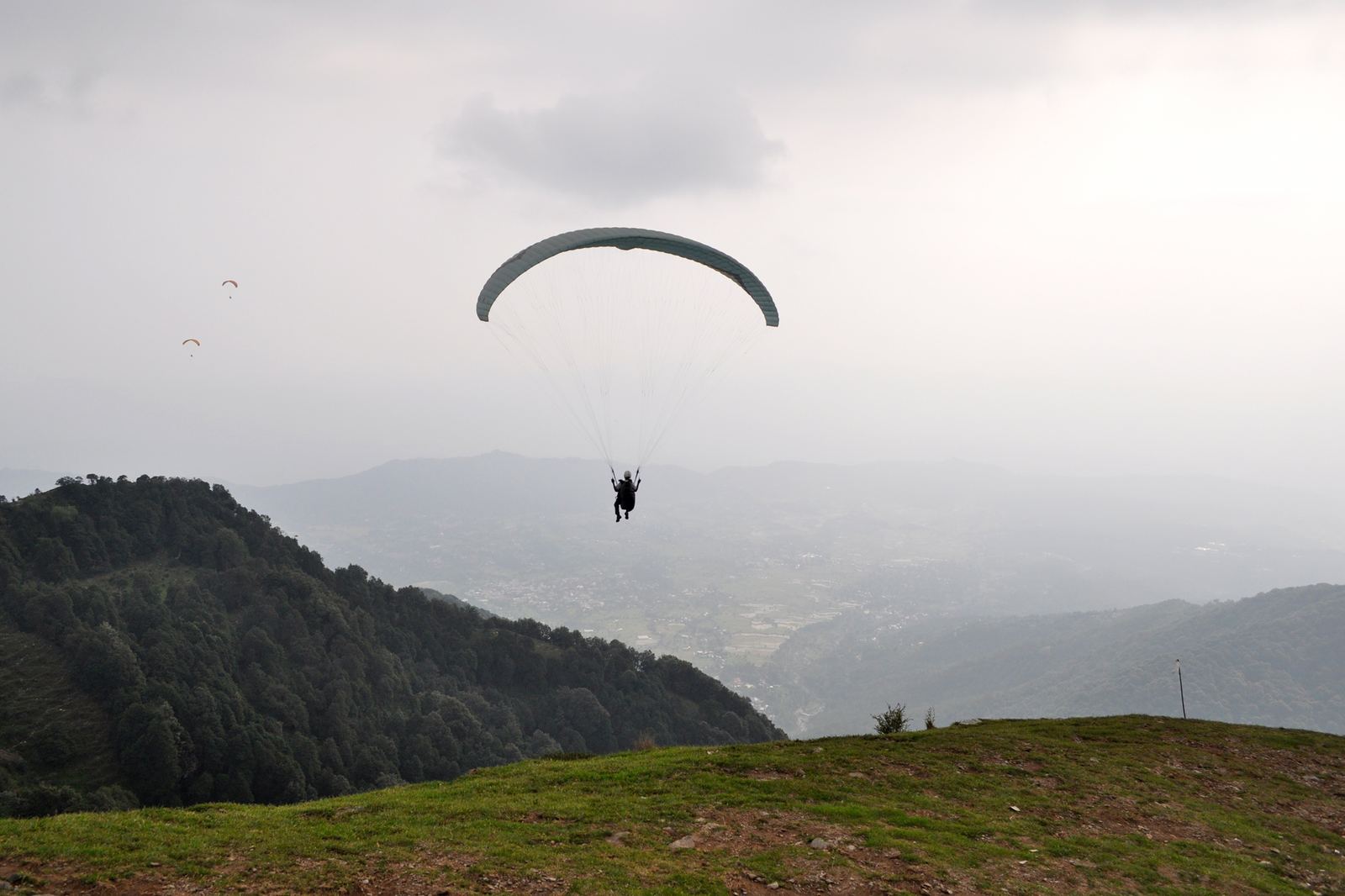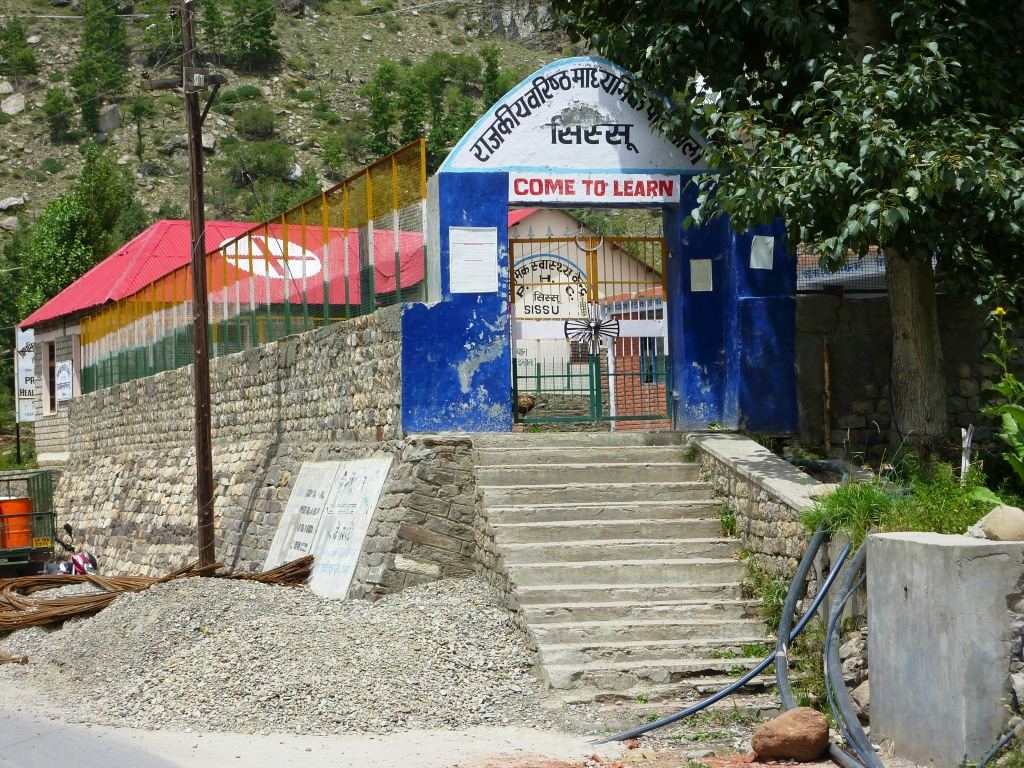
Kasol has a reputation problem. Half the internet treats it as a party postcode, the other half writes it off as overrun. Both takes miss the practical point: Parvati Valley is one of the easiest Himalayan valleys to reach from the plains, and one of the easiest to plan badly. Most bad trips here are not about the destination. They are about arrival timing, the last 31 kilometres, and treating monsoon like summer.
This guide covers the logistics that actually decide how the trip feels.
How to reach Kasol: the Bhuntar decision
Every Kasol trip passes through Bhuntar, the junction town where the Parvati river meets the Beas. From Delhi or Chandigarh, overnight Volvos on the Manali route drop you at Bhuntar early in the morning. From there it is roughly 31 kilometres up a narrower valley road to Kasol, about an hour and a half in normal conditions.
That last stretch is the part people under-plan. Local buses run but are infrequent and slow with luggage. Shared taxis fill up on their own schedule. If you are two or more people arriving off a night bus, a pre-arranged cab from Bhuntar is the difference between reaching Kasol for breakfast and standing at a junction negotiating at 6 a.m. The same logic we laid out for the Chandigarh to Manali corridor applies here: the highway leg is the easy part, the valley leg is where a confirmed ride earns its money.
If you are flying, Bhuntar is also where Kullu–Manali airport sits, which makes Kasol one of the few backpacker hubs in Himachal with an airport under an hour away — when flights operate, which in monsoon is its own gamble.
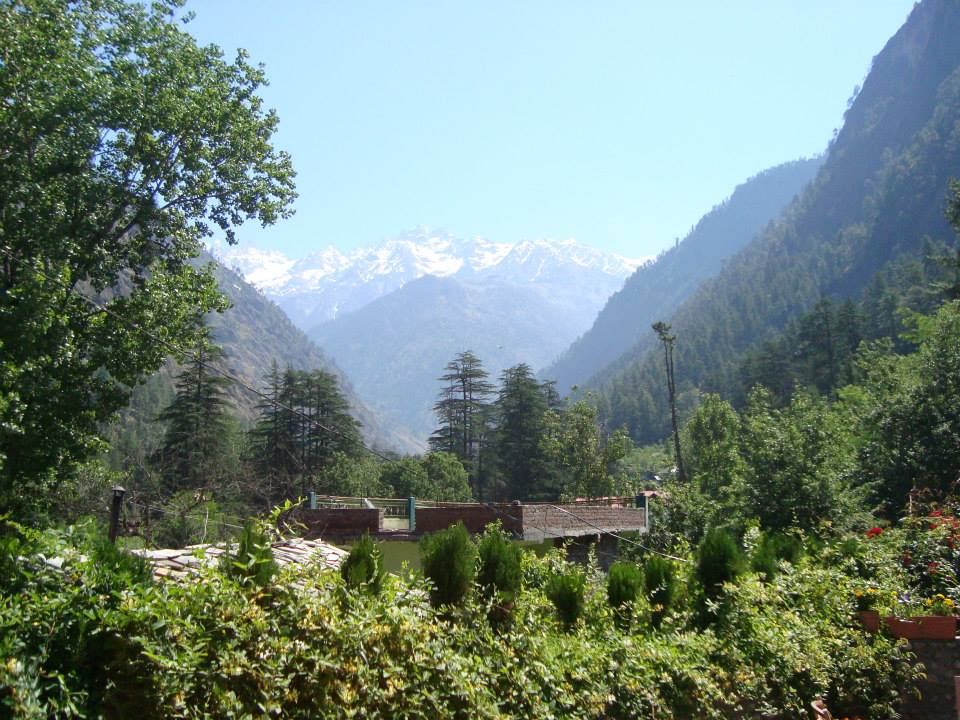
Photo: Wikipedia/Wikimedia contributors
A Parvati Valley itinerary that is not rushed
Three to four days covers the valley properly. A sensible shape:
Day one is arrival and Kasol itself. Walk the village, cross to Chalal on the footbridge, eat, sleep early. You came off a night bus; respect that.
Day two is Manikaran and the upper valley road. Manikaran's gurudwara and hot springs are a short drive from Kasol. If the road beyond is open, continue toward Barshaini, the roadhead for Tosh and Kheerganga. This is a day where keeping the cab with you by the hour beats point-to-point fares — distances are short, stops are many, and return transport from the upper valley thins out by late afternoon.
Day three is the trek day. Kheerganga is the classic: a half-day walk to hot springs at around 2,950 metres, overnight in a camp, walk down the next morning. Tosh is the gentler alternative if you want a village rather than a climb.
Day four is the buffer. In this valley, that is not optional padding. It is the day that absorbs a blocked road or a late start without wrecking your return bus.
Kasol in monsoon: what July and August actually change
The valley is genuinely beautiful in the rain — the forest goes deep green and the river runs loud. But monsoon here has teeth. The Bhuntar–Manikaran road sees regular landslide activity, and the stretch beyond Manikaran toward Barshaini can close for days, not hours. Trails to Kheerganga and Tosh get slippery in the forest sections, and this is not the season to trek alone.
The rules from our monsoon travel guide apply with extra force in Parvati: finish road sections in daylight, keep a buffer day, and skip riverside camping entirely — the Parvati rises fast. If the upper valley closes, Kasol and Chalal remain a perfectly good rain-season base on their own. Do not force the trek because the itinerary said so.
If you want monsoon greenery with fewer landslide-prone kilometres, the neighbouring Jibhi and Tirthan side of Kullu is the calmer alternative — same district, quieter roads.
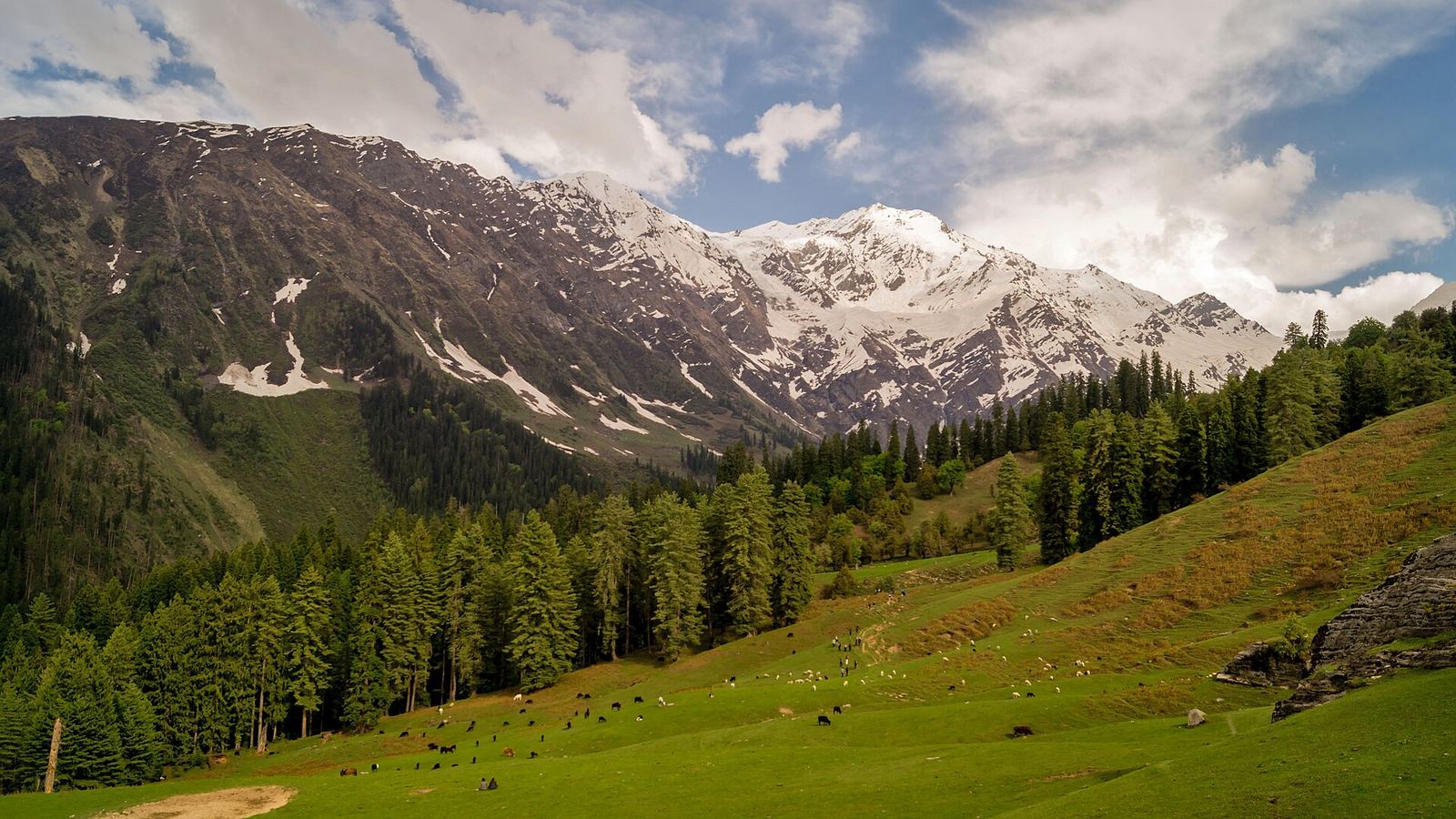
Photo: Wikipedia/Wikimedia contributors
What the trip costs in transport terms
Rough shape, not gospel: the Delhi–Bhuntar Volvo runs ₹1,500–2,000 each way. Bhuntar to Kasol is ₹50–80 by local bus or a few hundred rupees per head in a shared taxi; a private cab costs more but leaves when you land, not when it fills. Within the valley, Kasol–Manikaran–Barshaini day movement is best priced as an hourly package rather than three separate fares.
The honest math: transport is the smallest line item on a Parvati trip and the one most worth paying properly for. A saved ₹300 on the Bhuntar leg is a bad trade for two hours at a junction with rain coming in.
Where Himsafar fits
Himsafar's driver network in Kullu district is built for exactly these legs — the Bhuntar pickup off a night bus, the hourly Manikaran loop, the Barshaini drop with a confirmed return. Fares are agreed upfront and drivers keep the full amount, which matters in a valley where negotiation fatigue is part of the tourist experience. You can see how booking works on the how it works page or browse available rides.
The one-paragraph version
Reach Bhuntar overnight, have the valley leg arranged before you arrive, give the trip four days with the last one as a buffer, treat the road beyond Manikaran as conditional in monsoon, and let Kasol be a base rather than a checklist. The valley rewards travellers who move slowly through it — and quietly punishes the ones who try to do it in a weekend with no margin.
Why this matters
This guide is part of the demand map we are building for Himachal. If the route, activity or idea matters to you, joining the waitlist tells us to prioritize it.
What to do next
Open the related destination or service, preview the travel flow, and support the specific corridor instead of signing up generically.
Reader signal
Reading about Kasol helps us understand content demand. Waitlist joins help us understand launch demand.
Want this to become a real Himsafar route?
We are using the website to learn what people actually want us to build. Join the waitlist to show support for this kind of Himachal travel and get first access when matching routes open.
Himsafar Editorial
Destination guides