Kullu Dussehra 2026 is expected to run from Tuesday, 20 October to Monday, 26 October at Dhalpur Maidan in Kullu town. It begins on Vijayadashami — the day Dussehra ends elsewhere in India — and runs for seven days. There is no Ravana effigy burning. Instead, hundreds of village deities are carried to Dhalpur. Confirm the final schedule with the Kullu district administration before booking.
Quick facts
- Expected dates: 20–26 October 2026, starting on Vijayadashami
- Venue: Dhalpur Maidan, Kullu town (approximately 1,200 m)
- What happens: Rath Yatra of Lord Raghunath, Jaleb of Narsingh ji, 200–300 village devtas, Nati dancing, folk-dance festival, craft marts
- Nearest airport: Bhuntar (Kullu–Manali), about 10 km from Kullu
- From Delhi: approximately 560–570 km by road
- From Shimla: approximately 260 km via Mandi
- Crowds: the district administration describes turnout in the range of 4–5 lakh visitors across the week
- Book by: early October for buses and rooms; the week is one of Kullu's busiest
Why does Kullu Dussehra start when Dussehra ends everywhere else?
Because it is a different festival wearing the same name. The Ministry of Tourism's Utsav portal records that the week-long Kullu festival "begins on the day it ends elsewhere," a tradition traced to the 17th century when Raja Jagat Singh installed an idol of Lord Raghunath, brought from Ayodhya, at the palace temple in Kullu.
The other difference matters more on the ground: there is no Ravana effigy and no burning. Kullu Dussehra is a gathering of devtas. More than 300 village gods and goddesses from across Kullu district are carried down on decorated palanquins to pay obeisance to Lord Raghunath, each with its own musicians, bearers and village retinue. The festival opens with the arrival of Goddess Hadimba from Manali and centres on the hand-pulled wooden chariot procession of Raghunath ji across Dhalpur ground.
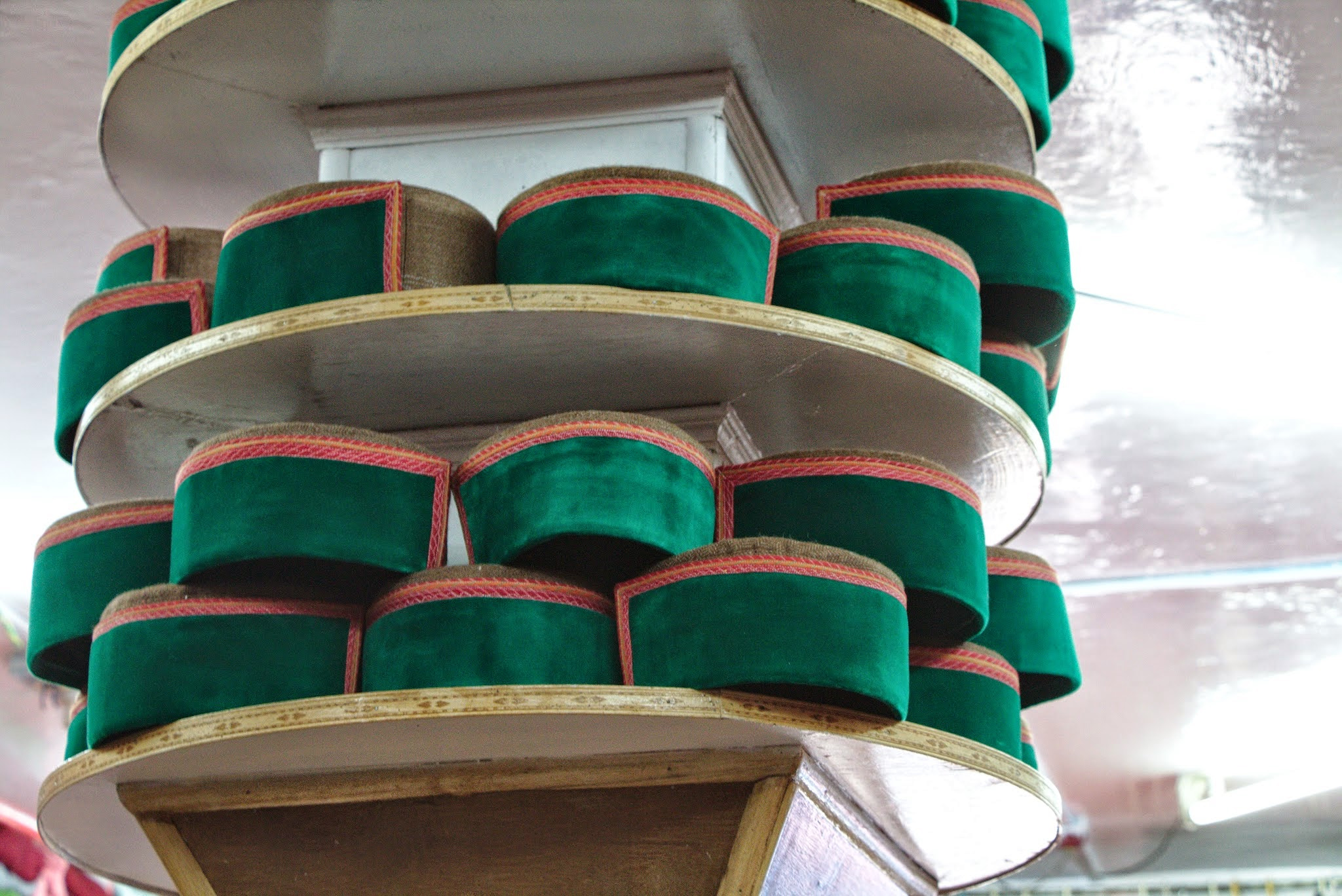
The festival was given international status in 1972, and the week now includes a folk-dance segment, cultural programmes at Kala Kendra, exhibitions, a sports meet and craft marts selling Kullu shawls and caps.
What happens on which day?
The rhythm is broadly consistent year to year, though the district administration issues the exact programme closer to the dates:
- Day 1 (Vijayadashami): the biggest day. Deities assemble, and the Rath Yatra of Lord Raghunath is pulled across Dhalpur ground before an enormous crowd.
- Days 2–5: the Jaleb — a formal procession of deities — takes place on selected days, alongside evening cultural programmes and the international folk-dance festival.
- Day 6: Kullu's traditional Nati and the wider Parampara cultural ensemble draw the local crowd.
- Day 7 (Lanka Dahan): the closing day, when the chariot moves towards the Beas riverbank and the deities disperse to their villages.
Published timings shift, so check the official Kullu Dussehra festival site and the Kullu district administration portal for the 2026 programme once it is released. If you can only make one day, make it the first or the last.
How do you reach Kullu for Dussehra?
Kullu town sits on the Chandigarh–Manali highway, so every route into the Kullu valley works — the question is which one suits your start point and how much of festival week you want to spend driving.
By air. Bhuntar (Kullu–Manali) Airport is roughly 10 km from Kullu town and is by far the shortest transfer, with flights from Delhi, Chandigarh and Shimla. The catch is reliability: Bhuntar is a narrow-valley strip and October mornings can bring visibility holds. Keep a road fallback in mind. Our Bhuntar Airport transfer guide covers fares and onward options.
From Delhi. The official festival site puts Delhi–Kullu at roughly 560–570 km via either Chandigarh–Bilaspur–Mandi or Karnal–Swarghat–Bilaspur–Mandi. Realistically that is 11–14 hours. The overnight Volvo is the standard choice; the practicalities are the same as the Delhi to Manali overnight route, with Kullu simply as the earlier stop.
From Shimla. About 260 km via Mandi, typically 7–9 hours. The Jalori Pass route through Ani and Banjar is shorter on paper at roughly 267 km but far slower, and it is a scenic drive rather than a festival-morning shortcut. Details on both are in our Shimla to Manali route guide.
From Chandigarh. Roughly 270–312 km depending on route, usually 7–9 hours. Solo travellers and pairs often find a shared seat better value than a full cab on this corridor — that is the case for shared routes on long Himachal legs generally.
When should you book, and where should you stay?
Book earlier than feels necessary. HRTC allows advance reservations up to 60 days ahead on its official online booking portal, which means seats for the 20 October opening day have been bookable since roughly late August. By early October, the Delhi and Chandigarh overnight services into the Kullu valley fill quickly.
On accommodation, Kullu town itself has limited rooms and they go first. Two practical approaches:
- Stay in Kullu if the deity processions are the point of the trip and you want to walk to Dhalpur early. Book weeks ahead.
- Stay in Manali, Bhuntar or Naggar — 10 to 40 km away — and travel in each day. More rooms, better choice, but you will be driving into festival traffic. A cab kept by the hour usually works better than point-to-point drops on days like these, because parking near Dhalpur is the real constraint, not distance.
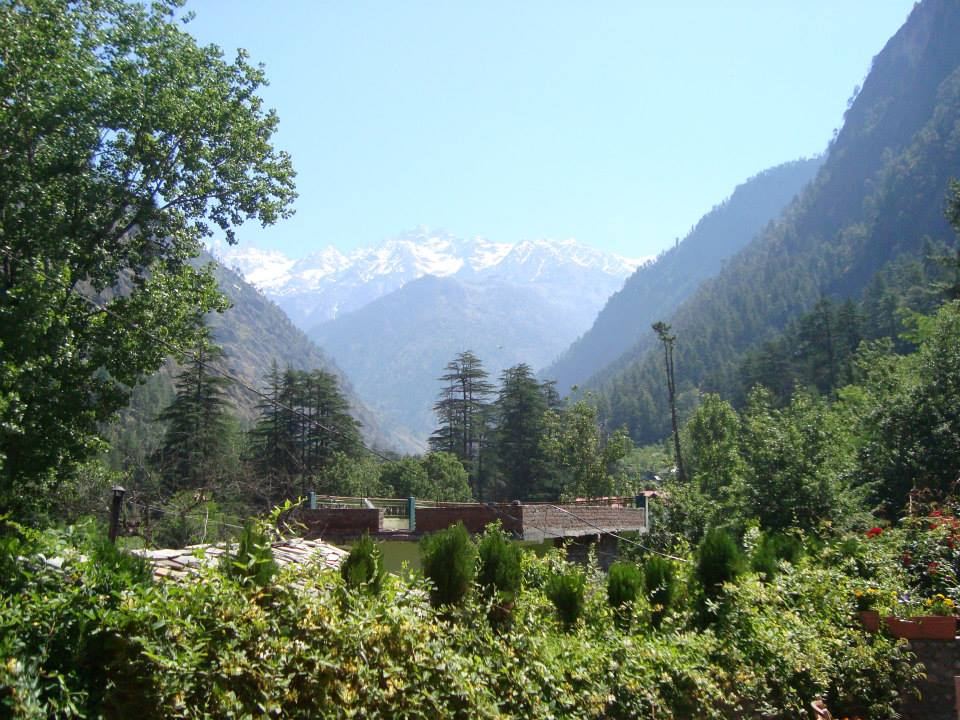
October weather is normally in Kullu's favour. The monsoon has typically withdrawn from Himachal by early October, leaving clear days and cold nights — carry layers for evening programmes that run late. Road conditions after a monsoon season can still vary, so check status before travelling rather than assuming.
Is Kullu Dussehra worth planning a trip around?
For anyone interested in living Himalayan folk tradition, yes — there is nothing else quite like several hundred village deities converging on one maidan. But go in with the right expectations. Dhalpur during Rath Yatra is a very large, very dense crowd. Families with small children or elderly travellers should aim for the quieter middle days, stay close to the ground, and avoid the first-day chariot crush.
If crowds are not your thing at all, late October is still an excellent time to be in the Kullu and Manali valleys generally — you can see the festival on one day and spend the rest of the week somewhere calmer. And whatever the plan, the usual hill-travel discipline applies: daylight driving, buffer time, no improvised late-night routes. That thinking is set out in our approach to mountain travel safety.
Frequently asked questions
What are the Kullu Dussehra 2026 dates? The festival is expected to run 20–26 October 2026, beginning on Vijayadashami (20 October). The Kullu district administration issues the official programme, so confirm before booking non-refundable travel.
Is Ravana burned at Kullu Dussehra? No. Unlike most of India, Kullu has no Ravana effigy. The festival is built around the Rath Yatra of Lord Raghunath and the gathering of village deities, closing with Lanka Dahan on the seventh day.
Where exactly is the festival held? At Dhalpur Maidan in Kullu town, with cultural programmes at Kala Kendra nearby.
Do I need a permit or ticket to attend? No permit or entry ticket is required for the public grounds. Seated enclosures and specific cultural programmes may have their own arrangements, which the district administration announces each year.
How far is Manali from Kullu? Roughly 40 km, typically 1.5 to 2 hours, and longer during festival week because of traffic through Bhuntar and Kullu town.
The practical recommendation
Pick your day first, then your route. If you want the spectacle, target 20 October and accept the crowds; if you want the culture without the crush, aim for the middle of the week. Book the HRTC seat or cab now rather than in October, stay within 40 km of Dhalpur, and treat parking — not distance — as the thing that will decide how your day goes.
Himsafar is currently in waitlist mode; if a reliable Kullu-valley transfer for festival week is what you need, joining the Kullu route waitlist helps us decide which corridors to open first.
Why this matters
This guide is part of the demand map we are building for Himachal. If the route, activity or idea matters to you, joining the waitlist tells us to prioritize it.
What to do next
Open the related destination or service, preview the travel flow, and support the specific corridor instead of signing up generically.
Reader signal
Reading about Kullu Dussehra helps us understand content demand. Waitlist joins help us understand launch demand.
Want this to become a real Himsafar route?
We are using the website to learn what people actually want us to build. Join the waitlist to show support for this kind of Himachal travel and get first access when matching routes open.
Himsafar Editorial
Destination guides