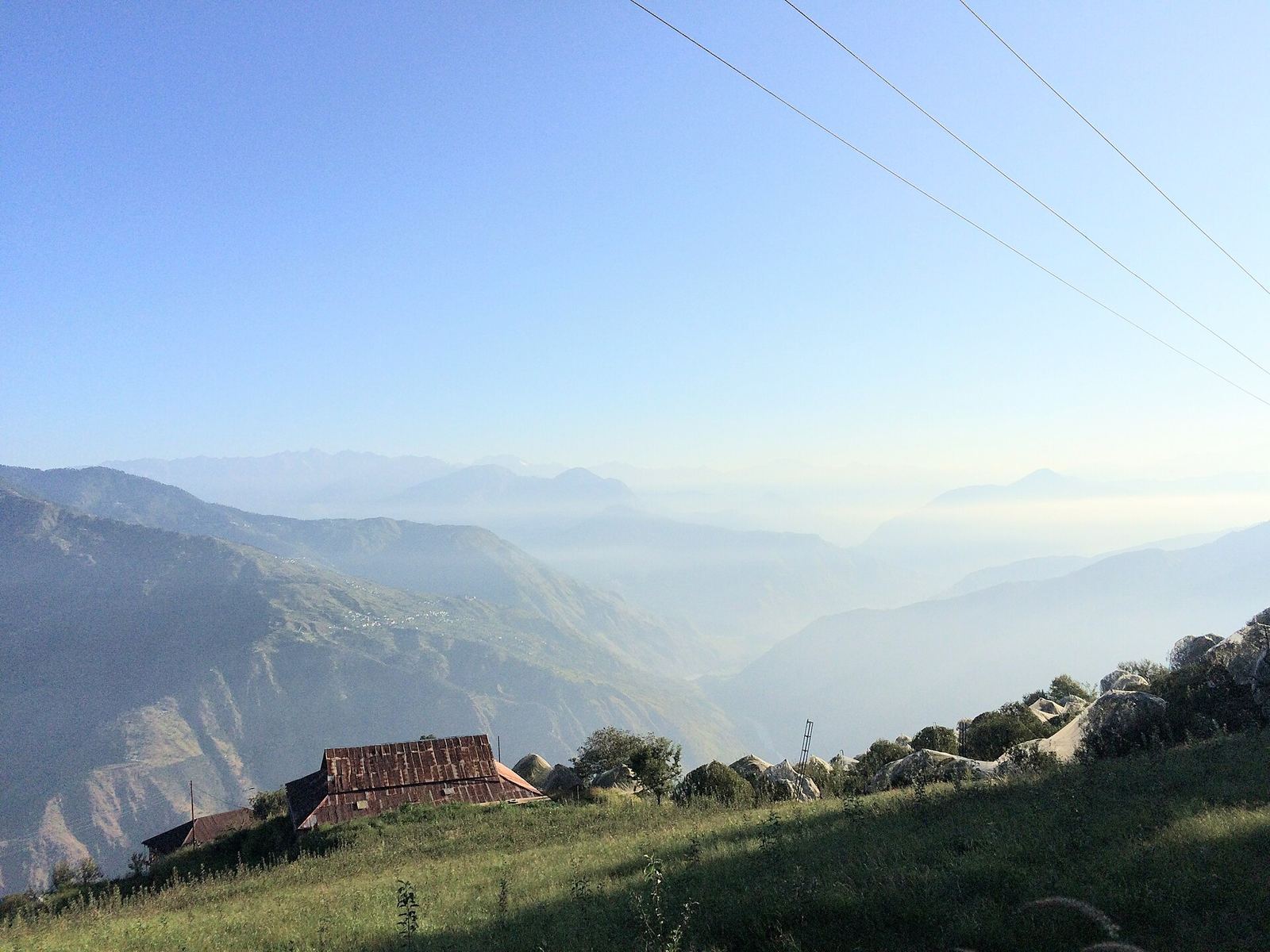
Yes, Malana can be visited from Kasol as a day trip. Drive roughly 25–30 km via Jari to the road-end near the Malana hydro project, then trek about 1–2 hours (1.5–4 km, depending on the drop point) uphill to the village. Overnight stays inside Malana have been barred by the village council since 2017, so start early and plan to be back down before dark.
Quick facts
- Kasol to Jari: approximately 9–10 km, roughly 20–25 minutes by road
- Jari to Malana road-end: approximately 16–23 km by taxi (figures vary by source and exact drop point), typically 45–60 minutes
- Trek from road-end to village: roughly 1.5–4 km, 1–2 hours, with a descent, a river crossing and a climb
- Overnight stays in Malana: banned since 2017 — day visits only
- Entry: no fee or permit for Indian citizens; foreign nationals typically register at the checkpoint near the power house
- Best months: roughly March–June and September–November; avoid July–August (monsoon landslide risk)
How do you get from Kasol to Malana?
Most day trips start the same way: Kasol to Jari on the main Bhuntar–Kasol road, then a turn up the Malana valley. From Jari, a hired taxi (small cars, roughly ₹800–900 one-way, SUVs more, per local route estimates worth reconfirming on the day) covers the drivable stretch to a road-end near the Malana hydroelectric project. This last approach road is narrow and has a history of landslides and flash-flood damage around the dam area, so a local driver who knows current conditions is worth more here than on most Himachal day trips.
From the road-end, there is no vehicle access into Malana itself. The final approach is on foot: a marked trail that drops toward a river, crosses a bridge, then climbs a stone-stepped path into the village. Wear proper trekking shoes rather than sandals — the descent-then-ascent shape of the trail surprises people who expect a flat walk in.
If you are already based in the Kasol and Parvati Valley area, give Malana its own day rather than bolting it onto a Kheerganga or Manikaran plan — the road and trek alone can fill five to six hours round trip. Travellers flying in via Bhuntar Airport should treat it as a separate day after settling into Kasol.
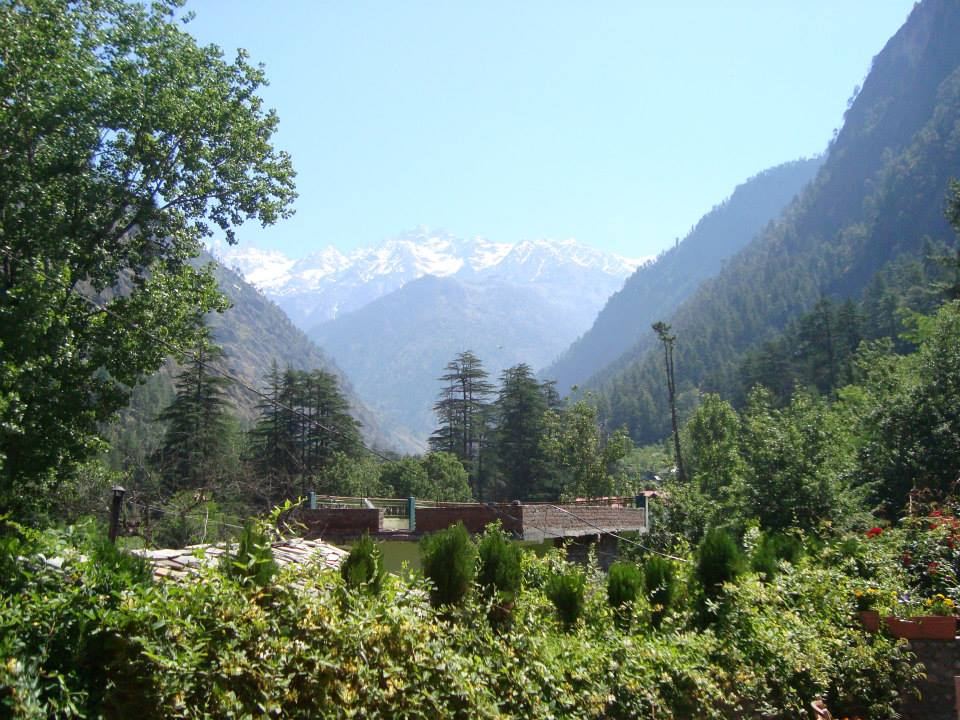
Photo: Wikipedia/Wikimedia contributors
What are the rules inside Malana village?
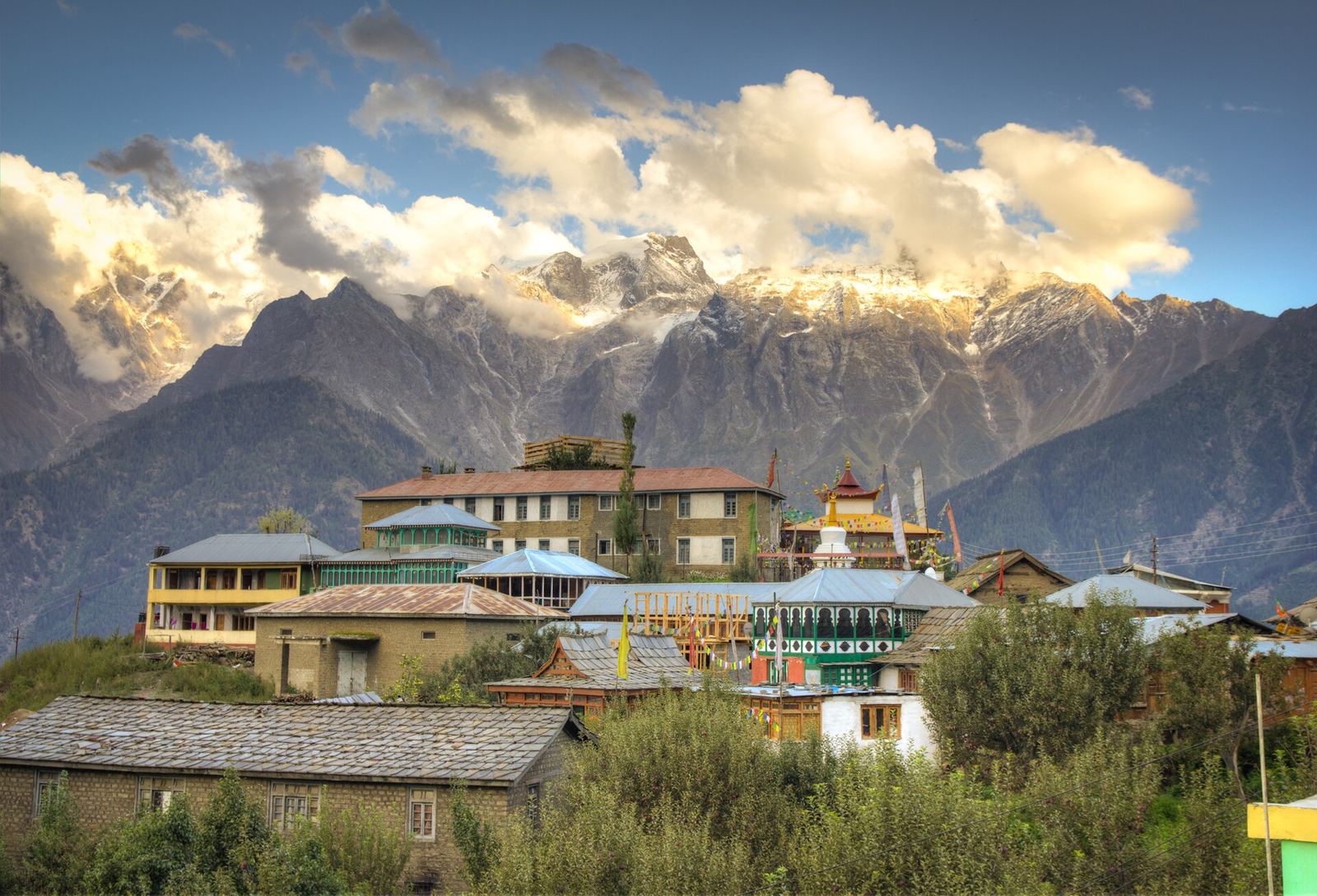
Malana is a functioning village with its own centuries-old system of local self-governance, not a staged attraction, and visitors are expected to behave accordingly. The rules that matter most for a first-time visitor:
- Do not touch villagers, their homes, walls, shop counters or temple structures. Payments for food or souvenirs are often placed down rather than handed over directly.
- Do not enter temples. The village's two main temples are closed to outsiders; admire them from outside.
- Ask before photographing people. Buildings and landscapes are generally fine; individuals are not, without permission.
- Carry your rubbish back out. The trail and village have limited waste infrastructure.
These customs stem from local beliefs around ritual purity that the village has maintained for generations, according to The Tribune's reporting on Malana's local governance. Visitors who find the customs unfamiliar should still follow them — they are enforced by the village council, not treated as optional local colour.
Can you stay overnight in Malana?
No. Guesthouses inside Malana were ordered to stop hosting overnight tourists in 2017, and that restriction has held since. Day visits remain welcome; if you would rather not commute back the same day, Jari and Kasol have the usual range of homestays within easy reach of a second attempt the next morning.
When is the best time to visit Malana?
The Parvati Valley's usual dry windows apply here too: roughly March to June, and September to November, matching the best-time guidance for the wider Kasol–Parvati region. Late September through November is a particularly practical stretch — post-monsoon trails have mostly dried out, river levels have dropped from their monsoon peak, and the worst landslide risk on approach roads has usually passed. July and August should generally be avoided: this is when the region sees its heaviest rain, and the Malana valley's roads and the dam area have a documented history of flash floods and blockages in that window.
That said, monsoon in Himachal does not switch off on a calendar date. As of mid-September 2026, Kullu district still had scattered road closures from lingering rain, alongside heavier disruption in Mandi and Kangra, according to a regional travel-alert roundup. Check locally in Jari or Kasol on the morning you travel rather than assuming the season has fully turned.
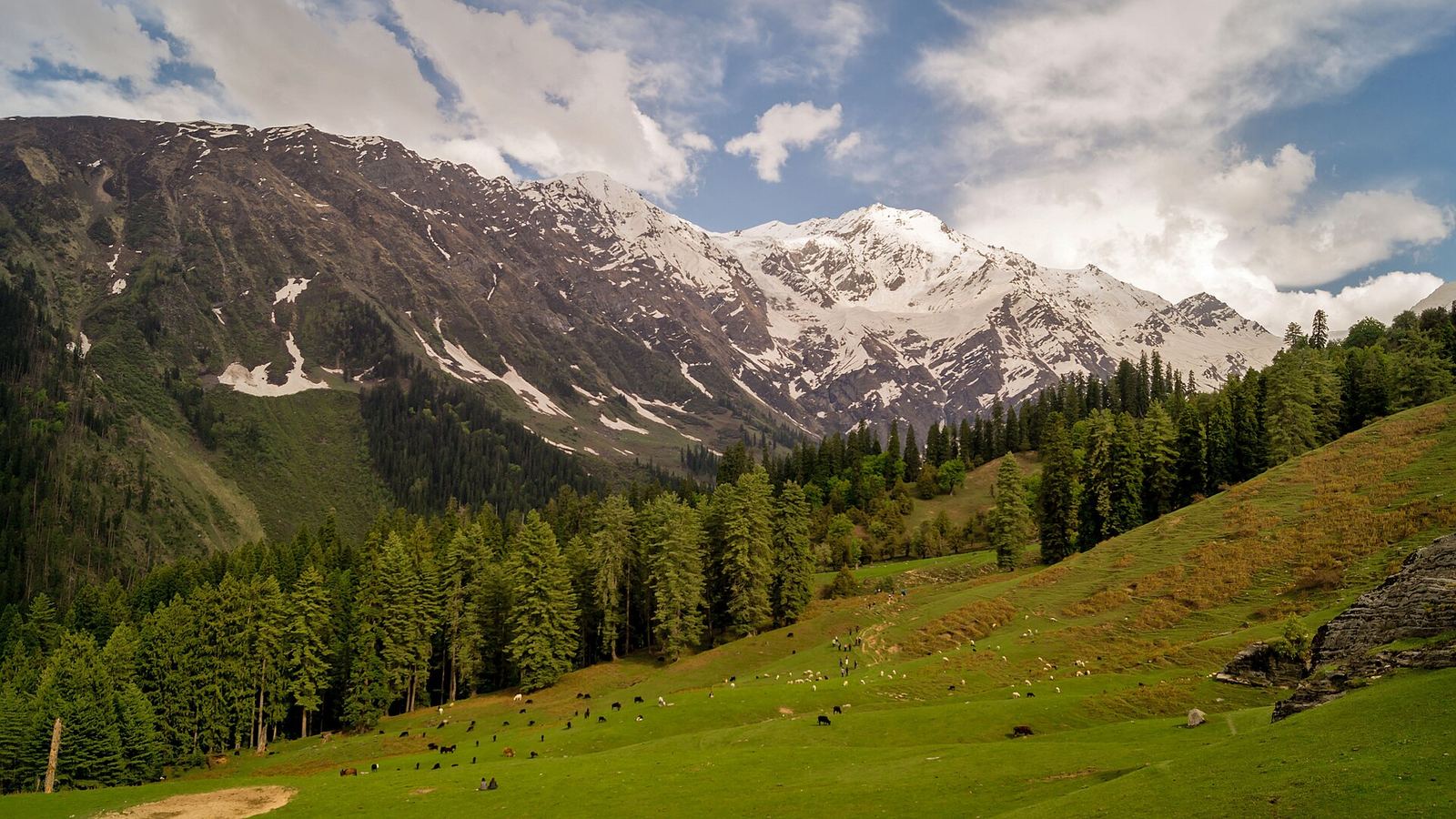
Photo: Wikipedia/Wikimedia contributors
What should different travellers know before going?
Families with young children or elders should weigh the trek honestly — the uneven, stepped path and river crossing are not stroller- or cane-friendly, and there is no shortcut past the road-end. Solo travellers and first-timers are fine on the marked trail in daylight but should start early enough to clear the descent before dusk, since lighting is absent and phone signal is patchy beyond Jari. Photographers will find the village itself the best stretch, but should not plan a sunset shoot from inside it — you need to be off the trail well before dark.
A day plan with a waiting vehicle works better here than point-to-point drops, since return transport from Jari thins out by late afternoon — the logic behind hourly rentals for Himachal day trips. The general safety guidance for hill travel on weather buffers and daylight timing is worth reading beforehand too. Himsafar is currently building this route into its waitlist coverage rather than running live bookings, so for now, arrange your Jari taxi locally or through your homestay.
Frequently asked questions
Is Malana open to tourists right now? Yes, for day visits. There is no general entry ban — the 2017 restriction covers overnight stays, not daytime visits.
Do I need a permit to visit Malana? Indian citizens do not need a permit. Foreign nationals are typically asked to register at a checkpoint near the power house; carry ID either way.
Can I hire a taxi directly from Kasol to Malana? You can book a taxi from Kasol, but most drivers still route you through Jari and hand off to a local vehicle for the final stretch to the road-end, since that is the road drivers from outside the valley know least well.
Is the Malana trek difficult? It is short but not gentle — a descent, a river crossing and a stepped climb, roughly 1–2 hours each way. Reasonable fitness and proper shoes are enough for most healthy adults; it is not stroller- or wheelchair-accessible.
What happens if I break one of the local rules by mistake? Genuine mistakes by visibly unfamiliar tourists are usually met with a correction rather than a confrontation, but repeated or deliberate disregard for the rules — especially touching temple structures — is taken seriously by the village council. When in doubt, watch and follow a local guide's lead.
The practical recommendation
Treat Malana as a full day, not a quick detour: book a driver who knows the current road condition, start early from Kasol or Jari, keep the no-touch and no-temple-entry rules in mind before you arrive rather than learning them at the gate, and build in a buffer for the trek back down before dark. Visited this way, Malana remains one of the more distinctive short trips in the Parvati Valley rather than a rushed box to tick.
Why this matters
This guide is part of the demand map we are building for Himachal. If the route, activity or idea matters to you, joining the waitlist tells us to prioritize it.
What to do next
Open the related destination or service, preview the travel flow, and support the specific corridor instead of signing up generically.
Reader signal
Reading about Malana helps us understand content demand. Waitlist joins help us understand launch demand.
Want this to become a real Himsafar route?
We are using the website to learn what people actually want us to build. Join the waitlist to show support for this kind of Himachal travel and get first access when matching routes open.
Himsafar Editorial
Destination guides