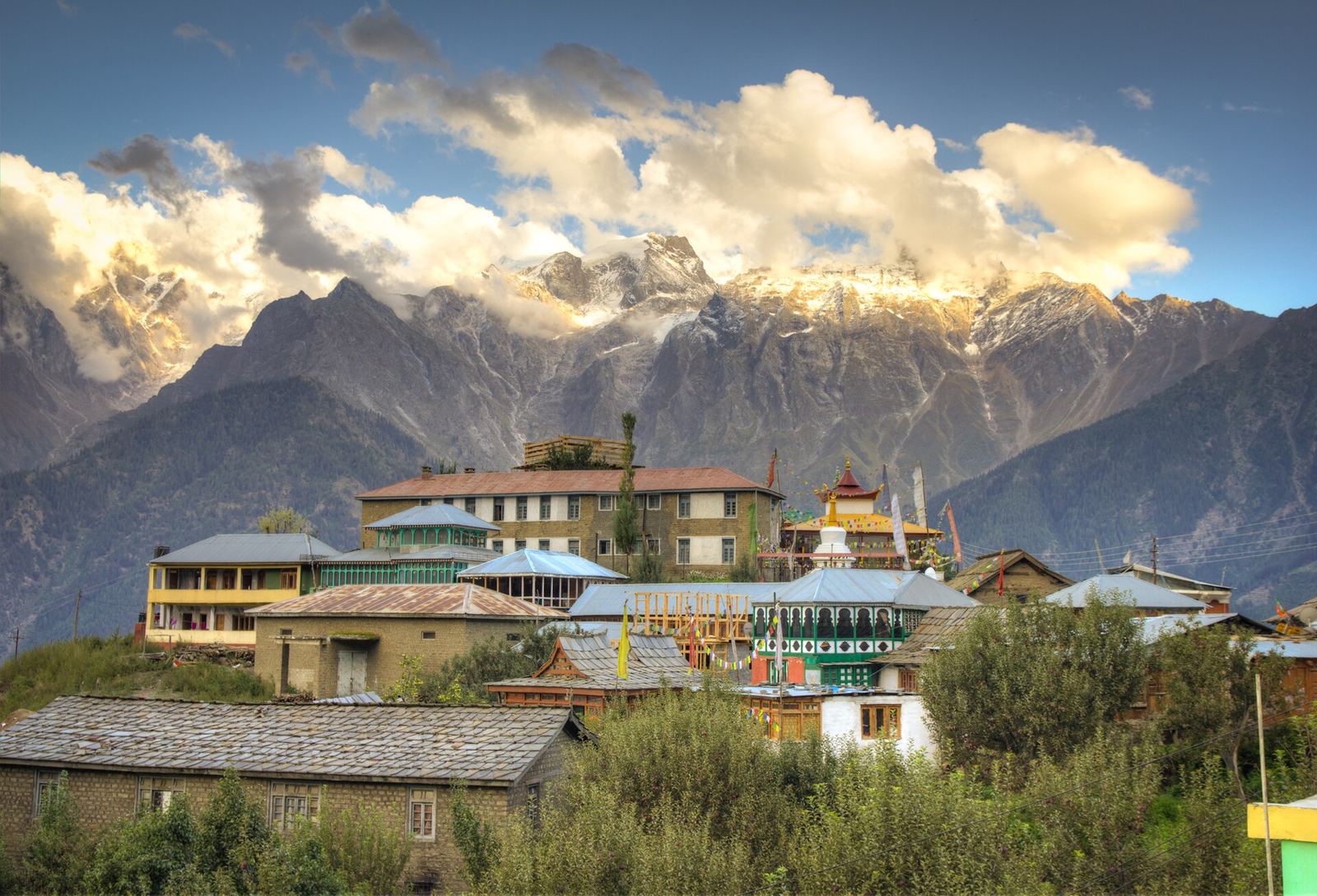
Pathankot to Dalhousie is about 85 km and usually takes three to three and a half hours by road, climbing through Dunera and Banikhet. An HRTC bus costs roughly ₹150–250 and runs through the day; a private taxi typically costs ₹2,200–3,500 one way and saves close to an hour. Khajjiar lies a further 22–24 km beyond Dalhousie.
Quick facts
- Distance: Pathankot to Dalhousie approximately 85 km; Pathankot to Khajjiar approximately 94–95 km, per the Chamba district administration
- Typical drive time: 3–3.5 hours to Dalhousie by taxi, 3.5–4.5 hours by bus
- Altitude gain: Pathankot sits in the Punjab plains; Dalhousie is spread across ridges at roughly 1,900–2,100 m
- Khajjiar: 22–24 km from Dalhousie, at about 6,500 ft (1,980 m)
- Chamba town: 45 km from Dalhousie
- Best months: March–June and September–November; December–February for snow, with road risk
How long does the Pathankot to Dalhousie drive actually take?
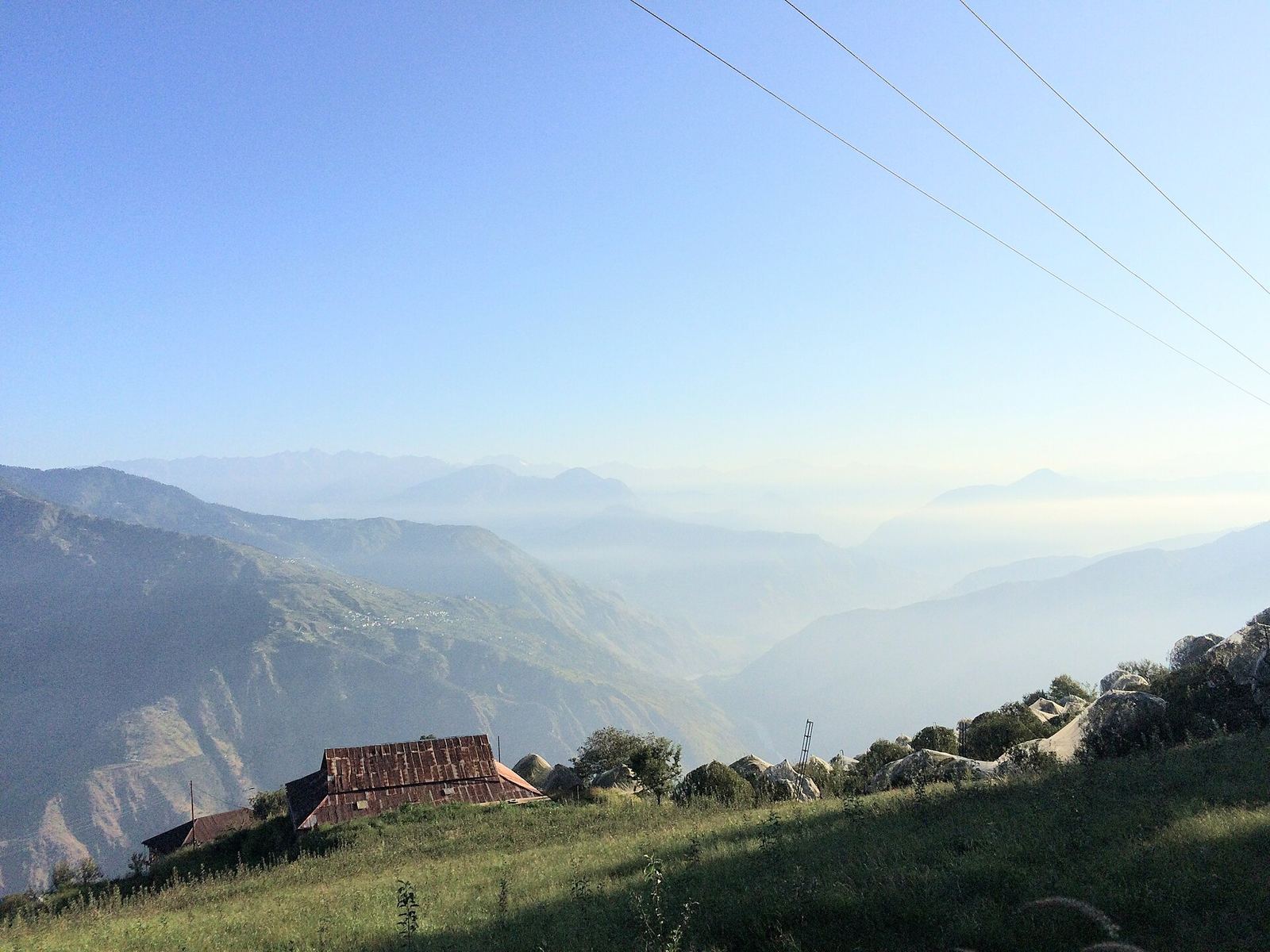
Plan for three to three and a half hours in a private vehicle and closer to four by bus. The first 30–35 km out of Pathankot are flat and fast. After Dunera the road starts climbing seriously, and the final stretch through Banikhet into Dalhousie is a steady series of switchbacks where average speeds drop to 25–30 km/h.
Two things stretch the clock. Weekend and holiday traffic backs up on the narrow Banikhet approach, and road widening or landslide clearance work on the Pathankot–Chamba highway can hold traffic for 15–30 minutes at a stretch. Add a buffer of an hour if you have a hotel check-in, a connecting bus, or elderly travellers who need a tea stop.
Night driving on this road is best avoided. Once you are past Dunera there is very little lighting, the drop-offs are unforgiving, and there is no meaningful advantage to arriving in Dalhousie after dark.
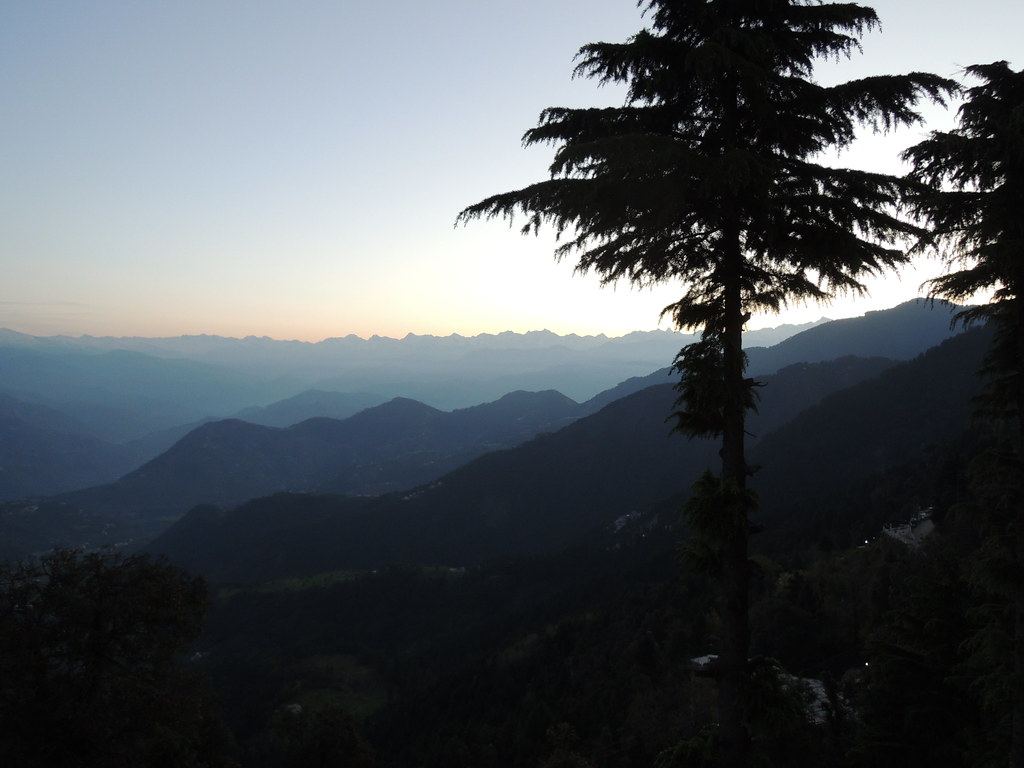
Should you take the HRTC bus or a taxi from Pathankot?
HRTC bus. Himachal Road Transport Corporation runs services from its Pathankot stand into Chamba district through the day, and the corporation's own online reservation system is the place to check live timings and fares rather than relying on aggregator listings. Ordinary services are cheap — typically in the ₹150–250 band — and the buses themselves are perfectly usable. The trade-offs are luggage space, no door-to-door drop in Dalhousie's spread-out bazaar and Gandhi Chowk area, and no flexibility if your train runs late.
Private taxi. Expect roughly ₹2,200–3,500 one way for a hatchback or sedan, and more for an SUV or for a Khajjiar detour. Rates rise in peak season and around long weekends. These are approximate figures — confirm the quote, the vehicle type and whether tolls and parking are included before you set off, and take a picture of the number plate.
Shared seats. On a route this long, a shared seat splits the taxi economics several ways while keeping the door-to-door benefit. Himachal's hill routes are where this model makes the most sense, and it is one of the reasons we are mapping shared corridors across the state before launch.
A practical rule: if you are two people with light bags and a flexible afternoon, the bus is fine. If you have three or more travellers, checked luggage, a late train, or anyone who struggles with mountain roads, the taxi is worth the difference.
How do you add Khajjiar to the trip?
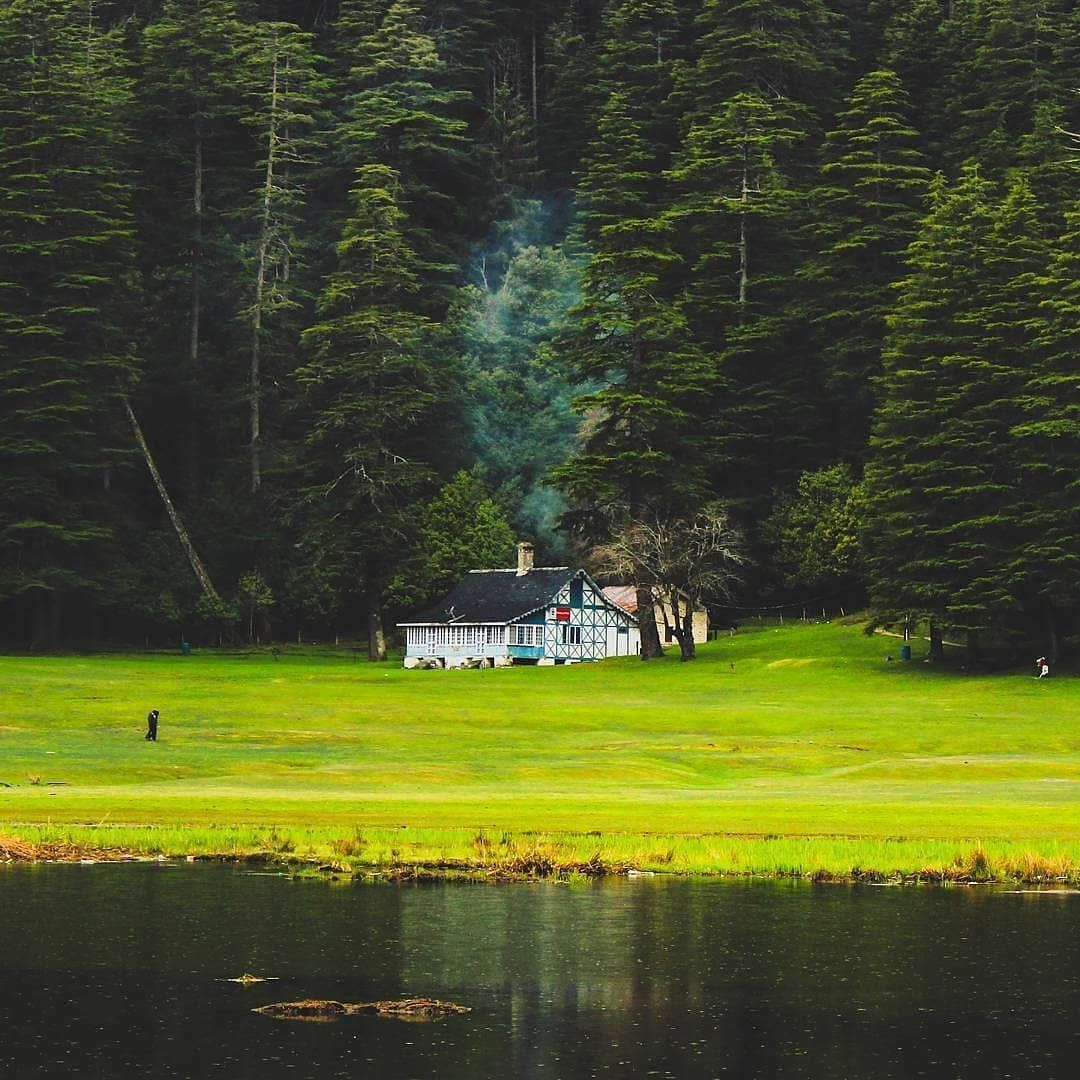
Khajjiar is the meadow most people picture when they think of this corner of Himachal — a saucer-shaped plateau ringed by deodar, which the district administration notes was formally twinned with Switzerland in 1992.
There are two ways in:
- Via Lakkar Mandi — the short, high road from Dalhousie, roughly 22–24 km, tops out near 2,500 m and takes about an hour. This is the scenic option.
- Via Chamba town — longer but lower, useful when the Lakkar Mandi stretch is closed. Khajjiar sits about 22–23 km from Chamba.
The Lakkar Mandi road is the one to watch. It is genuinely snow-sensitive: The Tribune has reported traffic disruption on the Dalhousie–Lakkar Mandi–Khajjiar route from unseasonal snowfall as late as June. In December, January and February, assume it can close at short notice and ask your driver or hotel about current status on the morning you travel.
If Khajjiar is the point of the trip rather than a stop, the sensible structure is a day out of Dalhousie with the car kept on hourly hire, not a one-way drop. That lets you sit at the meadow, walk to the Khajji Naga temple and still get back before the light goes. We have written more about how this fits into a longer Dalhousie, Khajjiar and Chamba circuit, and the Dalhousie and Khajjiar destination page covers what is actually worth your time once you are there.
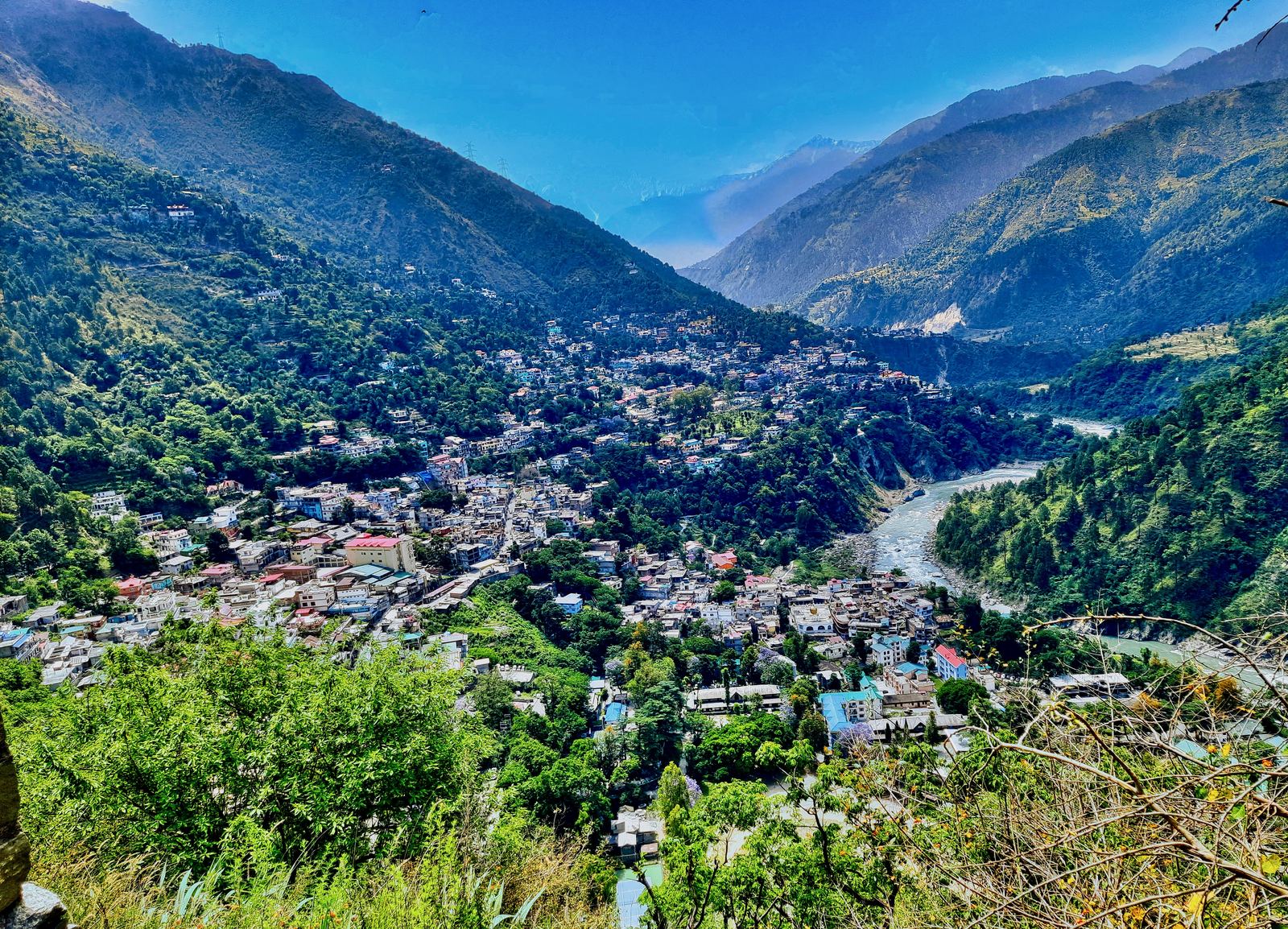
Which Pathankot arrival point should you plan around?
Pathankot has more than one railway station — Pathankot Cantt and Pathankot Junction, with Chakki Bank nearby — and they are not interchangeable for a taxi pickup. Check your ticket for the exact station and share it when you arrange the transfer. The same discipline applies on the return: build in at least 45 minutes of slack.
By air, Pathankot's own airport has only ever had limited regional service and should not be assumed to be operating on any given date. In practice, most travellers fly into Gaggal (Kangra) or Amritsar and drive from there; Amritsar is roughly 213 km from Dalhousie and Kangra around 106 km. If you are coming from the Kangra side, our Pathankot to Dharamshala and McLeod Ganj guide covers the same railhead from the other direction.
When is the best time to travel this route?
September to November is arguably the strongest window. The monsoon has cleared, the Dhauladhars are visible, Khajjiar's meadow is green, and the roads are in better shape than they are in July or August.
March to June is the classic season, busy but reliable, with Khajjiar at its most crowded in May and June.
December to February brings snow and the real possibility of the Khajjiar road closing. Go for the snow if that is the point, but keep the itinerary loose.
July and August mean landslide and shooting-stone risk on hill highways. If you travel in monsoon, drive in daylight, keep buffers, and read our notes on travelling safely in Himachal first.
Frequently asked questions
How far is Dalhousie from Pathankot railway station? About 85 km by road, per the Chamba district administration, taking roughly three to three and a half hours by car.
Is there a direct bus from Pathankot to Khajjiar? There is no reliable direct service. Most travellers take a bus to Dalhousie or Banikhet and arrange local transport onward to Khajjiar.
Can I do Dalhousie and Khajjiar as a day trip from Pathankot? It is possible but rushed — roughly seven hours of driving plus sightseeing. One night in Dalhousie or Banikhet makes the trip much better.
Is the Khajjiar road open in winter? Not always. The Lakkar Mandi route closes with snow; the longer route via Chamba is the fallback. Check on the day.
Do I need a permit for Dalhousie or Khajjiar? No. Both are open to all domestic and foreign travellers without a permit.
The practical recommendation
For most people arriving by train, the best version of this trip is a private or shared taxi from Pathankot to Dalhousie in the morning, a night in Dalhousie, and Khajjiar the next day on an hourly-hire basis rather than a one-way drop. The bus is a genuinely good option if you are travelling light and are not tied to a schedule.
Whichever you choose, fix the fare before you leave the station, travel the climb in daylight, and treat the Khajjiar road as conditional between December and February.
Why this matters
This guide is part of the demand map we are building for Himachal. If the route, activity or idea matters to you, joining the waitlist tells us to prioritize it.
What to do next
Open the related destination or service, preview the travel flow, and support the specific corridor instead of signing up generically.
Reader signal
Reading about Routes helps us understand content demand. Waitlist joins help us understand launch demand.
Want this to become a real Himsafar route?
We are using the website to learn what people actually want us to build. Join the waitlist to show support for this kind of Himachal travel and get first access when matching routes open.
Himsafar Editorial
Destination guides