Travelling from Amritsar to Dharamshala or McLeod Ganj is almost always a road journey. The distance is approximately 200–215 km and a private taxi typically takes about 4.5 to 6 hours via Pathankot and the Kangra Valley. There is no direct train or flight to Dharamshala, so most travellers pre-book a cab or take an HRTC or Volvo bus.
Amritsar is a popular starting point because Sri Guru Ram Dass Jee International Airport (ATQ) usually has far more flights than the small Kangra (Gaggal) airport, and many visitors pair the Golden Temple with a few quiet days in the Dhauladhar. This guide covers the practical choices, approximate costs and the monsoon caveats to check before travelling.
Quick facts
- Road distance: approximately 200–210 km to Dharamshala; about 210–220 km to McLeod Ganj (the extra climb above Dharamshala)
- Driving time: typically 4.5–6 hours by taxi; longer in heavy monsoon rain
- Main route: Amritsar → Pathankot → Mukerian/Kangra Valley → Dharamshala, largely on NH-54 and NH-154
- No direct train or flight to Dharamshala; the nearest airport is Gaggal (DHM), about 13 km from town
- Bus: HRTC and private Volvo operators run this route; ordinary fares start low, AC/Volvo cost more
- Best planned: as an early-morning departure so you arrive in daylight
How far is Dharamshala from Amritsar, and how long does it take?
By road, Dharamshala is roughly 200–210 km from Amritsar, and McLeod Ganj sits about 9–10 km higher up the hill. Most published distances land between 200 and 215 km depending on the exact route and your pickup point in Amritsar city or at the airport.
A private taxi typically covers this in about 4.5 to 6 hours, including a tea or meal stop near Pathankot or Mukerian. Buses usually take a little longer because of boarding stops. These are dry-weather estimates; during the monsoon, slow-moving traffic and diversions can add an hour or more, so it is sensible to keep the day flexible rather than stack a tight onward plan.
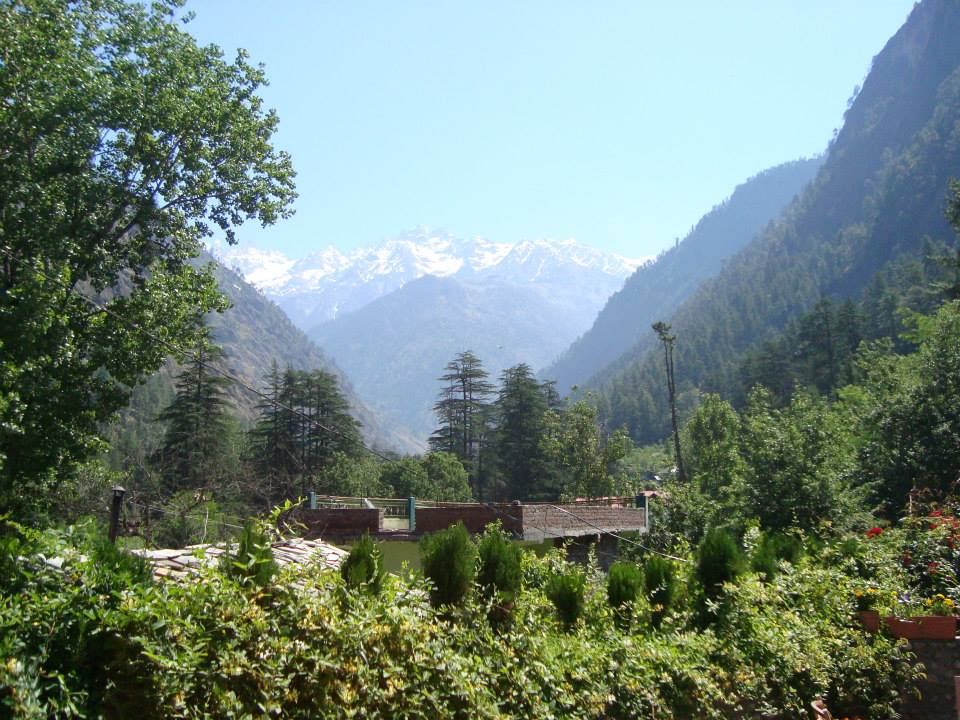
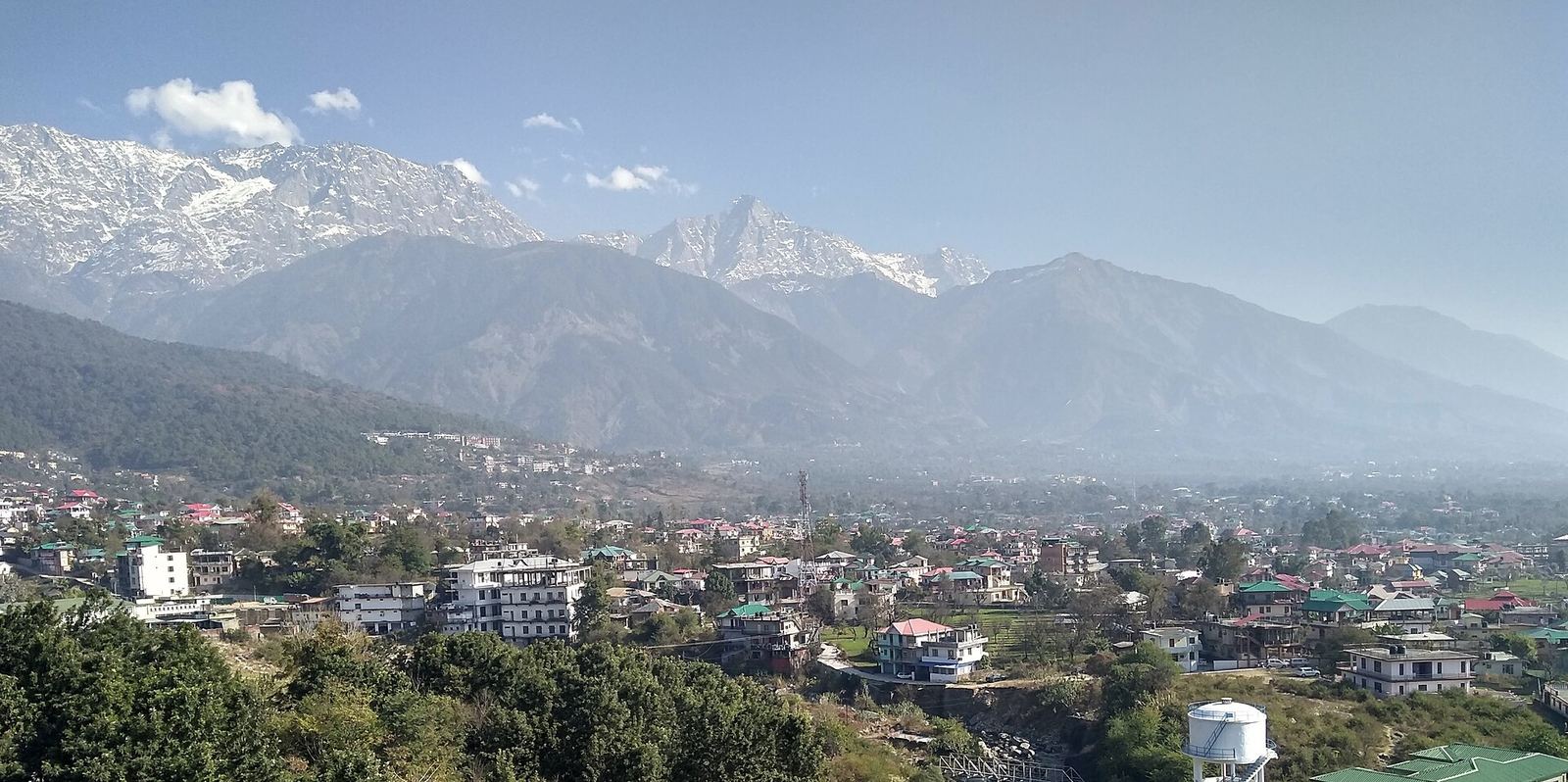
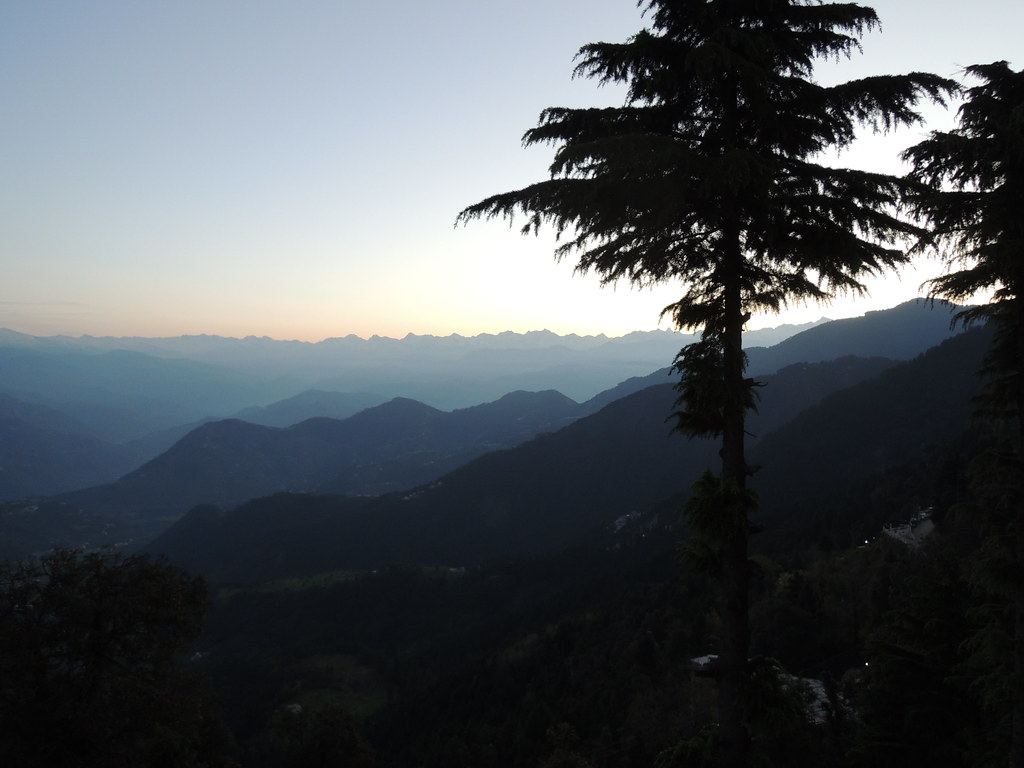
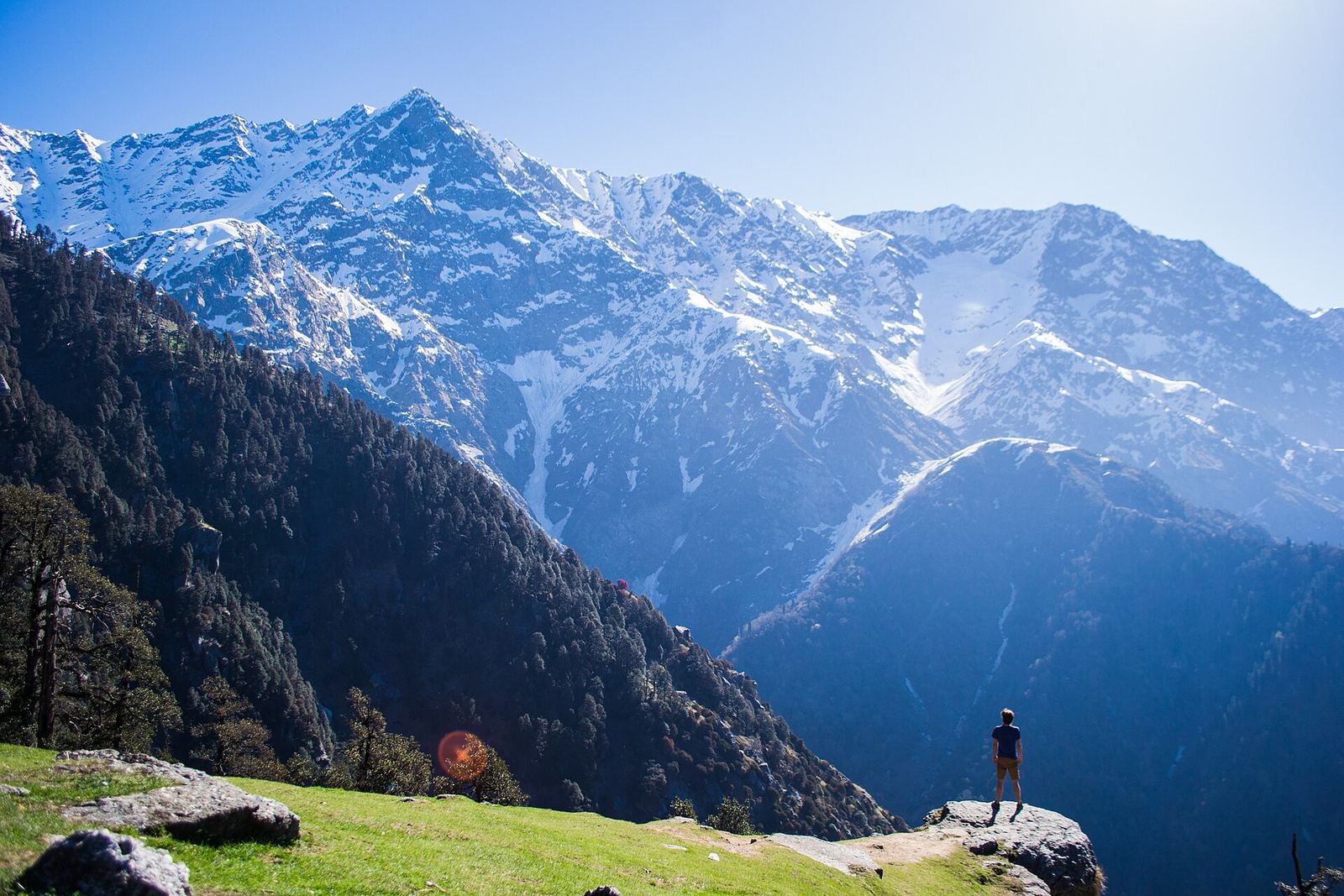
The road runs mostly through the plains until Pathankot, then eases into the Kangra Valley with the Dhauladhar range coming into view. There are no high passes, so it is a comfortable drive by Himachal standards — one reason the Amritsar approach suits families and first-time visitors.
Should I take a taxi from Amritsar to Dharamshala?
A private taxi is the most flexible option, especially if you are carrying luggage, travelling with family or arriving on a late flight. You get a door-to-door transfer, control over stops and no changeovers. Based on operator listings, a one-way private cab is commonly quoted in the region of ₹3,200–4,000 for a hatchback or sedan, with larger SUVs costing more. Treat these as approximate figures and confirm the fare, vehicle type and any night charges before you set off, as prices vary with fuel costs, season and vehicle.
If you are flying in, Amritsar airport is only about 11 km from the city centre, so a pre-arranged pickup avoids negotiating at the arrivals kerb. A preset fare works better than bargaining — the same logic we cover in our Gaggal Airport transfer guide for travellers who fly directly into Kangra.
HimSafar is currently in waitlist mode rather than live bookings, but the platform is built around preset, driver-direct fares for exactly these hill transfers — more on the approach on the how HimSafar works page.
What about the bus from Amritsar to McLeod Ganj?
Buses are the budget-friendly choice. The Himachal Road Transport Corporation (HRTC) runs services on this route, and private Volvo operators such as the Golden Temple service also connect Amritsar with Dharamshala and McLeod Ganj. Ordinary HRTC fares are low — often starting well under ₹500 — while AC and Volvo seats cost more, typically in the several-hundred to around ₹1,000 range depending on the bus and season.
You can check live timings and book HRTC seats on the official HRTC portal. Ordinary buses run through the day, while some Volvo services operate overnight. A bus is a good pick for solo travellers and those on a budget who do not mind fixed boarding points and a slightly longer ride. If you are weighing a shared seat against a full cab, our note on shared seats versus the HRTC bus breaks down the trade-offs.
Is there a train from Amritsar to Dharamshala?
Not directly. Dharamshala has no railway station of its own. The practical rail option is to take a train from Amritsar to Pathankot (roughly 110 km, usually 2.5–3.5 hours), then continue by taxi or bus for the remaining stretch into the Kangra Valley.
From Pathankot, some travellers also try the scenic Kangra Valley narrow-gauge railway, but it is slow and better treated as an experience than a time-efficient transfer. For a full breakdown of the onward leg, see our Pathankot to Dharamshala and McLeod Ganj transfer guide. In short, a train makes sense only if you already prefer rail to Pathankot; otherwise a through road journey from Amritsar is simpler.
Which option suits which traveller?
- Families and older travellers: a private taxi, for the door-to-door comfort and luggage ease.
- Solo and budget travellers: an HRTC or Volvo bus, ideally an AC service booked in advance.
- Rail lovers: train to Pathankot, then a short cab or bus into Kangra.
- Late-night arrivals: a pre-arranged cab, so you are not searching for transport after dark.
Monsoon and road safety: what to check before travelling
Late July and August fall squarely in the Himachal monsoon, and conditions change quickly. As of 25 July 2026, authorities reported well over 100 roads closed across the state after rain-triggered landslides, with Kangra among the districts affected, and the weather office issued an orange alert for heavy rain in several districts including Kangra for 28–30 July, according to news reports citing the state emergency operations data.
The Amritsar–Dharamshala road stays mostly in the valley and lower hills, so it is more resilient than high-mountain routes, but the Pathankot–Kangra stretch can still see localised flooding, slush and slow traffic. Practical steps: travel in daylight, keep buffer time, avoid setting off during an active heavy-rain alert, and confirm the road is clear before departure. Our wider guidance on travelling through Himachal in the monsoon applies directly to this route.
Where does Amritsar airport fit in?
Amritsar's Sri Guru Ram Dass Jee International Airport usually has better connectivity than Kangra's Gaggal airport, which sees limited, weather-sensitive flights. For many visitors, flying into Amritsar and driving up is more reliable than depending on a Gaggal flight. You can confirm current flight details on the Airports Authority of India Amritsar page. Once the transfer is sorted, the Kangra Valley opens up quickly — start with McLeod Ganj and its Dhauladhar trails.
Frequently asked questions
How many hours is Amritsar to Dharamshala by car? Typically about 4.5 to 6 hours for roughly 200–210 km, via Pathankot. Allow extra time in the monsoon or during peak weekend traffic.
Is there a direct flight from Amritsar to Dharamshala? No. There is no convenient direct flight; the nearest airport to Dharamshala is Gaggal (Kangra), about 13 km away, and it is not directly connected to Amritsar. Most travellers drive.
How much does a taxi from Amritsar to Dharamshala cost? Operator listings commonly quote around ₹3,200–4,000 one-way for a small car, more for an SUV. These are approximate — always confirm the fare, vehicle and any night charges before travelling.
Can I take a bus from Amritsar to McLeod Ganj? Yes. HRTC and private Volvo operators run this route. Ordinary fares are low; AC and Volvo seats cost more. Check timings and book on the official HRTC portal.
Is it safe to travel this route in the monsoon? The route is mostly valley road and generally safer than high-altitude routes, but landslides and flooding can still close sections. Travel in daylight, keep buffers, and check the latest road and weather advisory before setting off.
The practical recommendation
For most travellers, the simplest plan is to fly or train into Amritsar, see the Golden Temple, then make Amritsar to Dharamshala a single road journey the next morning — a pre-booked taxi for comfort and flexibility, or an AC/Volvo bus on a budget. Start early, build in buffer time for the monsoon, and treat quoted fares and timings as approximate until you confirm them close to your travel date.
Why this matters
This guide is part of the demand map we are building for Himachal. If the route, activity or idea matters to you, joining the waitlist tells us to prioritize it.
What to do next
Open the related destination or service, preview the travel flow, and support the specific corridor instead of signing up generically.
Reader signal
Reading about Airport Transfers helps us understand content demand. Waitlist joins help us understand launch demand.
Want this to become a real Himsafar route?
We are using the website to learn what people actually want us to build. Join the waitlist to show support for this kind of Himachal travel and get first access when matching routes open.
HimSafar Editorial
Destination guides