Delhi to Dalhousie is about 555 km by road, according to the Chamba district administration. The most comfortable plan for most travellers is an overnight train to Pathankot followed by a 3–3.5 hour taxi or bus up to Dalhousie. A direct cab or bus from Delhi works too, but expect 11–14 hours door to door.
Quick facts
- Road distance: approximately 555 km from Delhi; Pathankot to Dalhousie is about 85–90 km
- Fastest comfortable option: train to Pathankot, then taxi (roughly 10 hours on rail plus 3–3.5 hours on the hill road)
- Direct drive: typically 11–14 hours including meal and fuel stops
- Nearest railhead: Pathankot, per the district administration
- Hill road: Pathankot to Dalhousie climbs through Dunera and Banikhet; avoid it after dark
- Best months: September to November and March to June; December to February can bring snow and road disruption
What is the best way to travel from Delhi to Dalhousie?
There is no direct train or scheduled flight that drops you in Dalhousie, so every route ends with a hill road from Pathankot. That makes the real question: how do you get to Pathankot, and how do you cover the last 85–90 km?
| Option | Typical time | Best for |
|---|---|---|
| Train to Pathankot + taxi | About 10 hrs rail + 3–3.5 hrs road | Couples and families wanting a rested arrival |
| Direct private cab from Delhi | 11–14 hrs | Groups of 3–4 with luggage |
| Direct bus to Dalhousie | 13–16 hrs | Budget travellers comfortable with long runs |
| Bus to Pathankot, then local bus | 12–15 hrs total | Flexible, lowest cost |
Journey times are approximate and vary with traffic on the Punjab highways, festival weeks and train running times. Treat them as planning ranges, not guarantees.
Is the train to Pathankot worth it?
For most people, yes. Indian Railways runs several services from Delhi towards Pathankot, usually overnight or early morning, and the journey is typically around ten hours. Check the exact train, timing and station on IRCTC, because schedules change and Pathankot has more than one station (Pathankot Cantt and Pathankot Junction).
Why it works: you sleep through the plains, avoid the long Punjab highway drive, and start the climb to Dalhousie in daylight. Why it can fail: waitlists on popular dates, and late-running trains that push your hill drive into the evening.
If your train gets in after about 3 pm, consider staying a night in Pathankot rather than driving the Dunera–Banikhet stretch in the dark. Our Pathankot to Dalhousie and Khajjiar transfer guide covers the last leg in detail, including bus versus taxi.
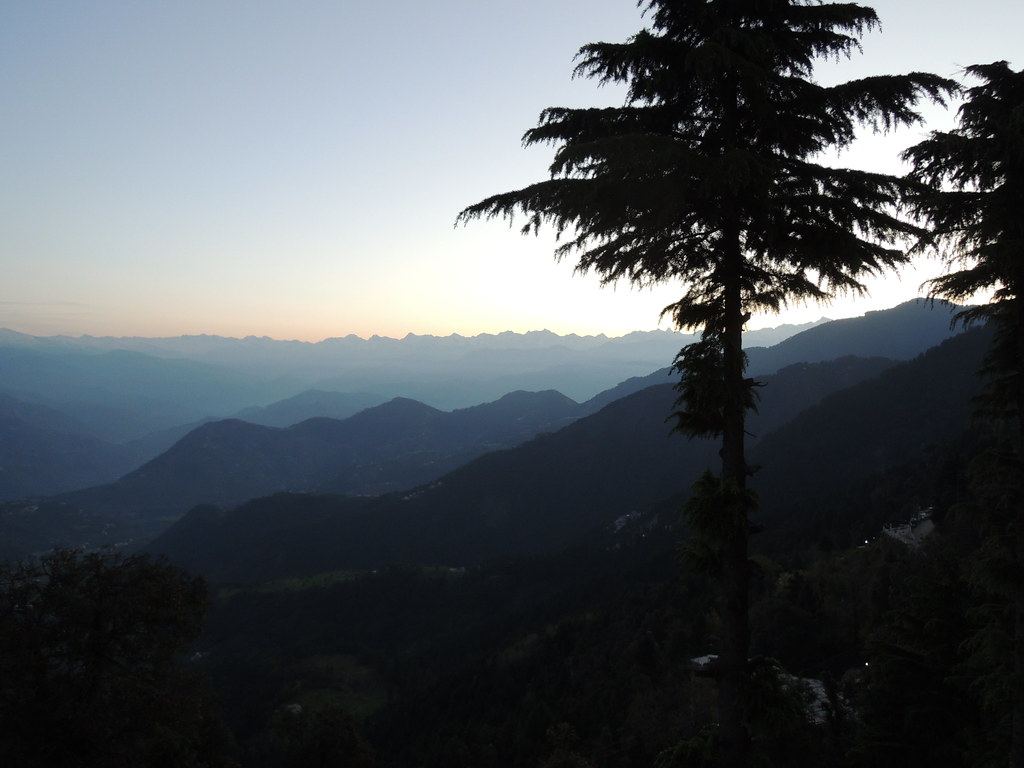
Should you drive or take a cab from Delhi to Dalhousie?
A direct cab is simplest if you are three or four people with bags. The route normally runs from Delhi via Panipat, Ambala, Ludhiana, Jalandhar and Pathankot, then up through Dunera to Dalhousie. Plan on 11–14 hours with breaks; the hills alone take more than three.
Outstation cabs are usually quoted per kilometre, with driver allowance, tolls and state-entry charges treated differently by each operator. As a rough budget estimate only, a one-way sedan from Delhi often lands in the five-figure range. Ask for a written all-inclusive quote, the vehicle type and whether a night halt is charged before you confirm.
Self-driving is possible, but the hill section is narrow, with sharp bends and heavy weekend traffic around Banikhet. If you are not used to mountain driving, switch to a local driver at Pathankot.
Can you take a bus from Delhi to Dalhousie?
Yes. The district administration notes that Himachal Road Transport Corporation (HRTC) and private operators run long-distance services to Dalhousie from Delhi and neighbouring states. Fares and timings change by season, so check the live schedule on the HRTC online reservation portal instead of relying on aggregator listings.
The trade-offs are simple: it is the cheapest route, but it is also the longest, with limited legroom, fixed stops and a drop at the bus stand rather than your hotel. If a direct seat is full, a bus to Pathankot and a connecting local bus is a workable fallback, though it adds a transfer and a waiting period.
For a comparison of buses and shared seats on Himachal routes in general, see shared seats versus HRTC buses.
What should you check before travelling in October and winter?
October and November are generally clear, cool and popular for Dalhousie, making them among the better months for this trip. Hotels book up around long weekends and Diwali, so confirm accommodation early.
From December, snow can affect the hill road and the Lakkar Mandi route to Khajjiar. The Chamba district page is the place to check broad access, and local drivers and hotels know the day-to-day road status best. Our guide to snowfall months in Himachal explains how to time a snow trip safely.
Practical checks:
- Travel the hill section in daylight
- Carry warm layers even in late October; evenings in Dalhousie drop sharply
- Confirm your driver knows the Banikhet approach and has chains or winter experience if snow is forecast
- Keep a buffer of one to two hours for traffic or road clearance
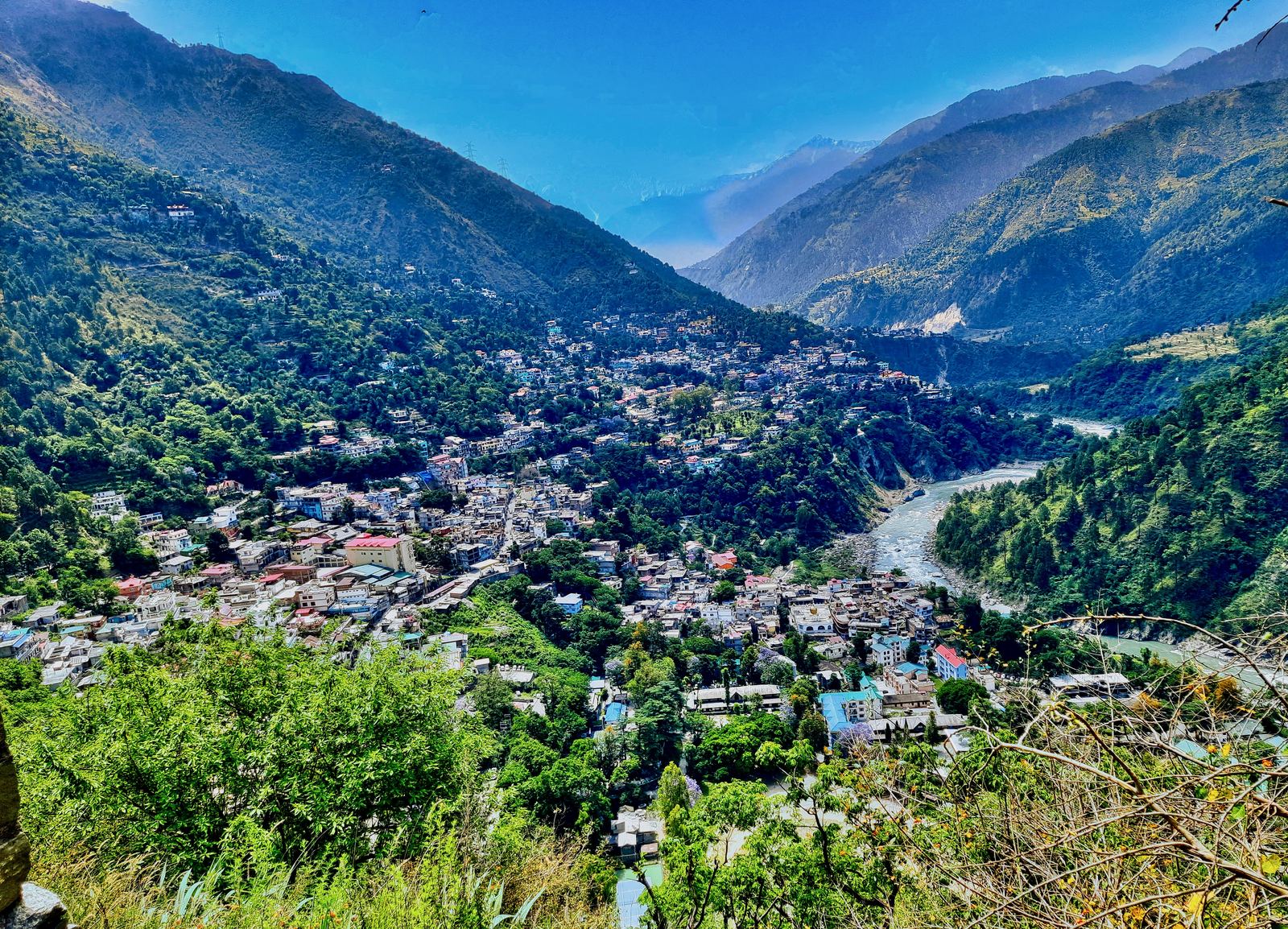
How do you add Khajjiar and Chamba?
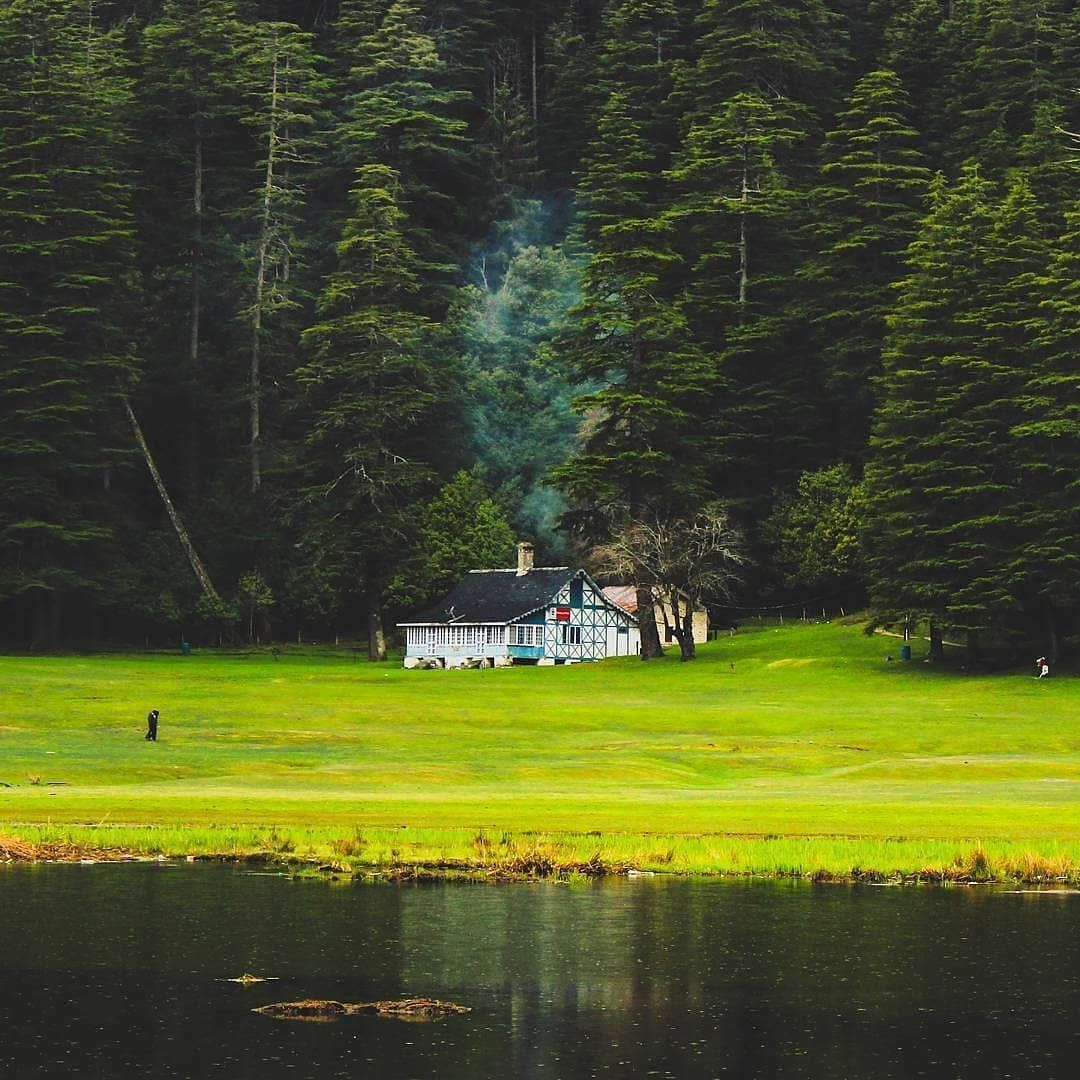
Khajjiar is about 22–24 km beyond Dalhousie and Chamba town about 45 km away. Both are better done as separate days from Dalhousie with a car on hourly or full-day hire than as part of the Delhi transfer. Our Dalhousie, Khajjiar and Chamba circuit shows how to sequence them, and the Dalhousie and Khajjiar destination page covers what is worth your time. Khajjiar details are also on the Chamba district administration page.
Frequently asked questions
How far is Delhi from Dalhousie?
About 555 km by road, according to the Chamba district administration. The final 85–90 km from Pathankot is the slowest part.
Is there a direct train from Delhi to Dalhousie?
No. The nearest railhead is Pathankot. You continue by taxi or HRTC bus; the hill road takes roughly 3–3.5 hours.
How long does a Delhi to Dalhousie taxi take?
Typically 11–14 hours with stops, depending on traffic, weather and where you break the journey. Avoid driving the hill section at night.
Which is cheaper, bus or train plus taxi?
A direct bus is usually cheapest per person. For three or four travellers, train tickets plus a shared taxi from Pathankot can be competitive and far more comfortable. Check current fares before booking.
Can I go from Delhi to Dalhousie in winter?
Usually yes, but snow can disrupt the hill road and the Khajjiar route. Check conditions on the morning you travel and keep your itinerary flexible.
Our recommendation
For most travellers, the best plan is an overnight train to Pathankot, a morning taxi up to Dalhousie, and a relaxed first day. Choose a direct cab only if you have a group, heavy luggage or a tight schedule, and choose the bus if budget matters most.
HimSafar is currently in waitlist mode, so there is no live booking yet. If you want to hear when shared corridors and hourly rentals in Himachal open, see how HimSafar works.
Why this matters
This guide is part of the demand map we are building for Himachal. If the route, activity or idea matters to you, joining the waitlist tells us to prioritize it.
What to do next
Open the related destination or service, preview the travel flow, and support the specific corridor instead of signing up generically.
Reader signal
Reading about Routes helps us understand content demand. Waitlist joins help us understand launch demand.
Want this to become a real Himsafar route?
We are using the website to learn what people actually want us to build. Join the waitlist to show support for this kind of Himachal travel and get first access when matching routes open.
HimSafar Editorial
Destination guides