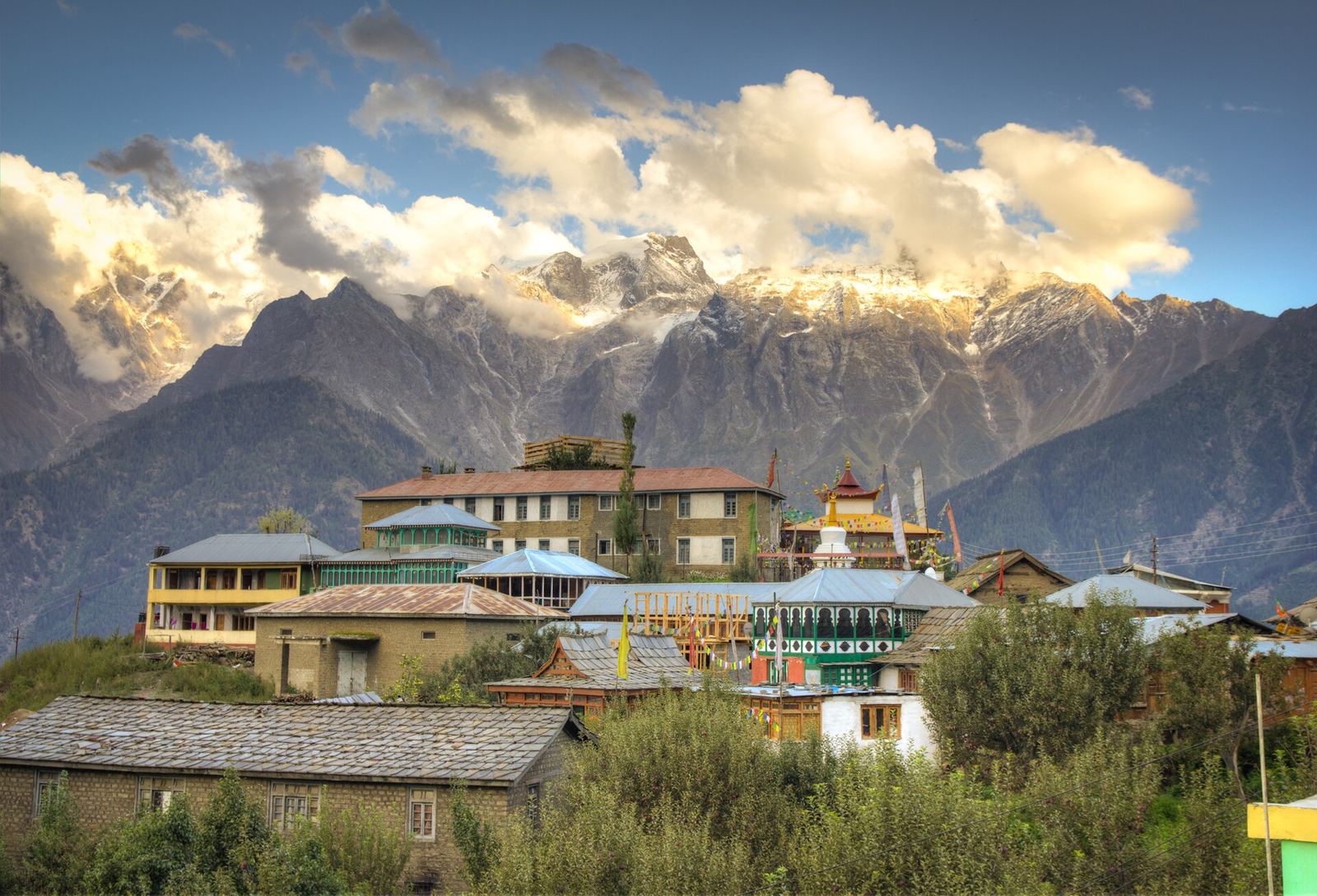
Snow arrives in Himachal in stages, not all at once. High passes in Lahaul, Spiti and upper Kinnaur usually see their first snow from late September or October. Tourist hill towns like Shimla, Manali and Dalhousie typically get theirs between late December and February. If you want reliable snow on the ground, book January or February — December has failed repeatedly in recent years.
Quick facts
- First snow of the season: high passes above roughly 3,500 m, from late September or October
- Hill towns (Shimla 2,276 m, Manali 2,050 m, Dalhousie 1,970 m): typically late December to February
- Most reliable months for a snow trip: January and February
- Least reliable: December in Shimla — no snowfall in the city in December for three consecutive years to 2023
- Higher day-trip points: Narkanda (2,708 m), Hatu Peak (3,400 m), Solang and the Atal Tunnel approach hold snow earlier and longer than the towns below
- Always check before travelling: road status and weather warnings change within hours in winter
When does it snow in Himachal, month by month?
October. The first flakes fall on the high passes, not on any town you would book a hotel in. Lahaul, Spiti and the upper reaches of Chamba and Kinnaur can see light snow from late September onwards — a road-closure signal more than a snow-trip opportunity.
November. Snow starts settling above about 3,000 m and passes begin shutting for the winter. Shimla, Manali and Dharamshala are cold and clear but usually bare — good month for views, bad month for snow.
December. The month most people book — and the least dependable. If snow comes, it tends to come in the last week, and some years it does not come at all.
January. The most reliable month. Western disturbances are at their most active, and this is when Shimla, Manali, Narkanda and Dalhousie most often get proper accumulation rather than a dusting.
February. Nearly as reliable as January, with slightly longer days and marginally better road recovery between spells. For most travellers this is the best balance of snow probability and manageable conditions.
March. Increasingly erratic. Some years deliver late snow; more often it is a cold, clear shoulder month.
Because these patterns shift year to year, treat the above as probability, not schedule. Check the Meteorological Centre Shimla bulletins in the days before you travel rather than relying on a month-name rule.
Why December snow in Shimla is no longer a safe bet
This is the single most useful thing to know before booking a Christmas or New Year trip. Data from the Meteorological Centre, Shimla shows the pattern clearly: the city recorded no snowfall in December for three consecutive years to 2023. Between 2010 and 2016, December went without snow only once. Between 2017 and 2023, it went without snow in four of seven years, and the number of December snowfall days fell from ten to five. March has declined even more sharply.
The takeaway is not that December is pointless — it is that December is a gamble sold at peak rates. If snow is the actual reason for the trip, January or February gives you a far better chance for less money. If you are travelling in late December anyway, plan around the hills themselves and treat snow as a bonus.
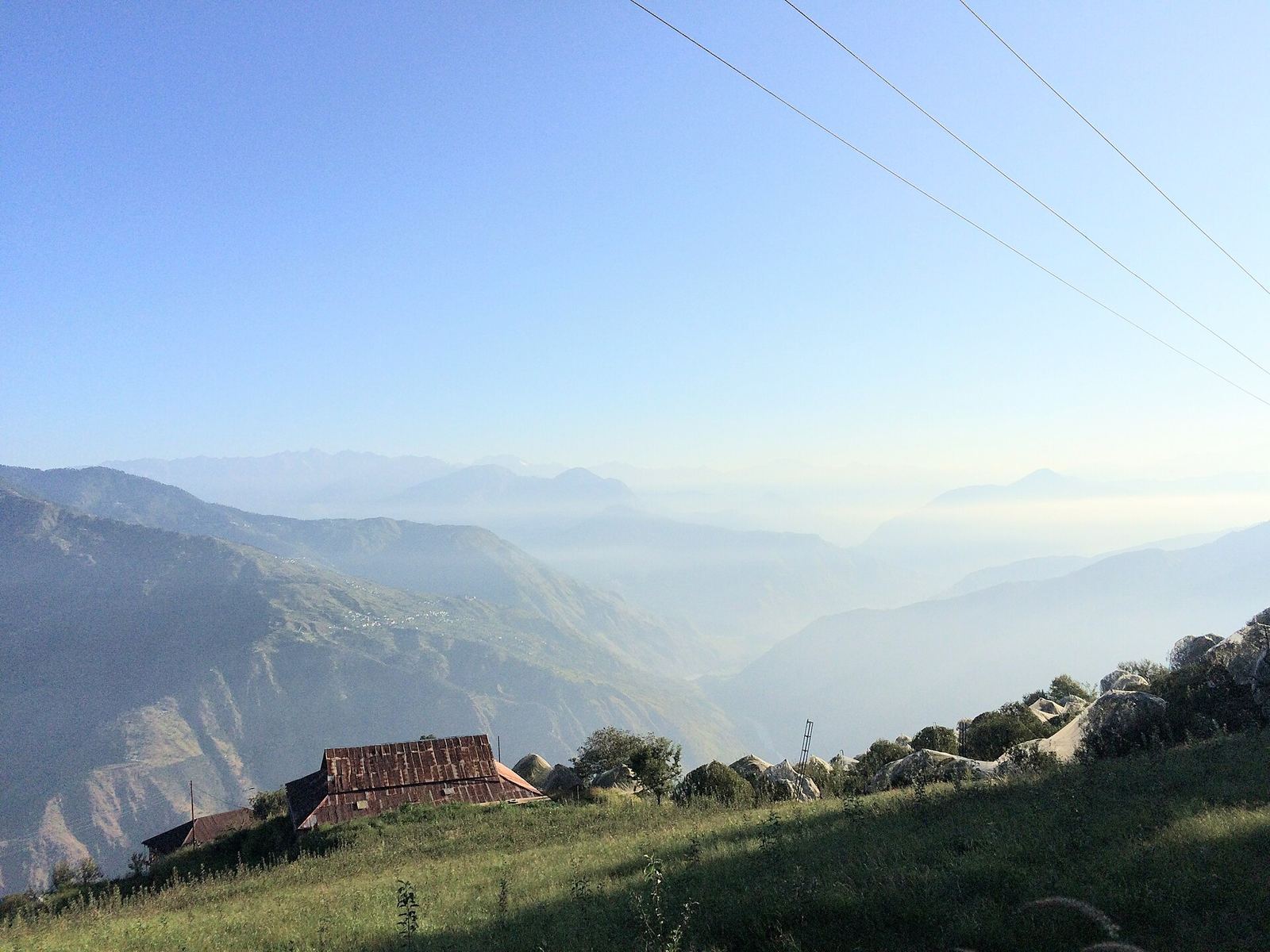
Where do you see snow earliest?
Altitude decides everything. A town at 2,000 m and a viewpoint 700 m above it are effectively in different seasons.
From Shimla, the reliable move is to go up. Kufri, Fagu and Narkanda sit progressively higher on NH-5, and Hatu Peak above Narkanda at 3,400 m is the highest point in Shimla district. Our Kufri and Narkanda destination page covers the wider upper-Shimla circuit. When the Mall Road is dry, the Narkanda belt may still have snow lying in the shade.
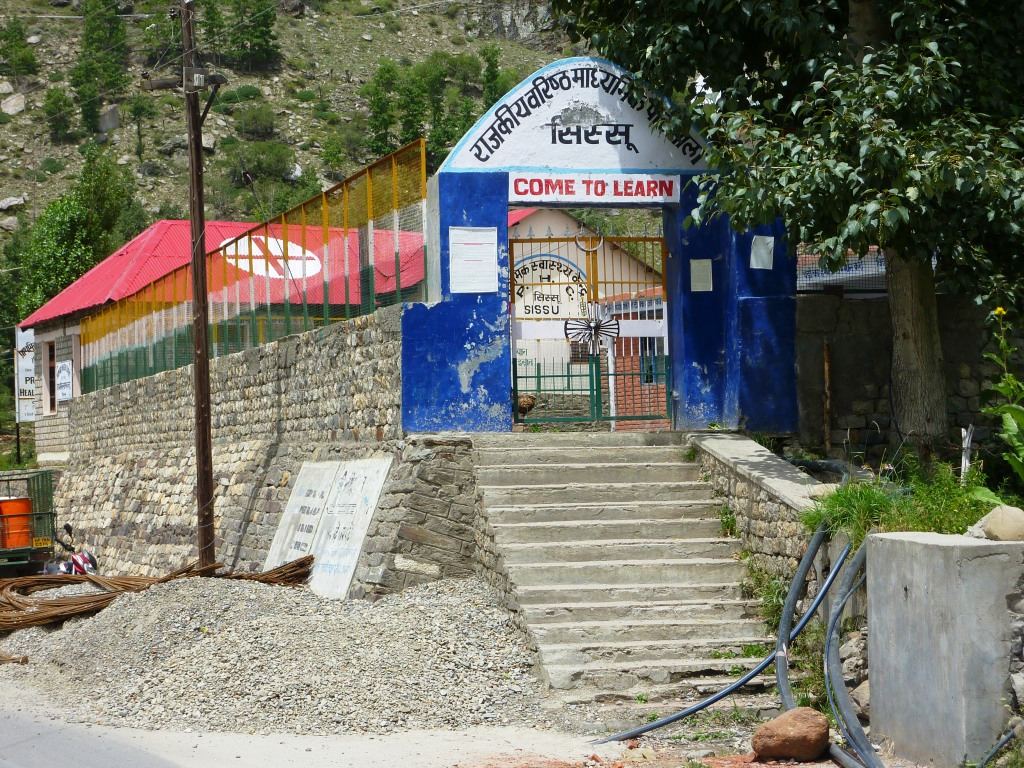
From Manali, Solang Valley and the road towards the Atal Tunnel's south portal hold snow long before and after Manali town does. Beyond the tunnel, Sissu and the Lahaul side are usually the earliest genuinely snowy places reachable by car — see our Atal Tunnel and Sissu day trip guide for how that drive actually works.
From Dharamshala and McLeod Ganj, the Dhauladhar wall gets snow the town below mostly does not. Naddi and the Triund ridge are where you see it; the town itself is usually cold and wet rather than white.
Which roads close, and what stays open?
Snow-trip planning is really road planning.
Closed for the winter. High passes shut on district administration orders, not on judgement. The Gramphu–Losar stretch via Kunzum Pass, for example, was formally closed to all traffic from 23 November 2024 until the following summer by the Lahaul and Spiti district administration, with penalties under the Disaster Management Act for anyone attempting it. Our Manali to Kaza via Kunzum Pass guide covers the season windows and the Kinnaur alternative in detail.
Rohtang Pass closes for the season once snow accumulates, typically between mid-October and late November, and reopens around May. The Rohtang and Atal Tunnel permit guide explains what you need while it is open.
Usually open, but not guaranteed. The Atal Tunnel keeps Manali connected to Lahaul through winter, which is why Sissu has become a realistic snow day trip. It still closes on heavy-snowfall days at a few hours' notice, often with four-wheel-drive and snow-chain restrictions. The Shimla–Manali and Chandigarh–Shimla highways stay open but slow sharply after a spell.
Treat every winter itinerary as provisional. Keep a spare day, avoid tight onward connections the morning after snowfall is forecast, and read our approach to mountain travel safety before you commit to a plan that depends on one road staying clear.
Which snow trip suits which traveller?
- Families with young children: Shimla with a Kufri or Narkanda day trip in January — short drives, easy exits, hospitals nearby.
- Couples wanting scenery over activity: Manali in February, with a Solang or Atal Tunnel day depending on conditions.
- Travellers who want real winter: Sissu or the Lahaul side, on a day the tunnel is confirmed open, with a driver who works that road.
- First-time hill drivers: do not self-drive in January or February. Take a cab with a local driver.
- Anyone on a fixed return date: add a buffer day or pick a lower-altitude base.
Frequently asked questions
Which month has the most reliable snow in Himachal? January, followed closely by February. These are the months when western disturbances are most active and accumulation is most likely in the hill towns.
Will there definitely be snow in Shimla in December? No. Meteorological Centre Shimla data shows December snowfall in the city has become unreliable, with several recent years recording none at all. Book December for the hills, not for guaranteed snow.
Where can I see snow in Himachal in October or November? Only at altitude — the Lahaul and Spiti passes, upper Kinnaur and upper Chamba. Most of these routes close to traffic as the snow arrives, so check district orders before planning around them.
Is the Atal Tunnel open in winter? Usually, but not always. It keeps Lahaul connected through the season and closes during heavy snowfall, sometimes with four-wheel-drive and snow-chain restrictions. Confirm status the same morning you travel.
How far ahead should I book a January or February snow trip? Book accommodation early for the New Year and mid-January weekends, but keep transfers flexible. Roads, not rooms, are what winter trips actually turn on.
The practical bottom line
If snow is the point of the trip, go in January or February, base yourself in Shimla or Manali, and build the itinerary around a higher day trip — Narkanda, Solang or Sissu — rather than hoping the town itself turns white. Keep one buffer day, check the IMD Himachal extreme weather atlas and current warnings before you set out, and use a driver who knows the route in snow rather than one who knows it in May. Himsafar is building exactly that kind of winter-capable driver network across these corridors; you can see how booking will work while we are in waitlist mode.
Why this matters
This guide is part of the demand map we are building for Himachal. If the route, activity or idea matters to you, joining the waitlist tells us to prioritize it.
What to do next
Open the related destination or service, preview the travel flow, and support the specific corridor instead of signing up generically.
Reader signal
Reading about Snow helps us understand content demand. Waitlist joins help us understand launch demand.
Want this to become a real Himsafar route?
We are using the website to learn what people actually want us to build. Join the waitlist to show support for this kind of Himachal travel and get first access when matching routes open.
Himsafar Editorial
Destination guides