Delhi to Shimla is approximately 350 km by road and takes 8 to 10 hours in fair weather. The overnight HRTC Volvo from Kashmere Gate is the most-used option, typically ₹850–900 for an AC seat. A private taxi runs about ₹8,000–12,000 one way. Rail means Delhi to Kalka, then the narrow-gauge line. Flights to Shimla operate six days a week.
Which one suits you depends on your luggage, your budget and the hour you actually want to arrive.
Quick facts for the Delhi–Shimla journey
- Road distance: approximately 340–360 km depending on the route out of Delhi
- Typical fair-weather driving time: 8–10 hours including two halts
- Route: Delhi → Murthal → Panipat → Ambala → Zirakpur → Panchkula → Kalka → Parwanoo → Solan → Shoghi → Shimla
- Terrain split: roughly 280 km of plains driving on NH-44, then about 70 km of climbing on NH-5
- HRTC AC bus fares: approximately ₹850–900 for Himsuta and Volvo services; ordinary and semi-deluxe classes are considerably cheaper
- Private taxi: approximately ₹8,000–10,000 for a sedan and ₹10,000–12,000 for an SUV one way, with tolls, driver allowance and parking usually extra
- Main boarding point: ISBT Kashmere Gate, Delhi
- Shimla Airport: Jubbarhatti, about 22 km from Shimla town
- Best months for this journey: late September to December, and March to June
Which route does the Delhi to Shimla drive take?
There is effectively one sensible alignment, and it splits cleanly in two.
The first leg is plains driving on NH-44 through Murthal, Panipat, Karnal and Ambala to Zirakpur — four to five hours in good conditions, and where you make or lose your schedule. Leaving Delhi before 6 AM or after 10 PM avoids the worst of the NCR exit traffic.
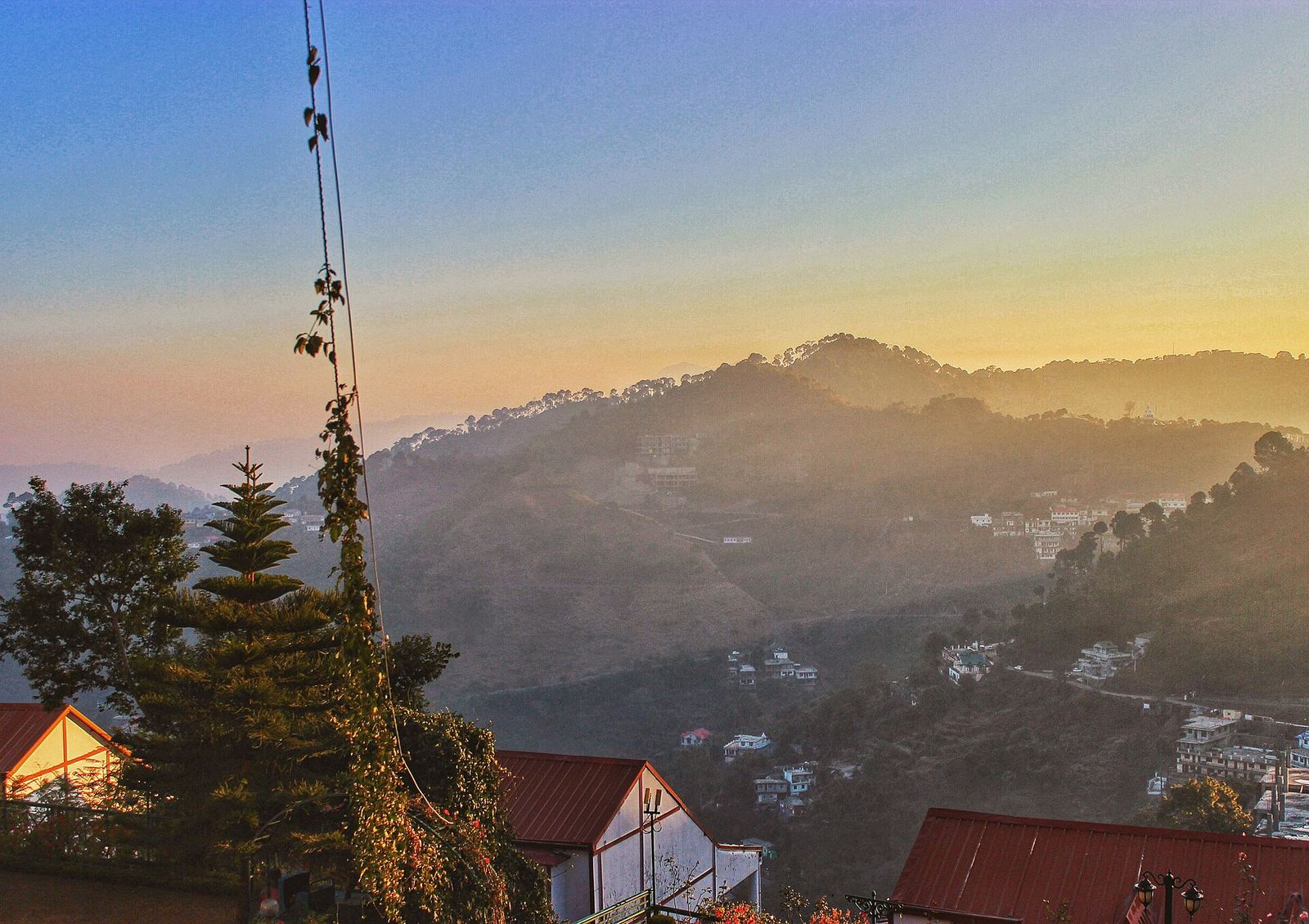
The second leg begins at Kalka, climbing through Parwanoo, Dharampur, Solan, Kandaghat and Shoghi into Shimla: about 70 km that takes three to four hours and cannot be rushed. The Chandigarh to Shimla route guide covers this hill section in detail, and its planning logic applies to the last third of any Delhi run.
If NH-5 is blocked above Kalka there is no meaningful alternative alignment, unlike the Kangra or Kullu corridors where diversions usually exist. You wait for clearance.
Is the overnight HRTC Volvo the best option?
For most solo travellers and couples, yes. HRTC runs a dense schedule from ISBT Kashmere Gate, with evening departures between roughly 5 PM and 11 PM and arrivals into Shimla between about 3 AM and 8 AM. An AC Himsuta or Volvo seat is typically around ₹850–900, and can be booked on the official HRTC online booking portal or through the usual aggregators.
The honest caveat is the arrival time. Most hotels will not check you in before 10 AM or noon, and the walk from the bus stand up to Mall Road or the Ridge is steep with luggage. If your bus is scheduled to arrive before sunrise, book a later departure rather than sitting out three hours. These are also long-haul coaches, not hill vehicles — in heavy rain they queue like everything else.
Should you take the train to Shimla instead?
The rail option is two journeys, not one: a broad-gauge train from Delhi to Kalka — the Kalka Shatabdi and Himalayan Queen are the usual choices, both roughly four to five hours — then the UNESCO-listed narrow-gauge Kalka–Shimla line for the final 96 km, another five to six hours.
Check the status of the heritage line before you build a plan around it. After a landslide near Parwanoo in Solan district washed away soil beneath the track, services partially resumed on 5 September 2026 running only between Dharampur and Shimla, with direct trains from Kalka still suspended pending repairs and travellers bridging the Kalka–Dharampur gap by road.
Even when fully open, the toy train is an experience choice rather than a transport choice. Our Kalka to Shimla first-timer guide sets out when the romance is worth the extra half-day and when a cab is simply the better call.
Is flying from Delhi to Shimla worth it?
It can be, if the schedule suits you and you are travelling light. Alliance Air operates a 48-seat ATR 42-600 on the Delhi–Shimla sector, and the service resumed from 10 May 2026 running six days a week, with morning departures from Delhi and mid-day returns. The flight itself is around 75 minutes.
Three practical limits. Jubbarhatti sits about 22 km from Shimla, so budget 45 minutes to an hour for the transfer. The single-runway hill airfield is weather-sensitive, and low-visibility mornings can mean diversions or cancellations. Fares are usually several times the bus, so this buys time rather than saving money. Confirm the current schedule with the airline before building a connection around it.
How does monsoon change the Delhi to Shimla plan?
It changes the last 70 km, not the first 280.
The 2026 monsoon has been a difficult one. State Emergency Operation Centre data reported by ANI showed 117 roads still blocked across Himachal as of 2 September 2026, with Shimla district accounting for 30 of them. Rain continued into mid-September, later than the season usually eases.
Three habits make the difference on this corridor:
- Add a buffer of two to three hours to any fair-weather estimate between mid-June and late September
- Drive the hill section in daylight wherever possible, since single-lane traffic control at clearance points is far harder to judge at night
- Check road status before you leave Delhi, not after you reach Kalka — the SEOC operates a 24-hour helpline on 1070
Our wider guidance on travelling in Himachal during monsoon covers the reasoning behind these in more depth.
Which option suits which traveller?
- Solo travellers and couples on a budget: overnight HRTC Volvo, booked for a post-dawn arrival
- Families with luggage or elderly parents: private taxi, leaving Delhi early and stopping at Murthal and Solan
- Slow travellers and rail enthusiasts: train to Kalka, then the narrow-gauge line — schedule permitting
- Short business trips: the morning flight, with a pre-arranged Jubbarhatti transfer
- Groups splitting cost: a shared vehicle on a fixed route, which is the model behind Himsafar shared seats
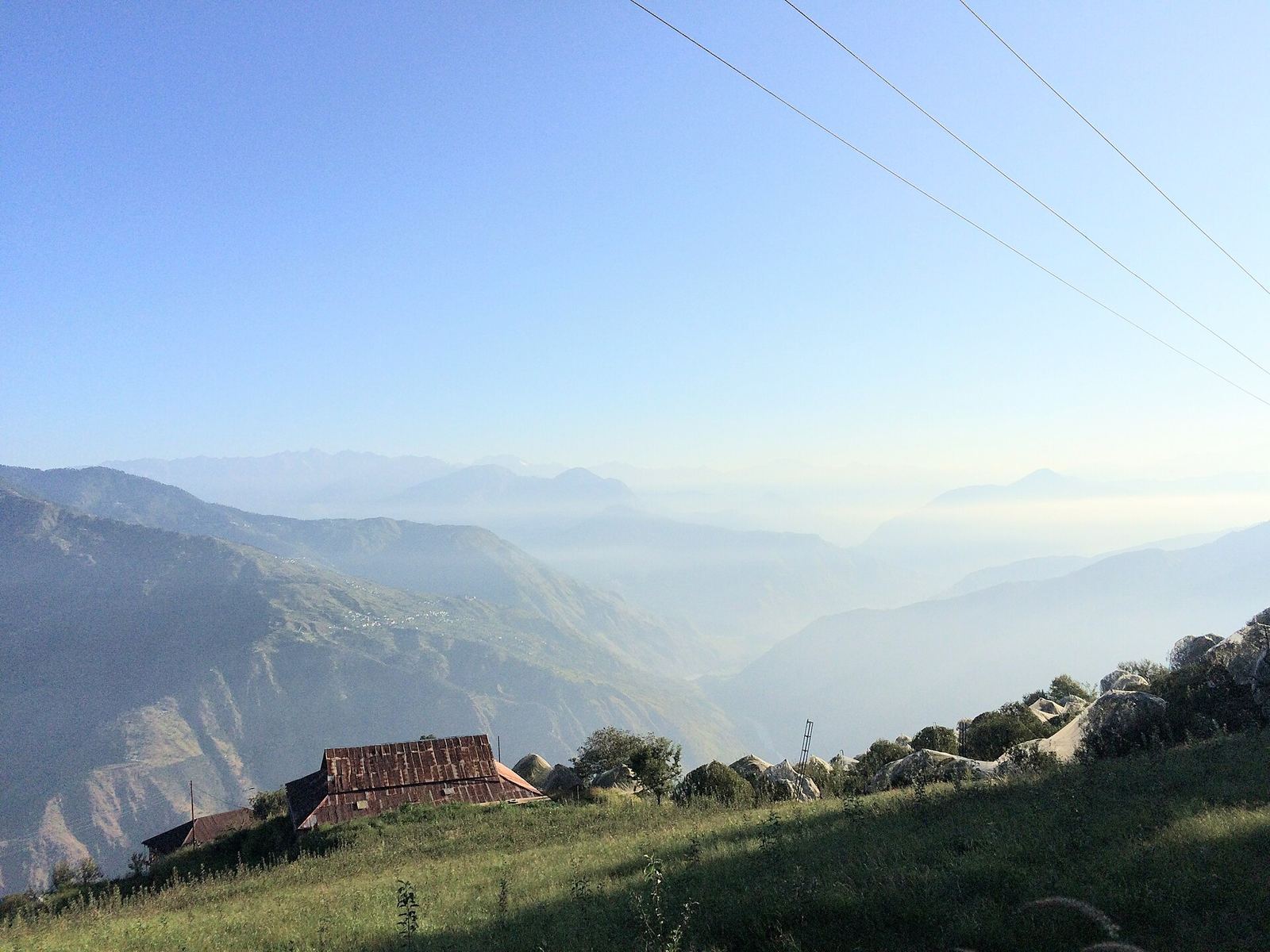
Once you are in Shimla, the onward planning gets easier. Our Shimla destination page covers the day trips most travellers add on, including the Kufri and Narkanda run towards Hatu Peak.
Frequently asked questions
How many hours is Delhi to Shimla by road? Approximately 8 to 10 hours in fair weather for roughly 350 km. In monsoon, plan for 10 to 13 hours and be willing to lose more on a bad day.
What is the cheapest way to travel from Delhi to Shimla? An HRTC ordinary or semi-deluxe bus is the cheapest direct option. An AC Himsuta or Volvo seat at roughly ₹850–900 is the usual comfort-to-cost balance for the overnight run.
Is the Kalka–Shimla toy train running right now? Partially. As of early September 2026, trains were running between Dharampur and Shimla, with the Kalka–Dharampur section still under repair. Check Indian Railways for current status before booking.
Do I need to break the journey overnight? Not usually. The road can be done in a day, and the overnight bus removes a hotel night entirely. Families with young children often prefer a halt at Chandigarh or Solan.
Is Shimla worth visiting in late September and October? Yes. Once the monsoon withdraws, late September to December is one of the best windows on this corridor — clearer roads, stable weather and thinner crowds than the summer peak.
The practical recommendation
For most people, the overnight HRTC Volvo booked for an arrival after 7 AM is the sensible default: affordable, frequent, and it removes a night of accommodation. Take a private taxi if you are carrying luggage, travelling with elderly parents or want control over halt timings. Treat the toy train as a planned experience rather than a transfer, and confirm the line's status first.
Whatever you choose, plan the last 70 km above Kalka as its own journey, and check road conditions the morning you travel rather than the week before. Himsafar is currently in waitlist mode while we open corridors — our how it works page explains the model.
Why this matters
This guide is part of the demand map we are building for Himachal. If the route, activity or idea matters to you, joining the waitlist tells us to prioritize it.
What to do next
Open the related destination or service, preview the travel flow, and support the specific corridor instead of signing up generically.
Reader signal
Reading about Routes helps us understand content demand. Waitlist joins help us understand launch demand.
Want this to become a real Himsafar route?
We are using the website to learn what people actually want us to build. Join the waitlist to show support for this kind of Himachal travel and get first access when matching routes open.
Himsafar Editorial
Destination guides