Dharamshala to Bir Billing is roughly 65–70 km by road and takes about 2 to 2.5 hours by taxi via Palampur and Baijnath. Direct HRTC buses run from the Dharamshala bus stand but take longer — usually 3.5 to 4.5 hours with stops. A private taxi typically costs approximately ₹2,000–3,000 one way; a bus seat costs a small fraction of that.
Quick facts
- Road distance: approximately 65–70 km via Palampur and Baijnath
- Taxi time: 2–2.5 hours in fair weather
- Bus time: 3.5–4.5 hours, longer if you change at Baijnath
- Taxi fare: approximately ₹2,000–3,000 one way (indicative, varies by vehicle and season)
- Bus fare: an ordinary HRTC seat on this stretch is well under ₹250 — confirm on the HRTC booking portal
- Best months: October and November, once the flying season is properly open
How far is Dharamshala from Bir Billing, and why does it feel longer?
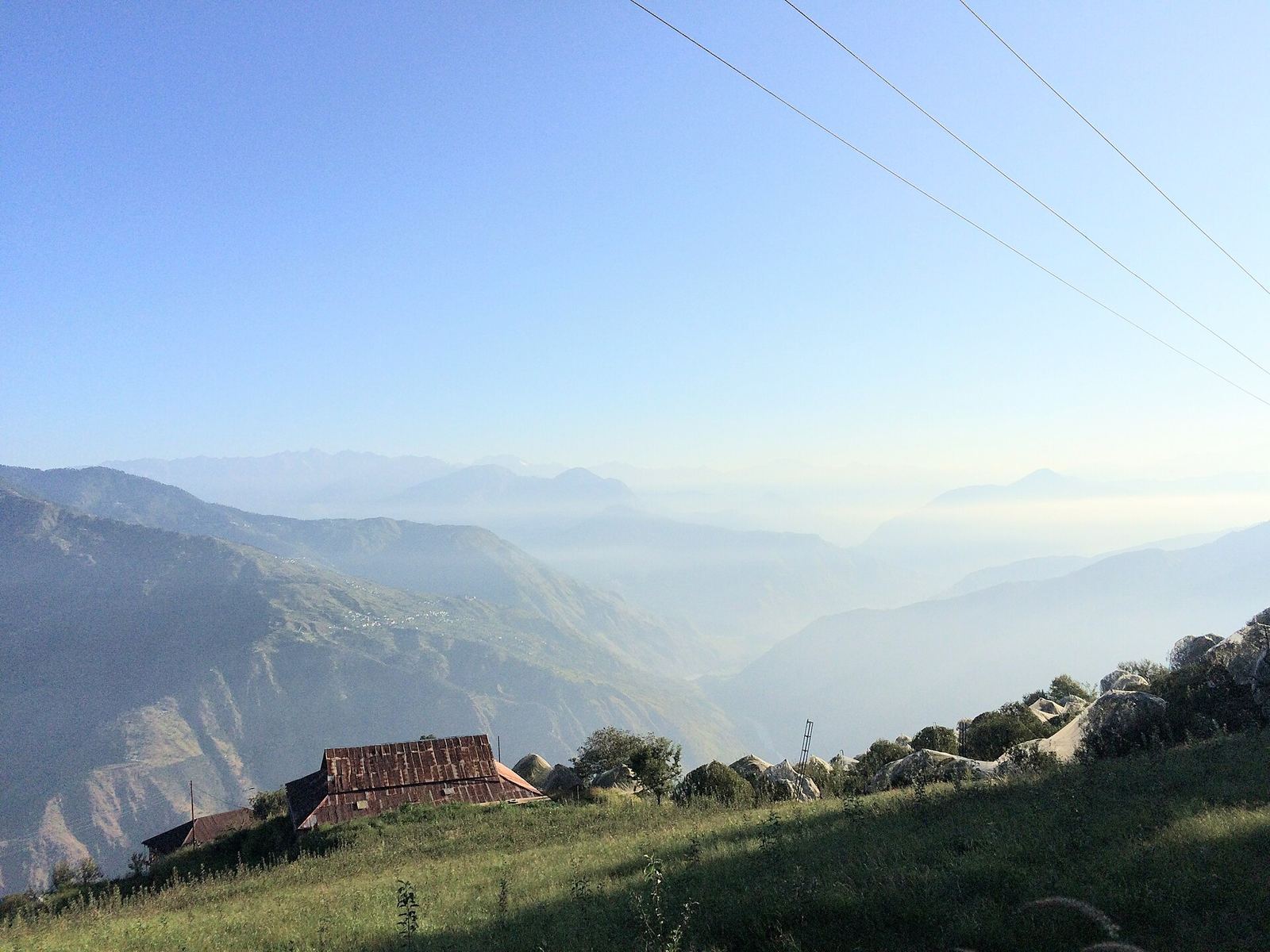
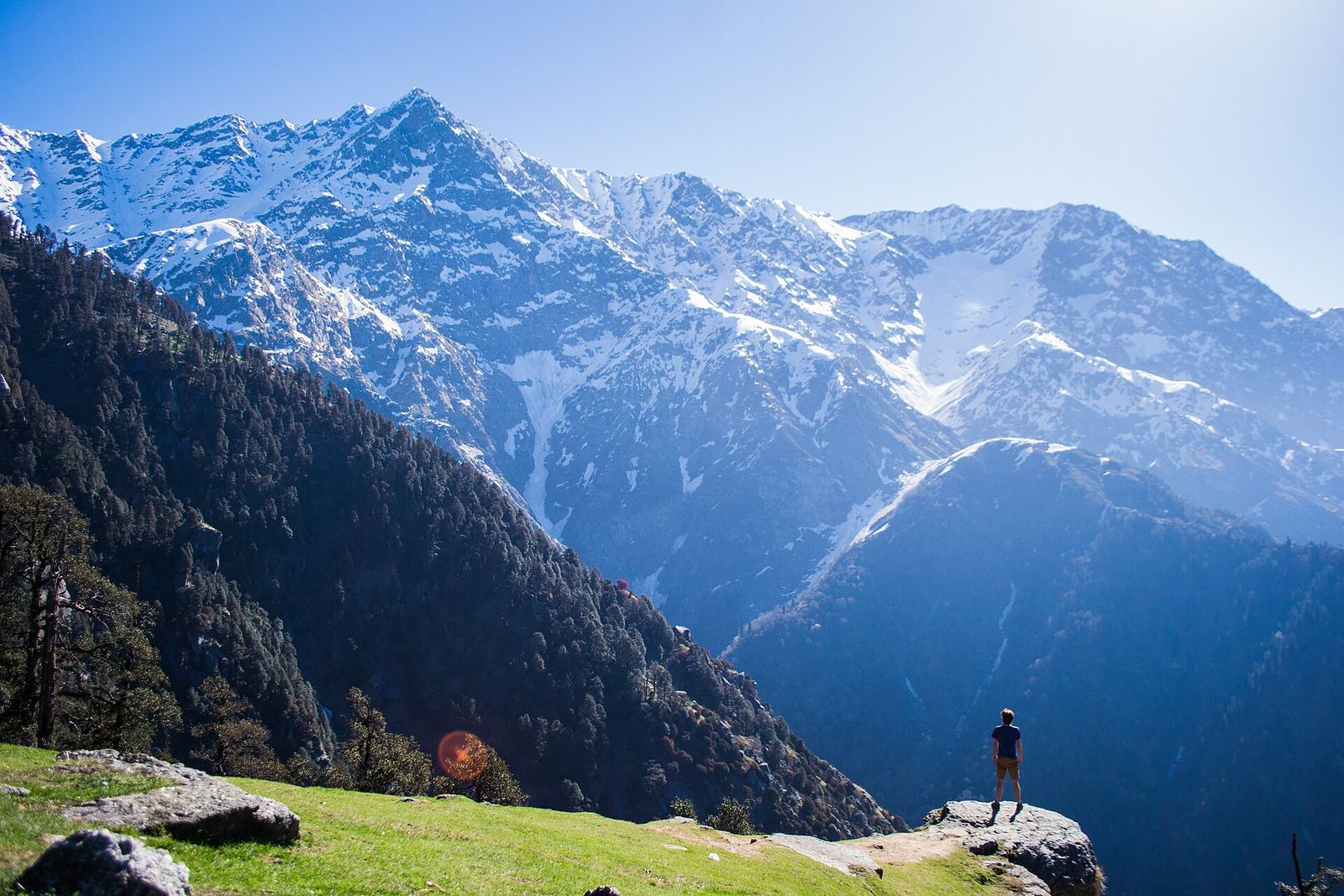
The map distance is short. The driving distance is what matters. You are travelling along the base of the Dhauladhar range on a road that climbs, drops, passes through market towns and rarely lets you hold a steady speed.
McLeod Ganj adds another 10 km and 30–45 minutes at the start, because you first have to come down to Dharamshala before turning east. If you are staying up in McLeod Ganj rather than lower Dharamshala, plan for roughly 3 hours door to door by taxi.
The last few kilometres also catch people out. Buses drop at Bir Road on the highway, and most stays are 3–5 km further in. Budget time and a small local fare for that final hop.
Should you take the HRTC bus or a taxi from Dharamshala to Bir?
Take the bus if you are travelling solo or as a pair, carrying light luggage, and starting in the morning. It is the cheapest sensible option on this route and it runs frequently once you are on the Palampur–Baijnath corridor.
There are usually a couple of direct services from the Dharamshala bus stand towards Bir Road and Upper Bir, and many more buses heading east towards Baijnath, Jogindernagar, Mandi or Manali that will drop you at Bir Road. From Baijnath, local buses to Bir run roughly every half hour. The Bir Portal's travel notes describe the same three-way pattern — direct, via Baijnath, or flag down anything heading east.
Take a taxi if you are a family or group of three or more, arriving late in the day, travelling with children or elderly parents, or carrying trek and camera gear. Split across four people, a private cab is often close to bus cost per head and saves two hours.
A shared seat is the middle path. Long hill corridors like this are exactly where buying one seat instead of a whole cab makes sense — the reason shared routes sit at the centre of what Himsafar is building for Himachal.
Whichever you choose, fix the price before you start. Fares on this route are negotiated, not metered, and quoted rates rise sharply in peak flying season.
What is the Palampur–Baijnath route actually like?
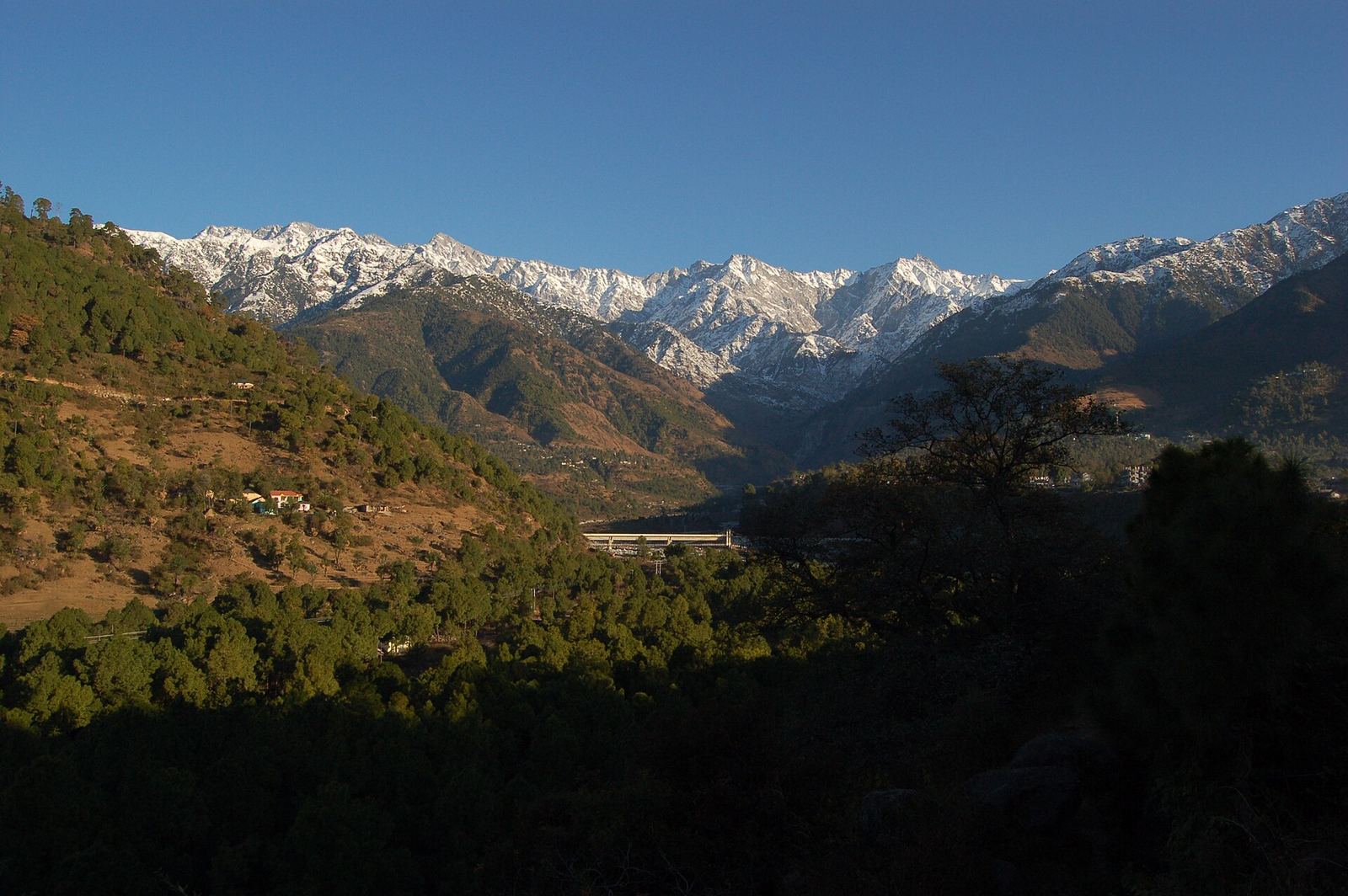
This is one of the more pleasant short drives in Kangra. You leave Dharamshala's traffic, pick up the Dhauladhar wall on your left, and run through tea country.
Palampur sits roughly halfway and is the natural break — tea gardens, a proper lunch, and the last reliable ATMs and pharmacies before Bir. Baijnath, about 15 km further, has the 13th-century Baijnath Shiva temple right beside the highway and costs you fifteen minutes to see.
After Baijnath you turn off the main highway at Bir Road and climb gently through fields to Bir itself. It is a short stretch, but narrow, so it is slower than the distance suggests.
Where exactly should you get down in Bir?
"Bir" is really three places, and telling your driver the wrong one costs you a walk with luggage.
- Bir Road / Chowgan Chowk — where highway buses drop you. Not where you are staying.
- Chowgan and the Tibetan Colony — monasteries, cafés, the paragliding landing site, most guesthouses.
- Upper Bir (Bir village) — the older Gaddi village higher up, quieter, some homestays.
Name the specific colony or guesthouse when you book a cab. If you arrive by bus at Bir Road, a local taxi to Chowgan is a five-minute hop.
Will paragliding be running when you arrive?
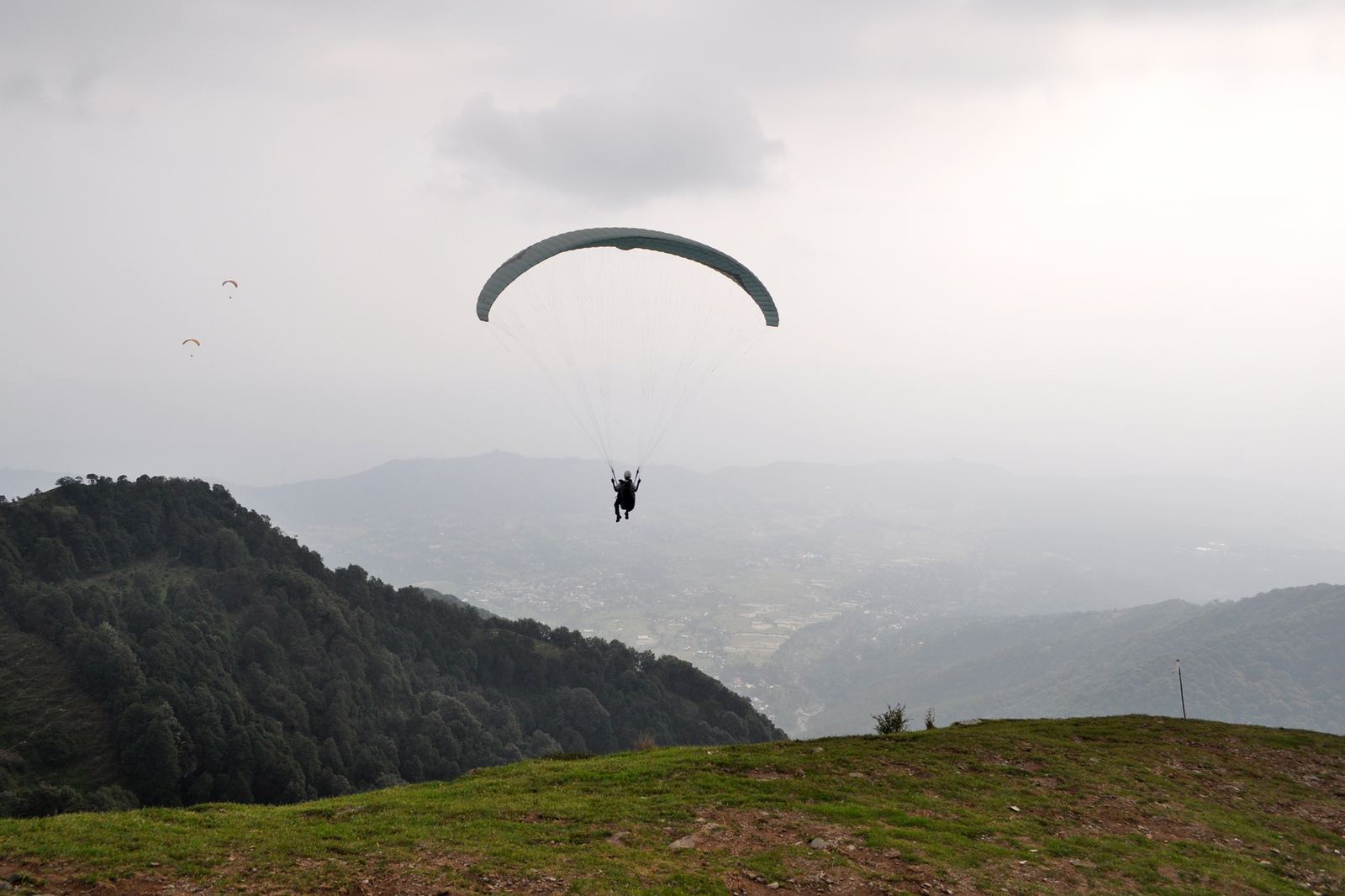
This matters more than the transfer itself, because most people making this trip are going to fly.
The Kangra district administration imposes an annual monsoon suspension on paragliding at Bir Billing from 15 July to 15 September, covering both tandem tourist flights and solo pilots. The Tribune reported the same two-month window for the current season, with operations set to resume from 16 September subject to weather and administration clearance.
In practice:
- Early September: travel for the valley, monasteries and cafés, not for flying.
- Mid-to-late September: flights typically restart, but conditions are still settling.
- October–November: the most reliable window of the year. Book stays early.
If flying is the whole point of your trip, read our Bir Billing paragliding season guide before fixing dates, and treat any operator's confirmation as weather-dependent. The take-off at Billing is a further 14 km and about 45 minutes uphill from Bir — usually arranged as part of a tandem flight package rather than something you organise separately.
How does monsoon change this route?
The Dharamshala–Palampur–Baijnath road is a lower-altitude valley route with no high passes, so it stays open far more reliably than the Manali or Spiti corridors. That is its real advantage in a wet month.
It is not immune, though. The 2026 monsoon has been heavy across Himachal, with landslide damage reported around Dharamshala and hundreds of road closures statewide through August. Check the HP State Disaster Management Authority updates and ask your driver about the day's conditions before an early start. General monsoon habits — daylight travel, buffers, no tight connections — apply here as much as anywhere in the state, and we have covered them in our Himachal monsoon travel guide.
Frequently asked questions
Is there a direct bus from McLeod Ganj to Bir? Not usually. Most services start from the lower Dharamshala bus stand, so come down first. A few private operators run McLeod Ganj–Bir shuttles in season, but do not plan around them.
Can I fly into Gaggal and go straight to Bir? Yes. Gaggal (Kangra) Airport is about 65–70 km from Bir and is the closest airport, though flight schedules are limited and weather-sensitive. See our Gaggal Airport transfer guide for the specifics.
How much is a taxi from Baijnath to Bir? Approximately ₹300–500 for the 20–30 minute run, depending on where in Bir you are going. Local buses cover the same stretch for a fraction of that.
Is one day enough in Bir from Dharamshala? It is possible but tight, and only worth it if you are not flying. A tandem flight depends on wind windows that can shift by hours. Give Bir at least one night.
When is the best time to do this trip? October and November. Clear skies, settled roads, and the most dependable flying conditions of the year. March to June is the other good window.
The practical recommendation
If you are two people with light bags, take a morning HRTC bus, break at Palampur if you like, and accept the extra hour. If you are a family or a group of three or more, book a taxi and name your exact Bir address when you do.
Either way, plan the trip around the flying calendar rather than the drive. The road from Dharamshala to Bir Billing is short and forgiving. The sky is the part that has an opinion.
Why this matters
This guide is part of the demand map we are building for Himachal. If the route, activity or idea matters to you, joining the waitlist tells us to prioritize it.
What to do next
Open the related destination or service, preview the travel flow, and support the specific corridor instead of signing up generically.
Reader signal
Reading about Routes helps us understand content demand. Waitlist joins help us understand launch demand.
Want this to become a real Himsafar route?
We are using the website to learn what people actually want us to build. Join the waitlist to show support for this kind of Himachal travel and get first access when matching routes open.
Himsafar Editorial
Destination guides