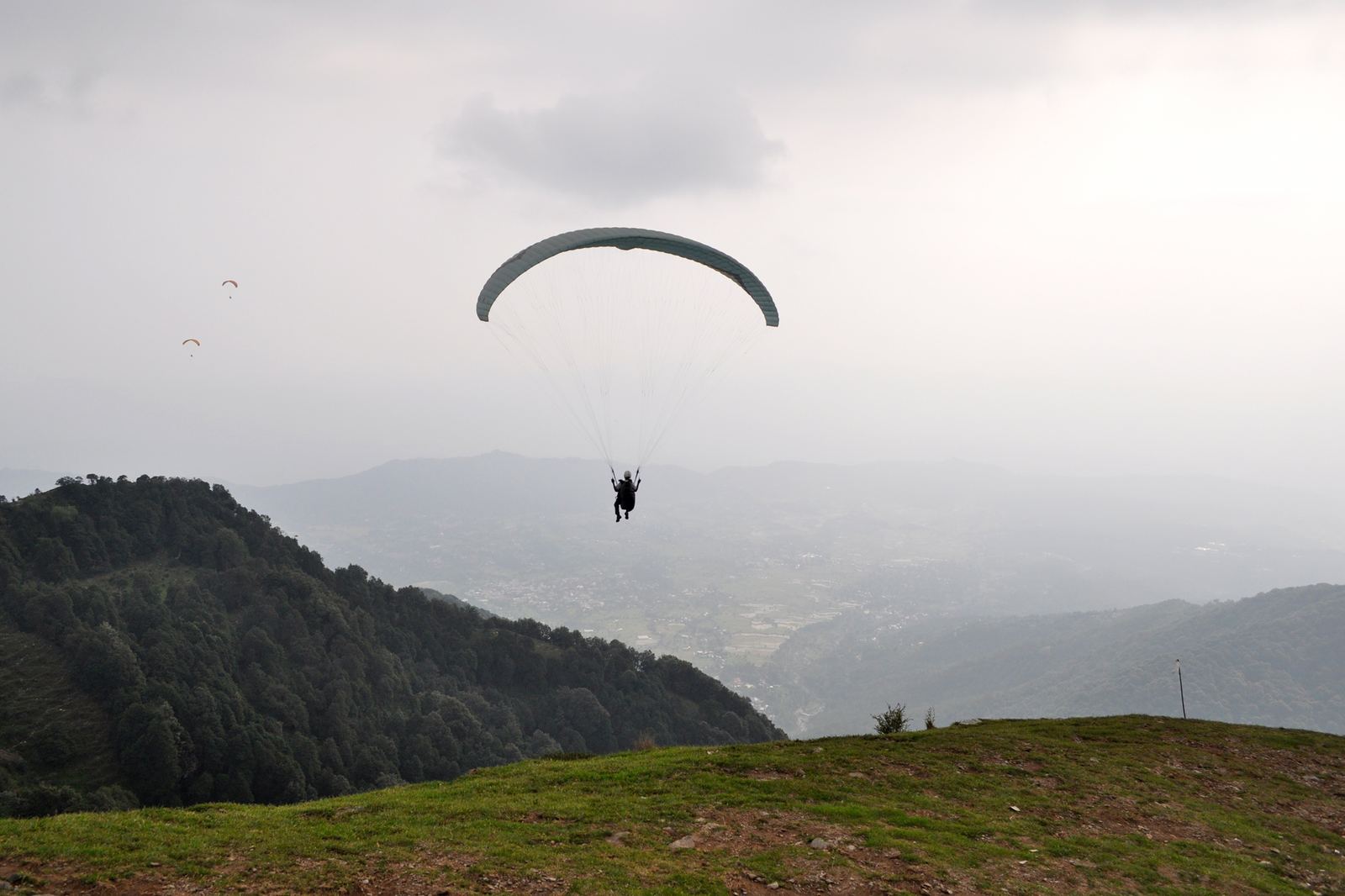
The Kheerganga trek from Kasol starts at Barshaini, the roadhead about 16 km up the valley, and climbs roughly 12–13 km one way to hot springs at about 2,960 m. Since July 2024 it has been a day trek only: overnight camping is banned, entry closes at 10 AM and everyone must start descending by 2 PM. Register at the Barshaini checkpost and stay overnight in Kasol, Barshaini, Kalga or Tosh instead.
Quick facts
- Trailhead: Barshaini, about 16 km from Kasol (typically 45–60 minutes by road)
- Distance: roughly 12–13 km one way via the Nakthan route
- Altitude: approximately 2,960 m at the Parvati Kund hot springs
- Time: typically 4–6 hours up, 3–4 hours down
- Rules: no camping; arrive before 10 AM, begin descent by 2 PM
- Registration: approximately ₹100 per person at the Barshaini checkpost, with photo ID
Can you still camp at Kheerganga?
No. The Himachal Pradesh Forest Department banned camping in the Kheerganga area in July 2024 after tent numbers on the fragile meadow crossed several hundred and garbage piled up along the trail. The department cleared the camps, set entry timings and installed a barrier on the Barshaini–Kheerganga route.
The ban remains in force for the 2026 season, and travel guides updated this year still describe Kheerganga as a day-trek-only destination. The old plan — walk up in the afternoon, soak in the springs, sleep in a camp, walk down next morning — no longer exists. Anyone selling you an overnight "Kheerganga camping package" on the meadow itself is selling something the Forest Department treats as a violation.
Plan around the timings instead. You must reach the top before 10 AM and start down by 2 PM, which means leaving Barshaini around 5 AM. Stay the previous night in Barshaini, Kalga, Nakthan or Tosh to avoid the early-morning drive from Kasol. Rules like these can be revised, so confirm the current position locally before you commit to dates.
How do you reach Barshaini from Kasol?
Barshaini is about 16 km beyond Kasol via Manikaran, usually 45 minutes to an hour on a narrow valley road. Local buses run this stretch cheaply but thin out by evening; a cab is the reliable option for a pre-dawn start. If you are doing Kasol, Manikaran and the trek roadhead as connected legs, keeping a cab by the hour is usually better value than three separate point-to-point fares.
Coming from outside the valley, the nearest airport is Bhuntar, about 31 km from Kasol — our Bhuntar Airport transfer guide covers fares and options. Most budget travellers take the overnight Delhi–Bhuntar Volvo and continue by bus or shared taxi. For the wider valley plan — where to stay, how many days, what to skip — see the Kasol and Parvati Valley trip guide.
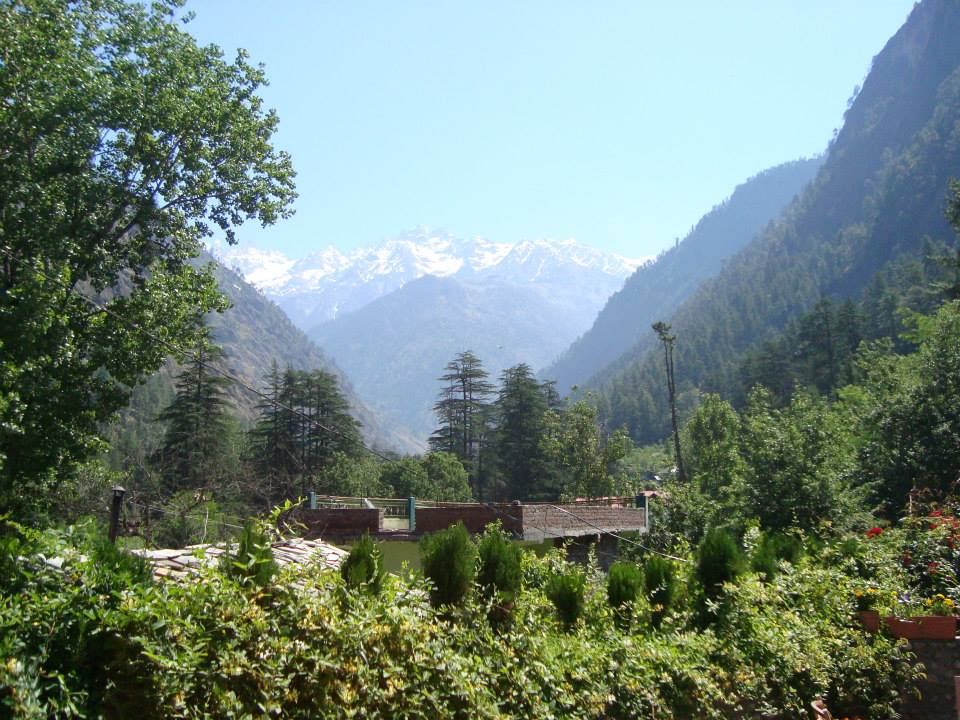
What is the trek actually like?
Register at the Barshaini checkpost first — the fee is approximately ₹100 per person on the Nakthan route, and you need a photo ID. Three trails lead up, merging as they climb:
- Nakthan route — the standard choice. Cross the Barshaini bridge, turn left and follow the true left of the Parvati river through Nakthan village. Well marked, well walked, with dhabas along the way.
- Kalga route — turn right instead, through Kalga village and denser forest. Slightly longer at around 14 km, quieter and shadier; better with a guide if it is your first trek.
- Tosh route — longest at roughly 17 km, sensible only if you slept in Tosh.
The gradient is easy to moderate: gentle through apple orchards early on, steeper and rockier after Nakthan. Rudranag, with its waterfall and small pilgrim shelter, is the natural refuelling stop. Do not take the shortcut trails that cut the switchbacks — they are where accidents happen on this route. At the top, the Parvati Kund hot springs are the reward: a sacred site linked to Shiva and to Guru Nanak's visit, so treat the pools and the meadow with the respect a pilgrimage site deserves.
Budget 45–60 minutes at the springs and start down by 1:30 PM to meet the 2 PM cut-off comfortably.
Is September a good month for the Kheerganga trek?
September is one of the better windows. The monsoon typically withdraws from Kullu district through the month, the forest is at its greenest, and the autumn clarity that makes the upper valley spectacular begins to set in. Early September can still carry monsoon risk — slippery forest sections and occasional blocks on the Bhuntar–Manikaran–Barshaini road — so check road status and the forecast a day or two before travelling. October and early November are drier and colder; pre-dawn starts then need proper layers.
Whatever the month, the day-trek format makes fitness matter more than it used to. You are walking 24–26 km in a single day with a hard afternoon deadline. Reasonably fit first-timers manage it; if that sounds like too much, the Triund trek from McLeod Ganj is a gentler alternative with similar big-mountain views.
What should you carry, and how do you stay safe?
Carry water, snacks, a rain layer even in autumn, a cap, sunscreen and shoes with real grip — the trail is rocky and stays damp in the forest. Start at first light, keep your registration slip, and turn back without drama if weather closes in; the springs will still be there next season. Mobile network is patchy beyond Nakthan, so tell someone your plan. The same principles in our mountain travel safety approach apply on foot as on the road: fixed plans, known routes, no improvising in bad conditions.
Frequently asked questions
How long is the Kheerganga trek from Barshaini? Roughly 12–13 km one way via the Nakthan route, typically 4–6 hours up and 3–4 hours down. The Kalga and Tosh routes are longer.
Is camping allowed at Kheerganga in 2026? No. The Forest Department banned camping on the meadow in July 2024 and the ban remains in force. Kheerganga is a day trek; stay overnight in Barshaini, Kalga, Nakthan, Kasol or Tosh.
What are the entry timings? You must reach Kheerganga before 10 AM and begin descending by 2 PM. Practically, that means leaving Barshaini by about 5 AM.
Do I need a permit? You need to register at the Barshaini checkpost — approximately ₹100 per person on the Nakthan route — and carry a valid photo ID. Confirm the current fee locally.
Can beginners do the trek? Yes, with basic fitness and an early start. It is a long day at moderate gradient, not a technical climb. Take the Nakthan route, skip the shortcuts, and do not attempt it in heavy rain.
The practical bottom line
Sleep in Barshaini or Kalga the night before, register early, be walking by 5 AM, and treat 1:30 PM as your turnaround time at the springs. The camping ban has made Kheerganga harder to wing and easier to do well — it rewards travellers who plan the transfers and the timings properly. HimSafar's driver network covers exactly these legs — the Bhuntar pickup, the Kasol–Barshaini drop with a confirmed return — and you can see how booking will work or explore the Kheerganga trek on our activities pages while we are in waitlist mode.
Why this matters
This guide is part of the demand map we are building for Himachal. If the route, activity or idea matters to you, joining the waitlist tells us to prioritize it.
What to do next
Open the related destination or service, preview the travel flow, and support the specific corridor instead of signing up generically.
Reader signal
Reading about Trekking helps us understand content demand. Waitlist joins help us understand launch demand.
Want this to become a real Himsafar route?
We are using the website to learn what people actually want us to build. Join the waitlist to show support for this kind of Himachal travel and get first access when matching routes open.
HimSafar Editorial
Destination guides