Manali to Kaza via Kunzum Pass is roughly 180–200 km and takes 8–12 hours when the road is through. It opens only in summer — usually late May or June — and shuts for winter around November. In mid-August 2026 the Lahaul and Spiti district road-status page lists the Keylong–Kaza stretch as closed, so verify the same morning before you travel.
Quick facts
- Distance: approximately 180–200 km (Manali → Atal Tunnel → Gramphu → Batal → Kunzum La → Losar → Kaza)
- Driving time: 8–12 hours in good conditions; longer after rain
- Kunzum Pass altitude: about 4,551 m (Kunzum Pass)
- Typical open season: late May/June to late October or November
- Hardest section: the roughly 47 km Gramphu–Batal stretch — unmetalled, loose gravel, live water crossings
- Vehicle: high-clearance SUV strongly preferred; 4x4 sensible after rain
- Current status: treat as unconfirmed until you check the district page on the day
Is the Manali to Kaza road open right now?
This is the question that decides the trip, and the honest answer is that it changes week to week — sometimes day to day.
The authoritative source is the Lahaul and Spiti district road status page, maintained by the district administration. At the time of writing it lists Manali–Keylong as open, Keylong–Leh as open, and Keylong–Kaza as closed. That closed status covers the Spiti-side link, and it is the line most travellers miss when they book a cab on the strength of a blog post from June.
Two separate things can close this route:
Winter snow. The District Disaster Management Authority formally shuts the Gramphu–Losar stretch each winter. In November 2024 the closure order took effect from 23 November until the following summer, with movement banned outright and violations liable to penalty under Section 51 of the Disaster Management Act — as reported by The Tribune. That order also carried the administration's standing advice: use the Kinnaur route instead.
Monsoon damage. Between July and mid-September, cloudbursts and landslides take out sections without warning. On 10 August 2026, 106 roads were still blocked statewide, 40 of them in Kullu district, with heavy rain forecast to continue and orange alerts issued for Kangra and Mandi — per The Tribune's State Emergency Operation Centre update.
What the route actually looks like
From Manali you climb to the Atal Tunnel and emerge into Lahaul. Shortly after, at Gramphu, the road forks: left for Keylong and Leh, right for Spiti. The right turn is where the tarmac ends being reliable.
Manali → Gramphu (about 2 hours). Sealed road through the tunnel. Easy. This part is almost never the problem.
Gramphu → Batal (roughly 47 km, 4–5 hours). The defining stretch. Broken surface, loose gravel, and several nullahs that carry glacial melt straight across the road. Crossings run shallowest early — before about 10 a.m. — and deepen through the afternoon as the day warms. A sedan should not attempt this.
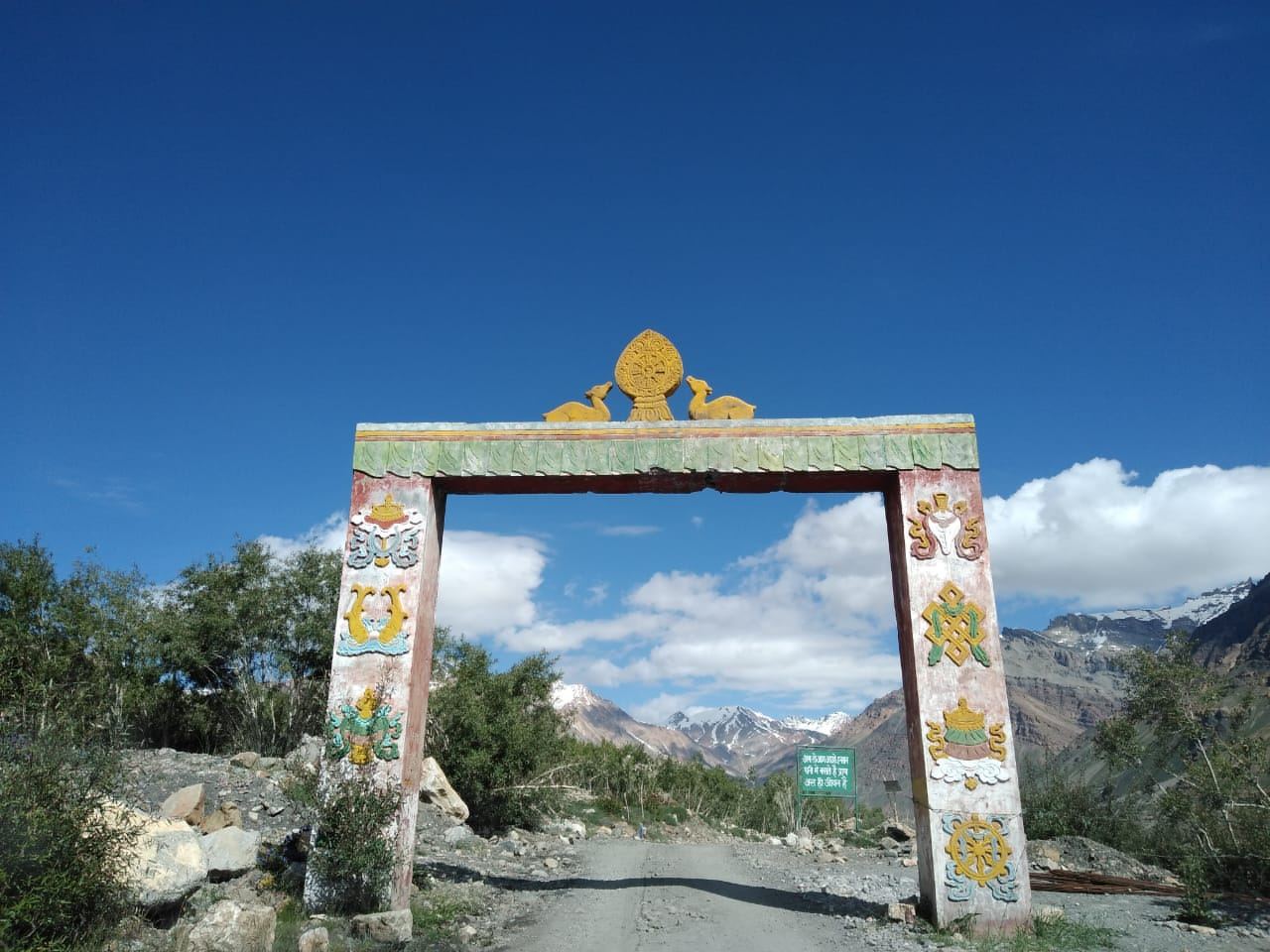
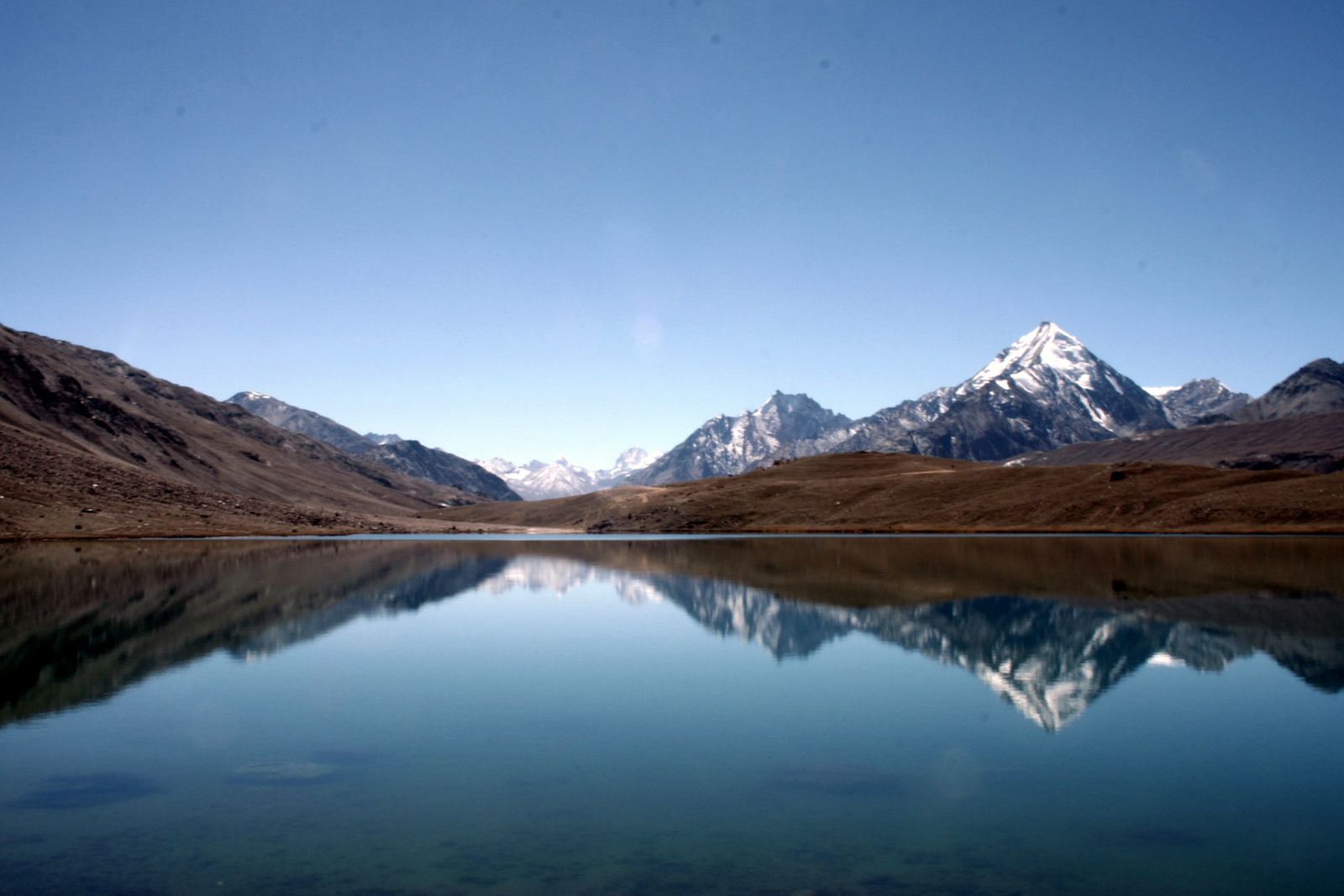
Batal → Kunzum La → Losar (2–3 hours). The climb over Kunzum at roughly 4,551 m, then the descent into Spiti proper. Chandratal branches off near Batal; if that lake is on your list, read the Manali to Chandratal trip guide before committing, because the detour adds a full half-day.
Losar → Kaza (about 2 hours). Comparatively civilised. You are in the rain shadow now, and the driving eases.
Should you take the Kinnaur route instead?
For most travellers in monsoon, yes.
The Shimla–Kinnaur approach to Spiti is longer — roughly 450 km and typically split across two days — but it is open far more of the year and gains altitude gradually, which matters more than people expect. Kaza sits above 3,800 m. Arriving there in a single hard day from Manali means climbing more than 2,500 m without a night at intermediate altitude, and acute mountain sickness is a genuine risk on that profile.
Our Shimla to Kaza route guide covers that gateway in detail, including the landslide-prone Nigulsari and Wangtu sections that need their own respect.
A practical way to think about it:
- Peak monsoon (July to mid-September): enter via Kinnaur, exit via Manali only if Kunzum is confirmed open on the day
- Late June and late September to October: the Manali side is at its best — clear, dry, and dramatic
- November to May: Kunzum is closed; Kinnaur is the only road access
Practical planning notes
Start early. Leave Manali by 5 a.m. Water crossings are lower, and you keep daylight in hand if the road holds you up.
Do not plan a same-day return. Manali to Kaza and back in one day is not a realistic itinerary. Budget a night in Kaza at minimum, and ideally two so you acclimatise before pushing to Key Monastery, Langza or Chicham.
Permits. Indian nationals do not need a permit for the Manali–Kaza road itself. The Atal Tunnel is free to cross, but Lahaul entry and Rohtang have their own requirements — the Rohtang Pass and Atal Tunnel permit guide sets out what applies where.
Fuel. Fill up in Manali. The next dependable pump is at Kaza.
Connectivity. Expect no mobile signal between Gramphu and Losar. Tell someone your plan before you leave.
Vehicle and driver. This is not a route to learn on. A driver who has done the Gramphu–Batal crossings before is worth more than a newer car. If you are planning a multi-day Spiti circuit rather than a point-to-point drop, an hourly or full-day rental that keeps the same vehicle and driver with you usually works better than stringing together separate legs. Our safety approach explains what we look for in hill-route drivers.
Frequently asked questions
When does the Manali–Kaza road open each year? Typically late May or June, once BRO completes snow clearance on Kunzum Pass from both sides. The exact date shifts every year with snowfall, and an early opening for 4x4 vehicles does not mean the road is fit for ordinary cars.
When does it close? Usually late October or November, by formal DDMA order rather than gradually. The 2024 closure took effect on 23 November.
Is there a bus from Manali to Kaza? HRTC has historically run a seasonal service through the open months, departing Manali early morning and reaching Kaza in the afternoon, with no advance booking. Treat it as unconfirmed for your date and check with HRTC directly rather than assuming it is running.
Can I drive a hatchback or sedan to Kaza via Kunzum? Not sensibly. The Gramphu–Batal stretch needs ground clearance, and the water crossings can strand a low car for hours. Via Kinnaur, a sedan is workable.
How high is Kaza, and will altitude affect me? Kaza sits above 3,800 m. Coming from Manali you gain altitude fast, so plan a light first day, drink more water than feels necessary, and treat headache or breathlessness as a signal to rest rather than push on.
The short recommendation
If you are travelling before late September, plan Spiti through Kinnaur and keep the Manali–Kunzum leg as an exit option you confirm on the morning you need it. If you are travelling in late September or October, the Manali side is the better drive — but still check the district road status page the night before and again at breakfast.
And read the wider monsoon travel guidance before you finalise anything. In Himachal, the trip that survives is the one with a buffer day built into it.
Why this matters
This guide is part of the demand map we are building for Himachal. If the route, activity or idea matters to you, joining the waitlist tells us to prioritize it.
What to do next
Open the related destination or service, preview the travel flow, and support the specific corridor instead of signing up generically.
Reader signal
Reading about Routes helps us understand content demand. Waitlist joins help us understand launch demand.
Want this to become a real Himsafar route?
We are using the website to learn what people actually want us to build. Join the waitlist to show support for this kind of Himachal travel and get first access when matching routes open.
HimSafar Editorial
Destination guides